Sainte-Justine University Hospital Research Center, 3175, Chemin de la Côte-Sainte-Catherine, Montreal, QC, H3T 1C5, Canada.
Département de Pharmacologie et de Physiologie, Faculté de Médecine, Université de Montréal, Montreal, QC, Canada.
Sci Rep. 2023 Sep 30;13(1):16443. doi: 10.1038/s41598-023-43219-2.
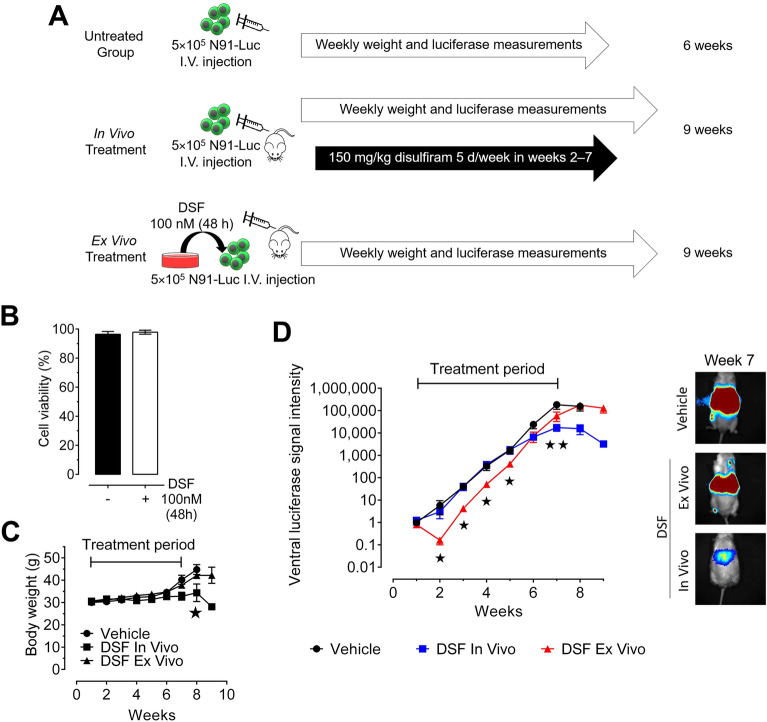
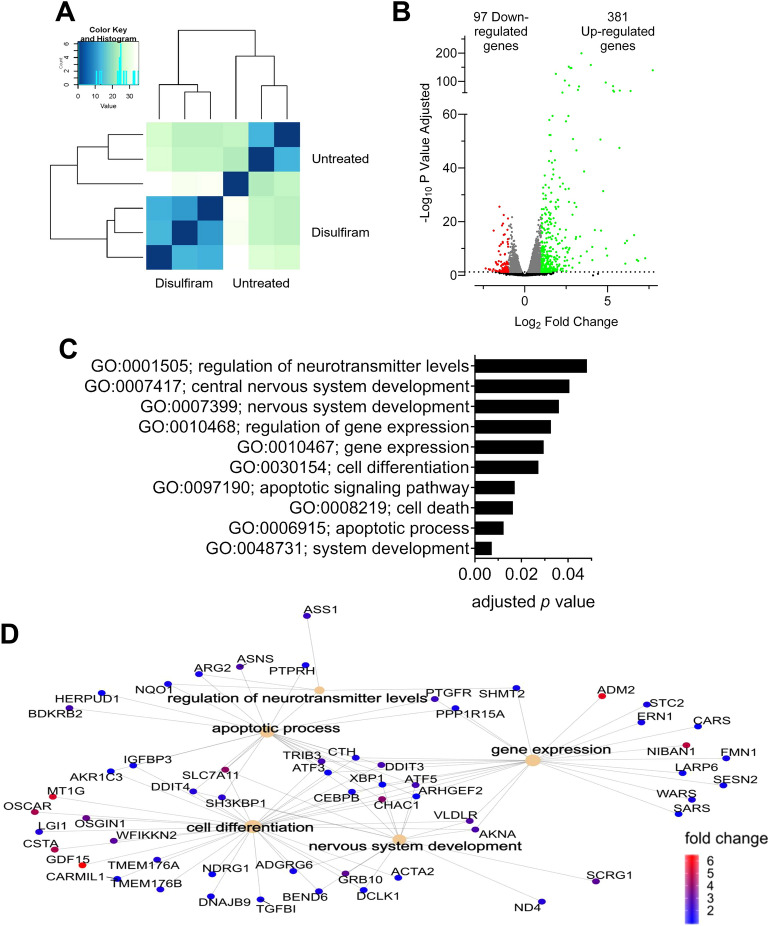
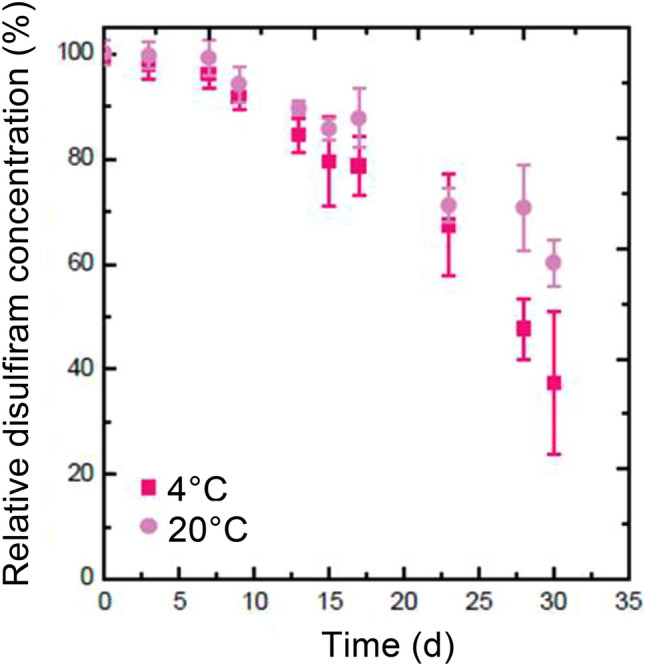
Neuroblastoma, the most common type of pediatric extracranial solid tumor, causes 10% of childhood cancer deaths. Despite intensive multimodal treatment, the outcomes of high-risk neuroblastoma remain poor. We urgently need to develop new therapies with safe long-term toxicity profiles for rapid testing in clinical trials. Drug repurposing is a promising approach to meet these needs. Here, we investigated disulfiram, a safe and successful chronic alcoholism treatment with known anticancer and epigenetic effects. Disulfiram efficiently induced cell cycle arrest and decreased the viability of six human neuroblastoma cell lines at half-maximal inhibitory concentrations up to 20 times lower than its peak clinical plasma level in patients treated for chronic alcoholism. Disulfiram shifted neuroblastoma transcriptome, decreasing MYCN levels and activating neuronal differentiation. Consistently, disulfiram significantly reduced the protein level of lysine acetyltransferase 2A (KAT2A), drastically reducing acetylation of its target residues on histone H3. To investigate disulfiram's anticancer effects in an in vivo model of high-risk neuroblastoma, we developed a disulfiram-loaded emulsion to deliver the highly liposoluble drug. Treatment with the emulsion significantly delayed neuroblastoma progression in mice. These results identify KAT2A as a novel target of disulfiram, which directly impacts neuroblastoma epigenetics and is a promising candidate for repurposing to treat pediatric neuroblastoma.
神经母细胞瘤是最常见的儿童颅外实体瘤,导致 10%的儿童癌症死亡。尽管采用了强化的多模式治疗,高危神经母细胞瘤的治疗效果仍然不佳。我们迫切需要开发具有安全长期毒性特征的新疗法,以便在临床试验中快速测试。药物再利用是满足这些需求的一种有前途的方法。在这里,我们研究了双硫仑,一种安全且成功的慢性酒精中毒治疗方法,具有已知的抗癌和表观遗传作用。双硫仑能有效诱导细胞周期停滞,并降低六种人神经母细胞瘤细胞系的活力,其半数最大抑制浓度比治疗慢性酒精中毒患者的临床血浆峰值低 20 倍。双硫仑改变了神经母细胞瘤的转录组,降低了 MYCN 水平,并激活了神经元分化。一致地,双硫仑显著降低了赖氨酸乙酰转移酶 2A(KAT2A)的蛋白水平,极大地降低了其组蛋白 H3 靶位残基的乙酰化。为了研究双硫仑在高危神经母细胞瘤的体内模型中的抗癌作用,我们开发了一种双硫仑负载乳液来输送高度脂溶性药物。用乳液治疗可显著延缓小鼠神经母细胞瘤的进展。这些结果表明 KAT2A 是双硫仑的一个新靶点,它直接影响神经母细胞瘤的表观遗传学,是重新用于治疗小儿神经母细胞瘤的有前途的候选药物。