Nanjing BenQ Medical Center, The Affiliated BenQ Hospital of Nanjing Medical University, NanjingJiangsu Province, 210019, China.
Department of General Surgery, the First Affiliated Hospital of Nanjing Medical University, 300 Guangzhou Road, Nanjing, 210029, Jiangsu, China.
BMC Med Genomics. 2023 Oct 2;16(1):228. doi: 10.1186/s12920-023-01664-y.
Increasing evidence suggests that the metabolism of lipids plays a crucial role in the progression of gastric cancer. However, the expression of lipid metabolism-related genes (LMGs) still does not serve as a prognostic biomarker in gastric cancer.
We obtained transcriptome data for 751 LMGs and divided STAD patients into two subtypes based on differences in LMGs expression. Then, we analyzed genetic changes in two subtypes as well as immune features to determine their differences. We also constructed a prognostic risk model related to LMGs for individualized comprehensive evaluations.
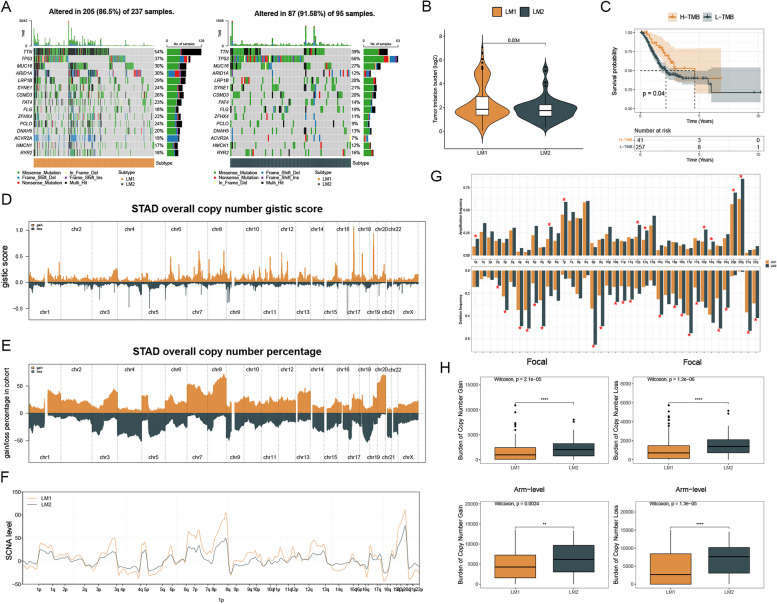
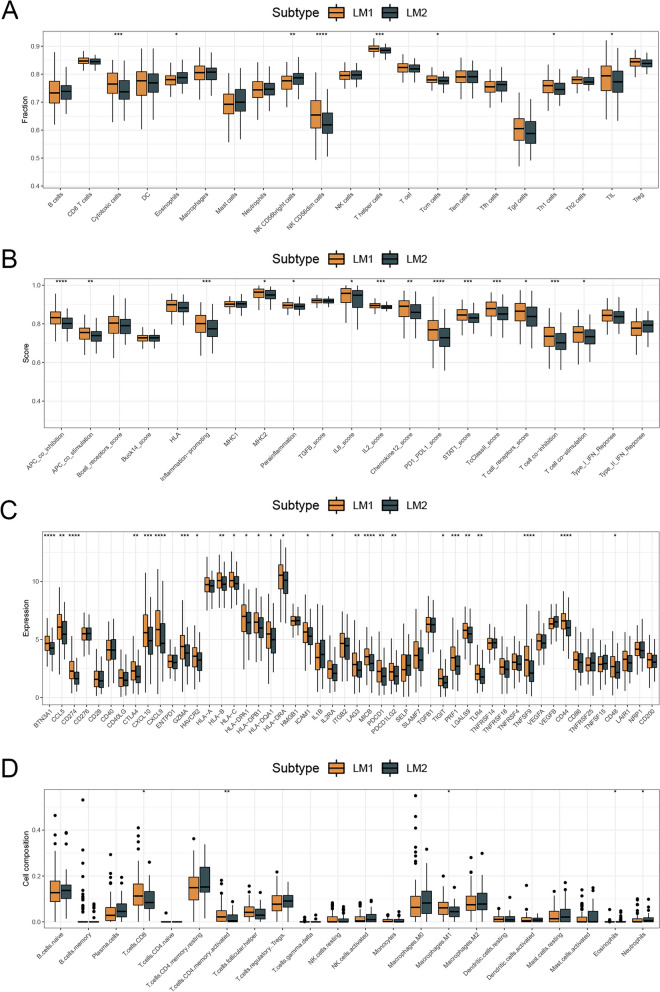
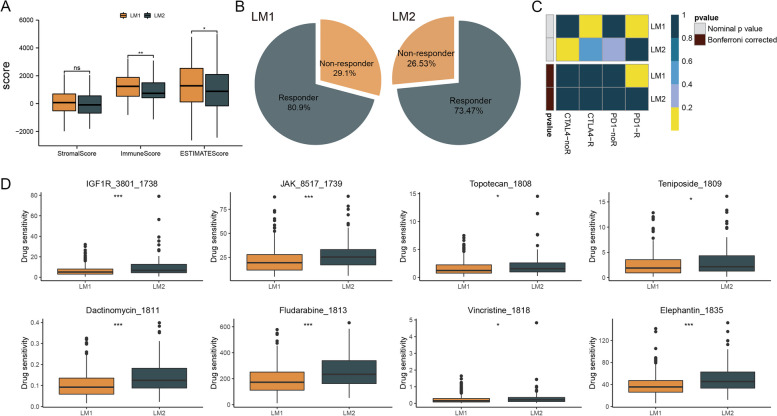
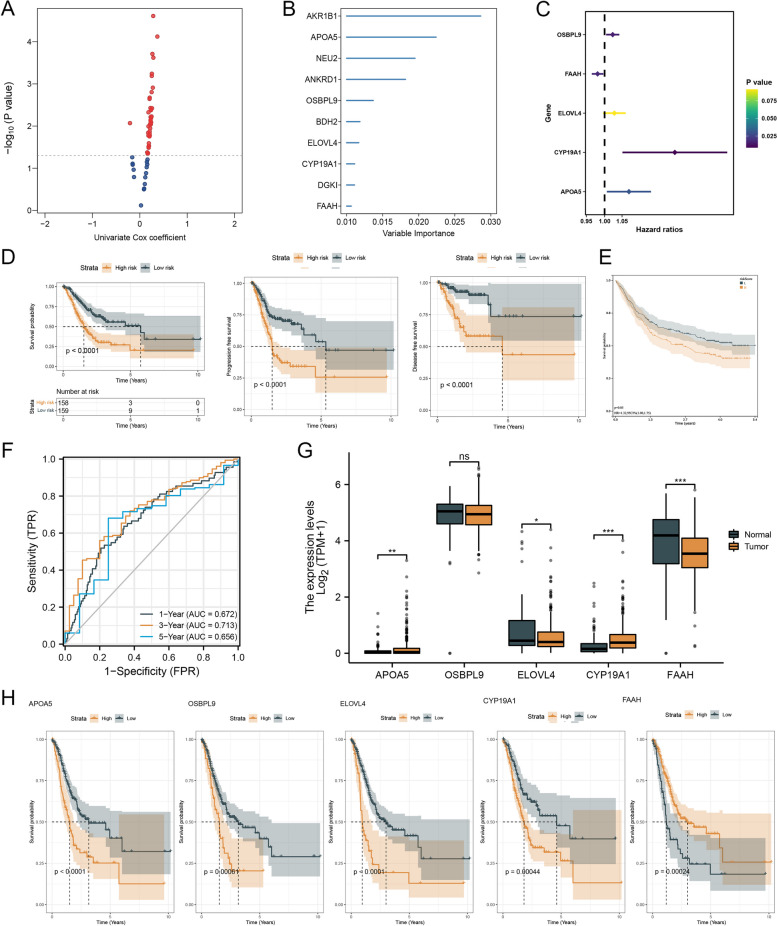
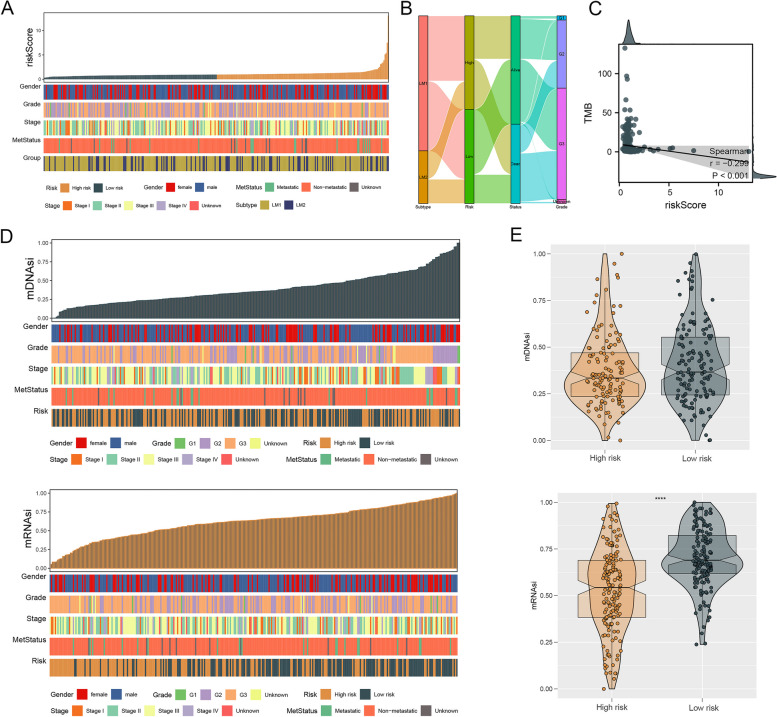
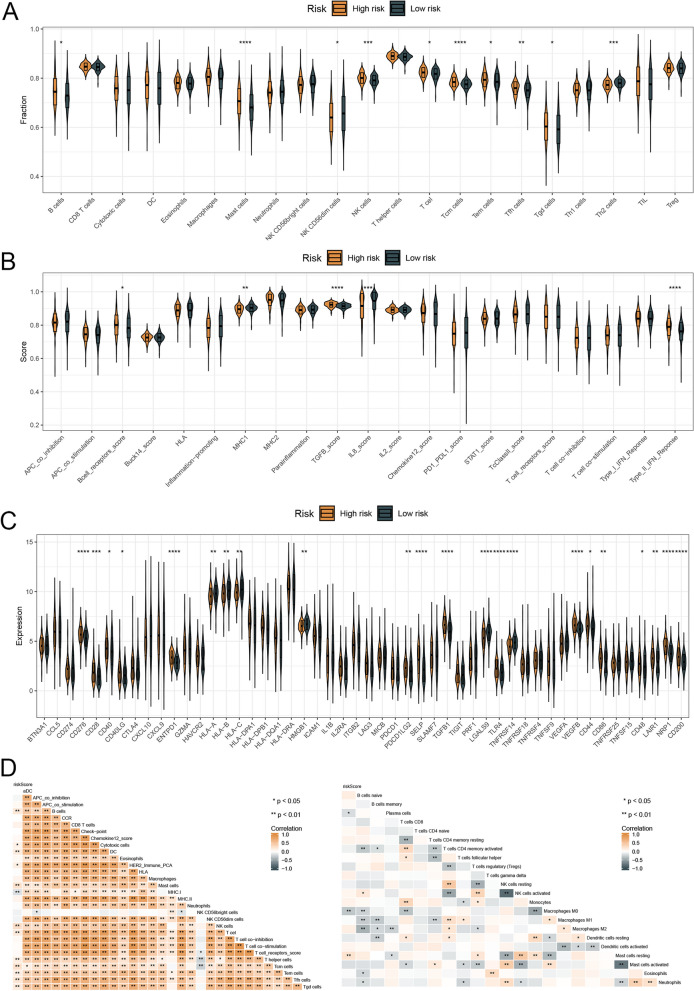
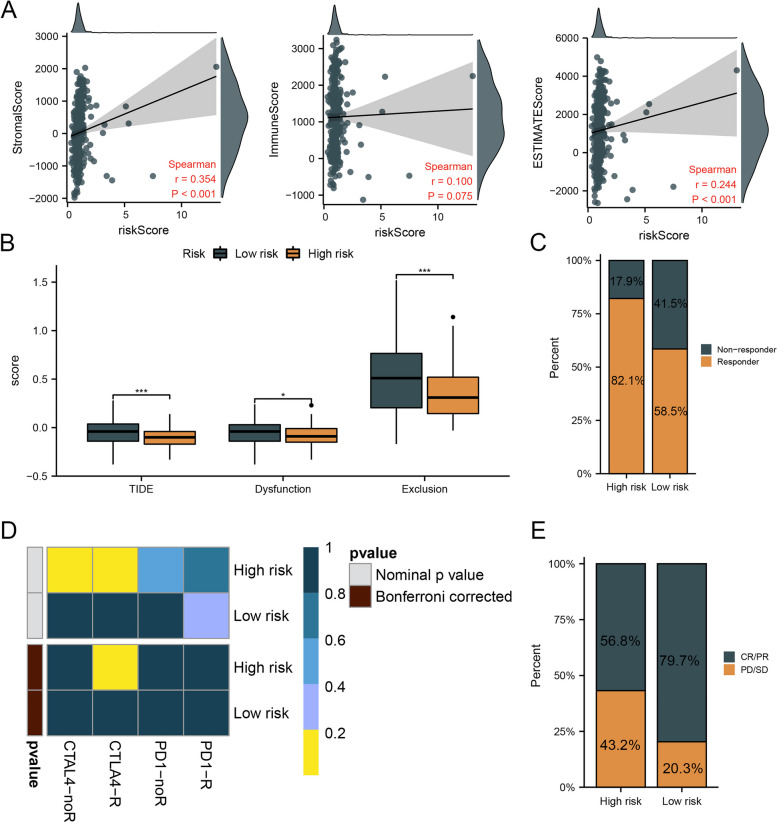
In this study, two lipid metabolic (LM) subtypes were identified anchored in the expression profiles of LMGs. Clinical information, genomic alterations, immune features, and immunotherapy response varied significantly between the two LM subtypes. A risk model based on LMGs was also developed to assess prognosis and distinguish patients with high risk from those at low risk. The prognosis differed significantly between the two risk groups of patients. In STAD patients, the risk score was strongly correlated with genomic alterations and immune profile scores. Also, the risk score was an excellent predictor of immune checkpoint inhibitors (ICIs) response. Anchored in preliminary results derived from the aforementioned bioinformatic analysis, we chose CYP19A1 as our target gene and the expression of CYP19A1 was verified in several common gastric cancer cell lines. Then, we carried out the Western blotting, CCK-8 assay, colony formation assay, wound healing assay, and transwell assay to explore the effects of CYP19A1 on malignant biological behavior, and positive consequences were obtained.
In this study, STAD patients were divided into two subtypes based on LMGs expression. It is possible to assess the prognosis of a patient and the response to immunotherapy using the established prognostic risk model. A series of basic laboratory experiments also verified the functional role of CYP19A1 in gastric cancer.
越来越多的证据表明,脂质代谢在胃癌的进展中起着至关重要的作用。然而,脂质代谢相关基因(LMGs)的表达仍然不能作为胃癌的预后生物标志物。
我们获得了 751 个 LMG 的转录组数据,并根据 LMGs 表达的差异将 STAD 患者分为两个亚型。然后,我们分析了两个亚型的遗传变化和免疫特征,以确定它们的差异。我们还构建了一个与 LMGs 相关的预后风险模型,用于个体综合评估。
在这项研究中,我们确定了两种基于 LMGs 表达谱的脂质代谢(LM)亚型。两种 LM 亚型之间的临床信息、基因组改变、免疫特征和免疫治疗反应有显著差异。我们还建立了一个基于 LMGs 的风险模型,用于评估预后,并区分高风险和低风险患者。两组患者的预后有显著差异。在 STAD 患者中,风险评分与基因组改变和免疫特征评分密切相关。此外,风险评分是免疫检查点抑制剂(ICIs)反应的良好预测因子。基于上述生物信息学分析的初步结果,我们选择 CYP19A1 作为我们的靶基因,并在几种常见的胃癌细胞系中验证了 CYP19A1 的表达。然后,我们进行了 Western blot、CCK-8 检测、集落形成实验、划痕愈合实验和 Transwell 实验,以探讨 CYP19A1 对恶性生物学行为的影响,并取得了阳性结果。
在这项研究中,我们根据 LMGs 的表达将 STAD 患者分为两个亚型。我们可以使用建立的预后风险模型来评估患者的预后和对免疫治疗的反应。一系列基础实验室实验也验证了 CYP19A1 在胃癌中的功能作用。