Department of Hand Surgery, Skåne University Hospital, Malmö, Sweden.
Department of Translational Medicine - Hand Surgery, Lund University, Jan Waldenströms Gata 5, 205 03, Malmö, Sweden.
Trials. 2023 Oct 2;24(1):628. doi: 10.1186/s13063-023-07668-4.
Post-traumatic wrist osteoarthritis (OA) can eventually lead to pain, muscular weakness, and stiffness of the wrist, which can affect the function of the entire upper limb and reduce the quality of life. Although there is strong evidence that all patients with OA should be offered adequate education and exercises as a first-line treatment, an effective self-management program, including structured education and therapeutic exercises, has not yet been introduced for individuals with wrist OA. This trial aims to evaluate the effectiveness of an exercise therapy program with joint protective strategies to improve neuromuscular control (intervention group) compared to a training program with range of motion exercises (control group).
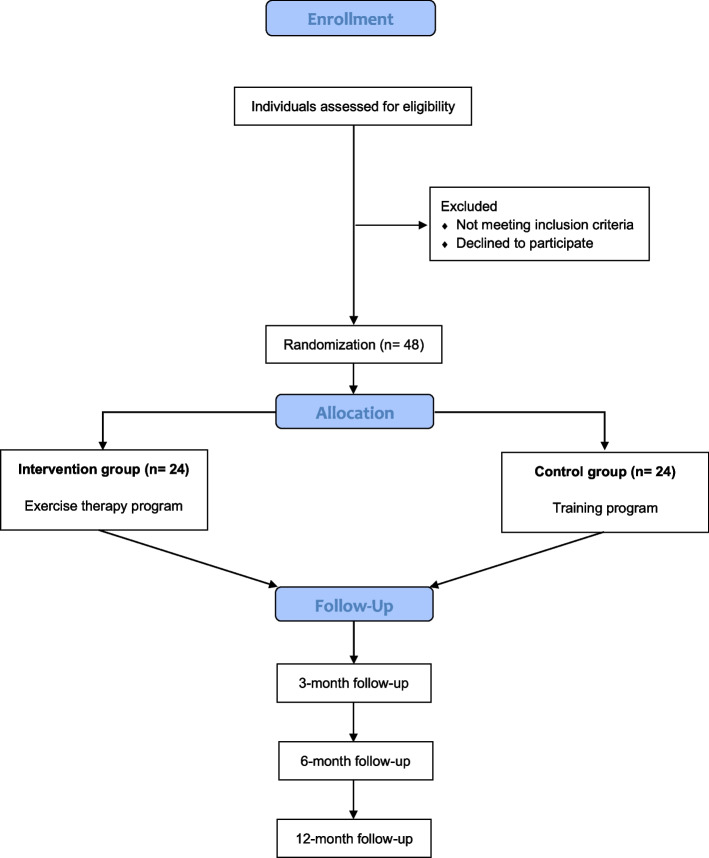
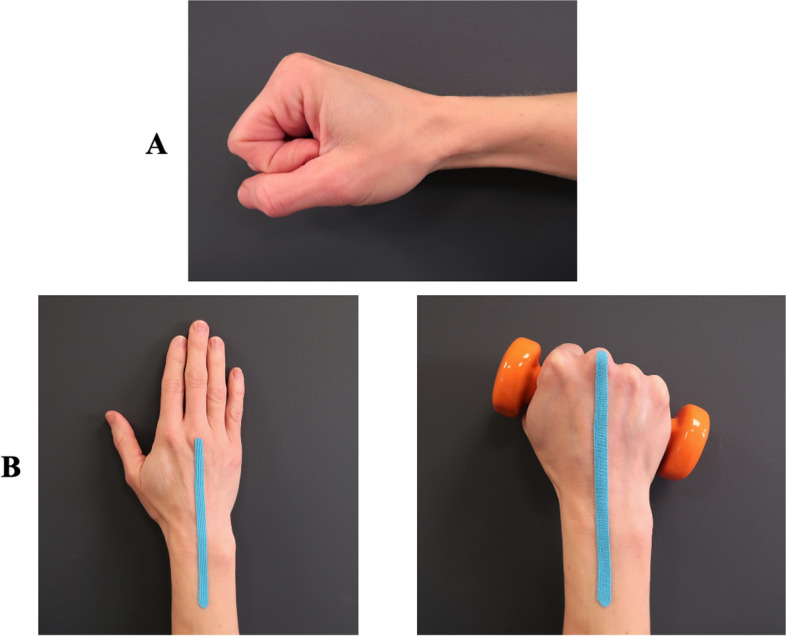
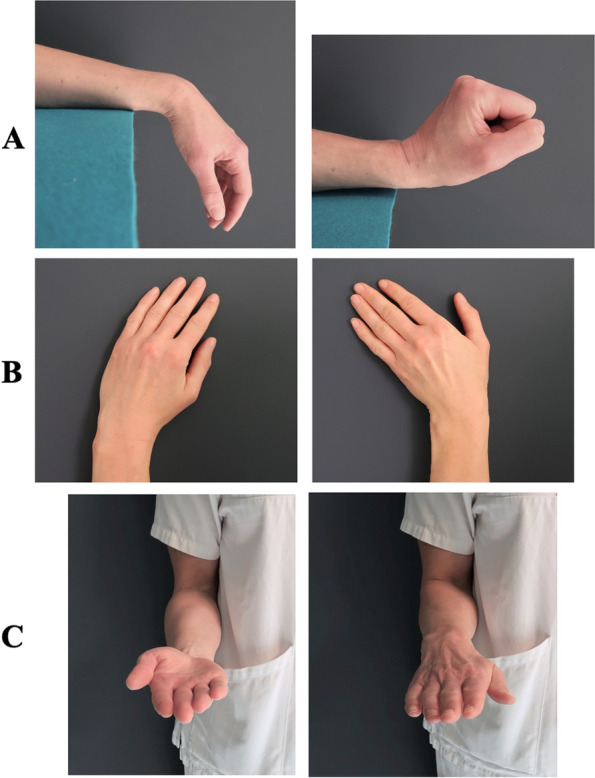
This is a single-blinded randomized controlled trial (RCT) with two treatment arms in patients with symptomatic and radiographically confirmed wrist OA. The trial will be conducted at a hand surgery department. The participants will be randomly assigned either to a neuromuscular exercise therapy program or to a training program with range of motion exercises only. Participants in both groups will receive a wrist orthosis and structured education on wrist anatomy, pathophysiology, and joint protective self-management strategies. The programs consist of home exercises that will be performed twice a day for 12 weeks. The Patient-Rated Wrist Evaluation (PRWE) is the primary outcome measure of pain and function. Wrist range of motion (ROM), grip strength, the Numeric Pain Rating scale (NPRS), Disabilities of the Arm, Shoulder, and Hand (DASH), the General Self-Efficacy Scale (GSES), Global Rating of Change (GROC), and conversion to surgery are the secondary measures of outcome. Assessments will be performed at baseline and at 3, 6, and 12 months after baseline by a blinded assessor.
The upcoming results from this trial may add new knowledge about the effectiveness of a self-managed exercise therapy program on pain and function for individuals with wrist OA. If the present self-management program proves to be effective, it can redefine current treatment strategies and may be implemented in wrist OA treatment protocols.
ClinicalTrials.gov, NCT05367817. Retrospectively registered on 27 April 2022. https://clinicaltrials.gov .
创伤后腕关节炎(OA)最终可导致腕关节疼痛、肌肉无力和僵硬,从而影响整个上肢的功能并降低生活质量。虽然有强有力的证据表明,所有 OA 患者都应首先接受充分的教育和运动作为一线治疗,但尚未为腕 OA 患者引入有效的自我管理计划,包括结构化教育和治疗性运动。本试验旨在评估一种包含关节保护策略的运动疗法方案对改善神经肌肉控制的效果(干预组),与仅进行关节活动度训练的方案(对照组)进行比较。
这是一项在有症状和影像学确诊的腕 OA 患者中进行的、具有两个治疗臂的单盲随机对照试验(RCT)。试验将在手部外科病房进行。参与者将被随机分配到神经肌肉运动疗法方案或仅进行关节活动度训练的方案。两组参与者都将接受腕关节矫形器和有关腕关节解剖、病理生理学和关节保护自我管理策略的结构化教育。这些方案包括每天进行两次、为期 12 周的家庭锻炼。主要结局指标是疼痛和功能的患者报告腕关节评估(PRWE)。次要结局指标包括腕关节活动度(ROM)、握力、数字疼痛评分量表(NPRS)、手臂、肩部和手的残疾(DASH)、一般自我效能感量表(GSES)、总体变化评级(GROC)和手术转化率。评估将由盲法评估者在基线时以及基线后 3、6 和 12 个月进行。
本试验的即将结果可能会增加有关腕 OA 患者自我管理运动疗法方案对疼痛和功能的有效性的新知识。如果本项自我管理方案被证明有效,它可以重新定义当前的治疗策略,并可能被纳入腕 OA 治疗方案中。
ClinicalTrials.gov,NCT05367817。于 2022 年 4 月 27 日回顾性注册。[URL] 。