Pathobiology and Population Sciences, The Royal Veterinary College, Hatfield, Herts, United Kingdom.
Department of Statistical Science, University College London, London, United Kingdom.
PLoS One. 2023 Oct 4;18(10):e0291057. doi: 10.1371/journal.pone.0291057. eCollection 2023.
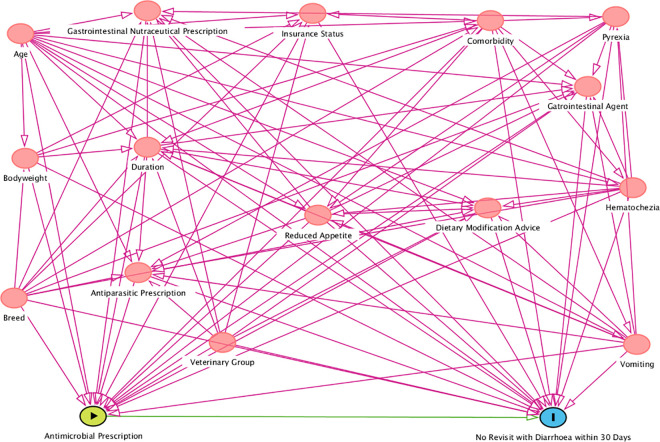
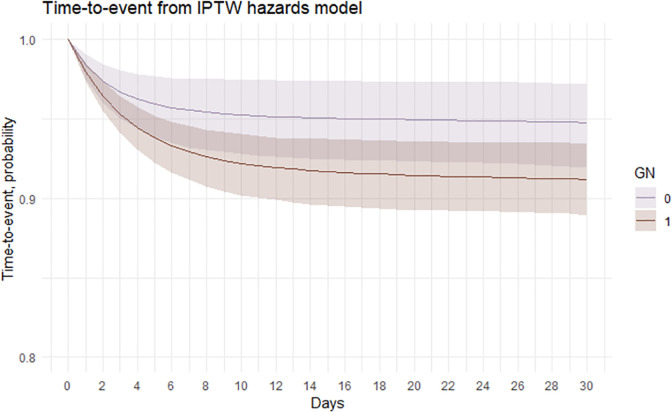
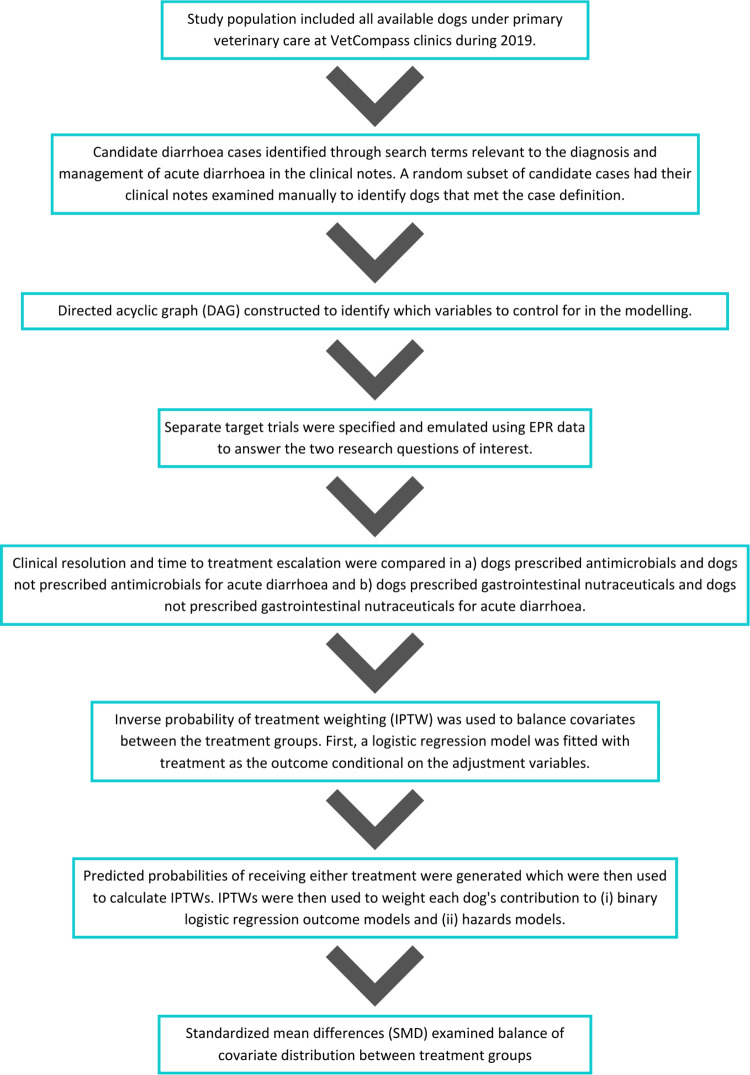
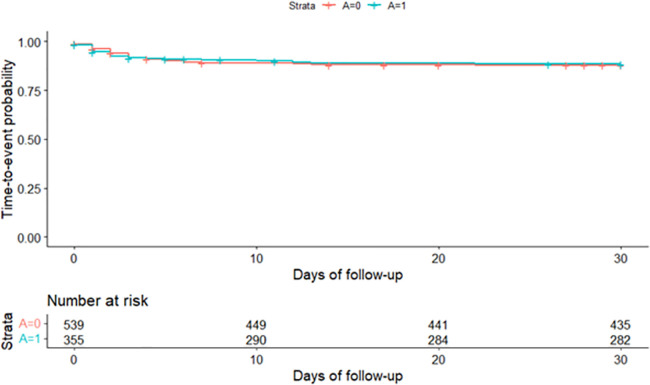
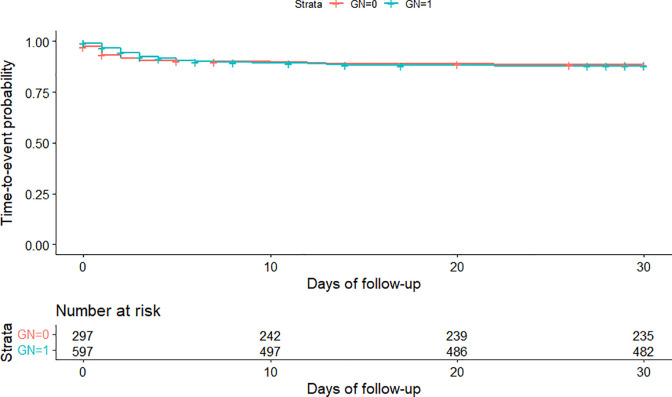
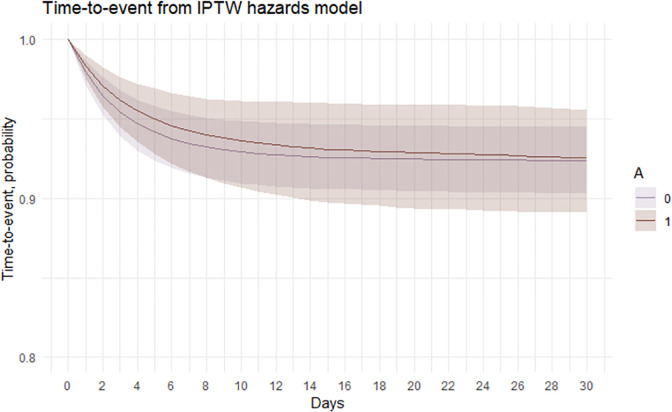
Target trial emulation applies design principles from randomised controlled trials to the analysis of observational data for causal inference and is increasingly used within human epidemiology. Veterinary electronic clinical records represent a potentially valuable source of information to estimate real-world causal effects for companion animal species. This study employed the target trial framework to evaluate the usefulness on veterinary observational data. Acute diarrhoea in dogs was used as a clinical exemplar. Inclusion required dogs aged ≥ 3 months and < 10 years, presenting for veterinary primary care with acute diarrhoea during 2019. Treatment strategies were: 1. antimicrobial prescription compared to no antimicrobial prescription and 2. gastrointestinal nutraceutical prescription compared to no gastrointestinal nutraceutical prescription. The primary outcome was clinical resolution (defined as no revisit with ongoing diarrhoea within 30 days from the date of first presentation). Informed from a directed acyclic graph, data on the following covariates were collected: age, breed, bodyweight, insurance status, comorbidities, vomiting, reduced appetite, haematochezia, pyrexia, duration, additional treatment prescription and veterinary group. Inverse probability of treatment weighting was used to balance covariates between the treatment groups for each of the two target trials. The risk difference (RD) of 0.4% (95% CI -4.5% to 5.3%) was non-significant for clinical resolution in dogs treated with antimicrobials compared with dogs not treated with antimicrobials. The risk difference (RD) of 0.3% (95% CI -4.5% to 5.0%) was non-significant for clinical resolution in dogs treated with gastrointestinal nutraceuticals compared with dogs not treated with gastrointestinal nutraceuticals. This study successfully applied the target trial framework to veterinary observational data. The findings show that antimicrobial or gastrointestinal prescription at first presentation of acute diarrhoea in dogs causes no difference in clinical resolution. The findings support the recommendation for veterinary professionals to limit antimicrobial use for acute diarrhoea in dogs.
目标试验模拟将随机对照试验的设计原则应用于观察性数据的分析,以进行因果推断,并且在人类流行病学中越来越多地使用。兽医电子临床记录代表了一种有价值的信息来源,可以估计伴侣动物物种的真实世界因果效应。本研究采用目标试验框架来评估兽医观察性数据的有用性。犬急性腹泻被用作临床范例。纳入标准为年龄≥3 个月且<10 岁的犬,在 2019 年兽医初级保健中因急性腹泻就诊。治疗策略为:1. 与不使用抗生素相比,使用抗生素处方和 2. 与不使用胃肠道营养补充剂相比,使用胃肠道营养补充剂处方。主要结局是临床缓解(定义为首次就诊后 30 天内无持续腹泻的复诊)。根据有向无环图,收集了以下协变量的数据:年龄、品种、体重、保险状况、合并症、呕吐、食欲减退、血便、发热、持续时间、额外治疗处方和兽医组。使用逆概率治疗加权来平衡每个目标试验中治疗组之间的协变量。与未使用抗生素治疗的犬相比,使用抗生素治疗的犬的临床缓解风险差异(RD)为 0.4%(95%CI-4.5%至 5.3%),无统计学意义。与未使用胃肠道营养补充剂治疗的犬相比,使用胃肠道营养补充剂治疗的犬的临床缓解风险差异(RD)为 0.3%(95%CI-4.5%至 5.0%),无统计学意义。本研究成功地将目标试验框架应用于兽医观察性数据。研究结果表明,犬急性腹泻初诊时使用抗生素或胃肠道处方不会导致临床缓解的差异。这些发现支持兽医专业人员限制犬急性腹泻使用抗生素的建议。