Ehsasatvatan Maryam, Kohnehrouz Bahram Baghban
Department of Plant Breeding & Biotechnology, Faculty of Agriculture, University of Tabriz, Tabriz, 51666, Iran.
J Biol Eng. 2023 Oct 5;17(1):63. doi: 10.1186/s13036-023-00383-3.
The high cost of fermentation, purification, cold storage and transportation, short shelf life, and sterile delivery methods of biopharmaceuticals, is a matter for producers and consumers as well. Since the FDA has now approved plant cells for large-scale, cost-effective biopharmaceutical production, the isolation and lyophilization of transplastomic chloroplasts can cover concerns about limitations. DARPins are engineered small single-domain proteins that have been selected to bind to HER2 with high affinity and specificity. HER2 is an oncogene involved in abnormal cell growth in some cancers and the target molecule for cancer immunotherapy.
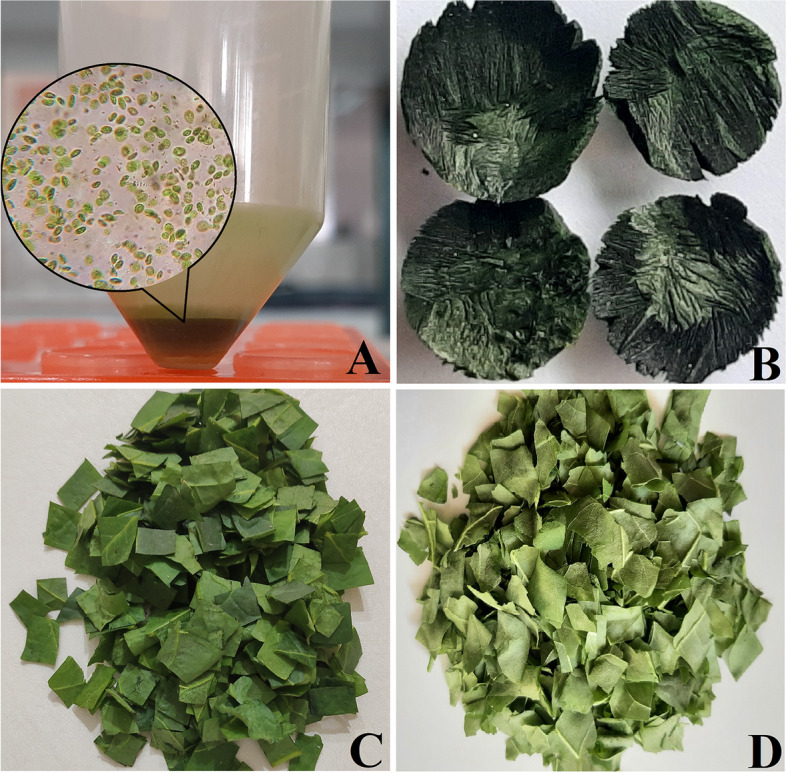
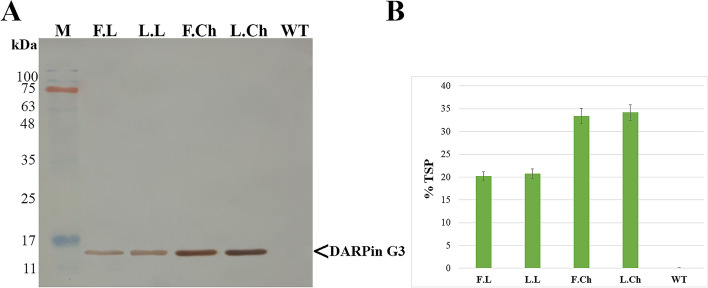
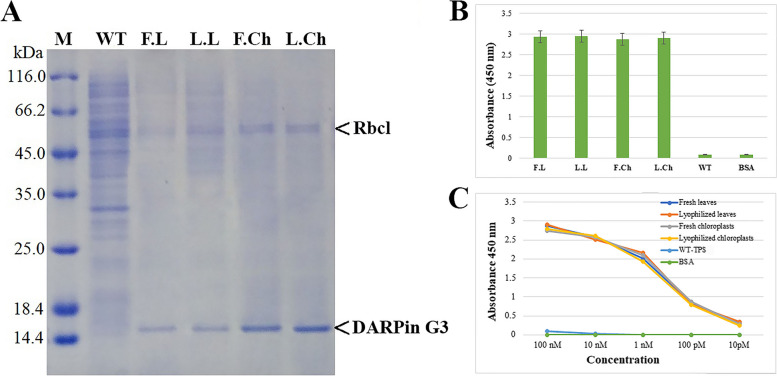
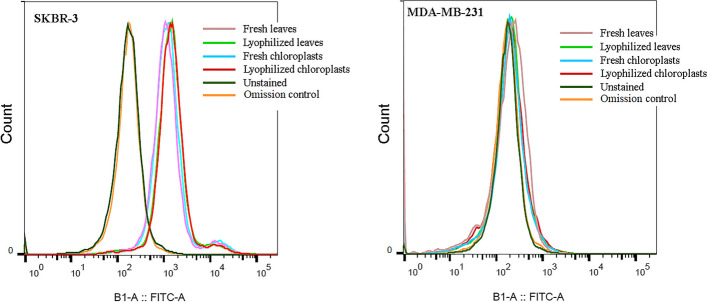
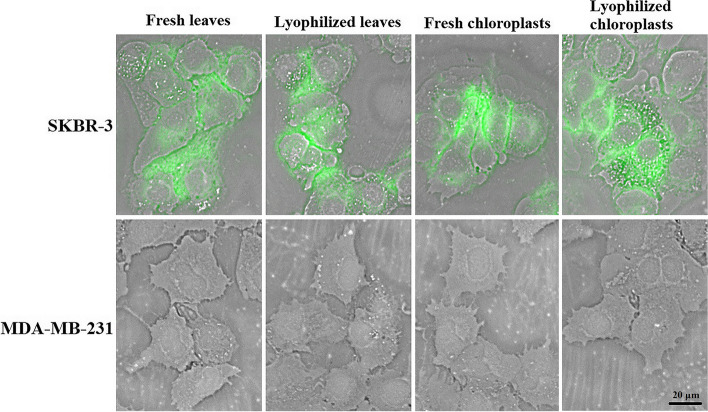
In this study, we reported the prolonged stability and functionality of DARPin G3 in lyophilized transplastomic tobacco leaves and chloroplasts. Western blot analysis of lyophilized leaves and chloroplasts stored at room temperature for up to nine months showed that the DARPin G3 protein was stable and preserved proper folding. Lyophilization of leaves and isolated chloroplasts increased DARPin G3 protein concentrations by 16 and 32-fold, respectively. The HER2-binding assay demonstrated that the chloroplast-made DARPin G3 can maintain its stability and binding activity without any affinity drop in lyophilized leaf materials throughout this study for more than nine months at room temperature.
Lyophilization of chloroplasts expressing DARPin G3 would further reduce costs and simplify downstream processing, purification, and storage. Compressed packages of lyophilized chloroplasts were much more effective than lyophilized transplastomic leaves considering occupied space and downstream extraction and purification of DARPin G3 after nine months. These methods facilitate any relevant formulation practices for these compounds to meet any demand-oriented needs.
生物制药的发酵、纯化、冷藏和运输成本高昂,保质期短,且需要无菌递送方法,这对生产者和消费者来说都是个问题。由于美国食品药品监督管理局(FDA)现已批准植物细胞用于大规模、具有成本效益的生物制药生产,转质体叶绿体的分离和冻干可以解决相关限制问题。设计锚蛋白(DARPins)是经过工程改造的小单域蛋白,已被筛选出能以高亲和力和特异性与HER2结合。HER2是一种致癌基因,参与某些癌症的异常细胞生长,也是癌症免疫治疗的靶分子。
在本研究中,我们报告了设计锚蛋白G3(DARPin G3)在冻干的转质体烟草叶片和叶绿体中的稳定性和功能得以延长。对在室温下储存长达九个月的冻干叶片和叶绿体进行的蛋白质免疫印迹分析表明,DARPin G3蛋白稳定且保持了正确的折叠。叶片和分离叶绿体的冻干分别使DARPin G3蛋白浓度提高了16倍和32倍。HER2结合试验表明,在本研究中,叶绿体生产的DARPin G3在室温下超过九个月的冻干叶片材料中可保持其稳定性和结合活性,且亲和力无任何下降。
表达DARPin G3的叶绿体冻干将进一步降低成本,并简化下游加工、纯化和储存。考虑到九个月后DARPin G3的占用空间以及下游提取和纯化,冻干叶绿体的压缩包装比冻干的转质体叶片更有效。这些方法有助于对这些化合物进行任何相关的制剂操作,以满足任何面向需求的要求。