Joseph Benjamin, Shah Hitesh, Perry Daniel C
Kasturba Medical College, Manipal, India.
University of Liverpool, Liverpool, UK.
J Child Orthop. 2023 Sep 25;17(5):385-403. doi: 10.1177/18632521231203009. eCollection 2023 Oct.
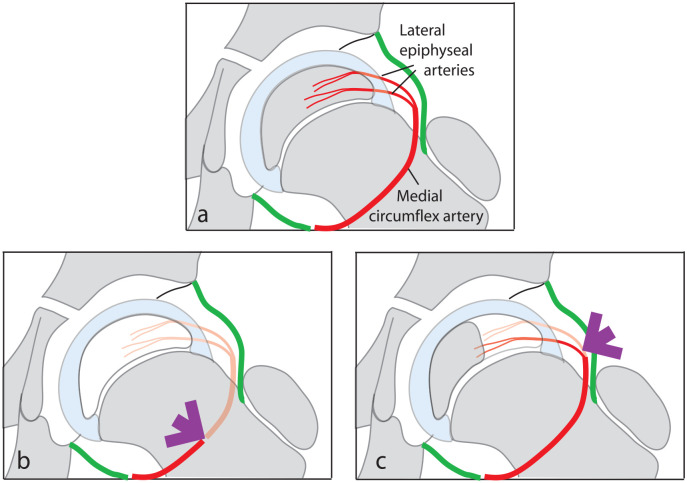
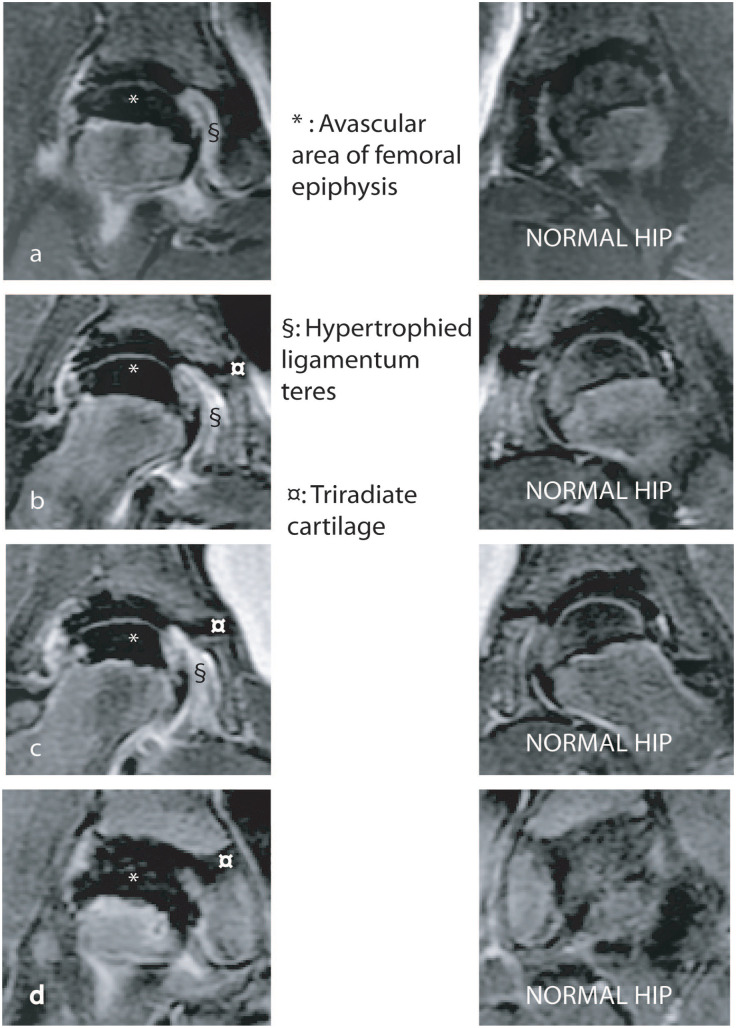
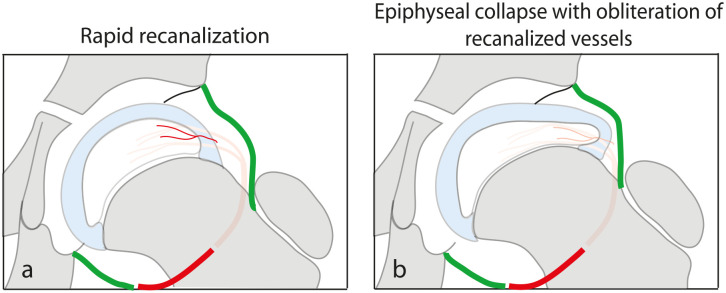
Legg-Calvé-Perthes disease is a self-limiting disorder that develops in children following interruption of the blood supply to the capital femoral epiphysis. This review outlines the current knowledge on the epidemiology, natural evolution, clinical spectrum, and management of the disease.
The literature pertaining to these aspects of the disease were studied and summarized in this review.
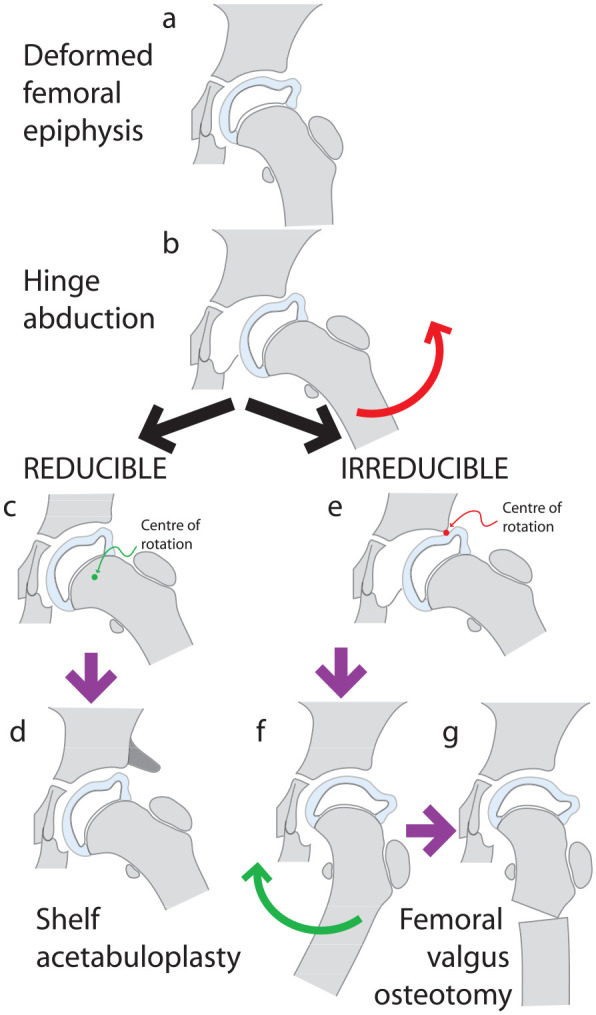
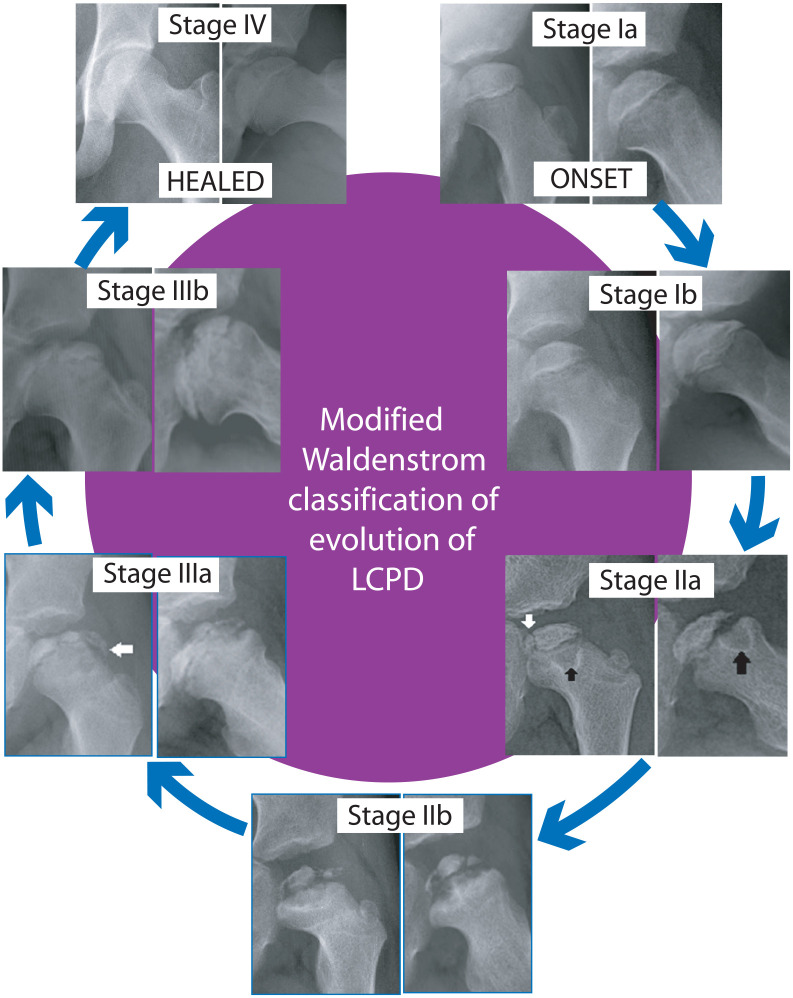
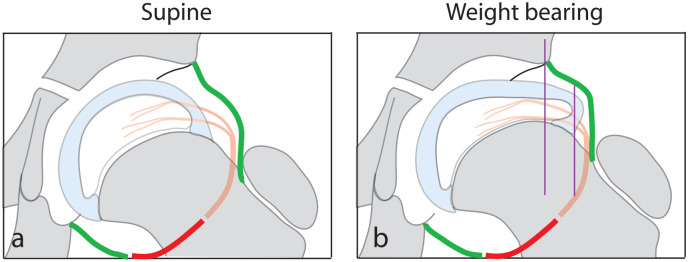
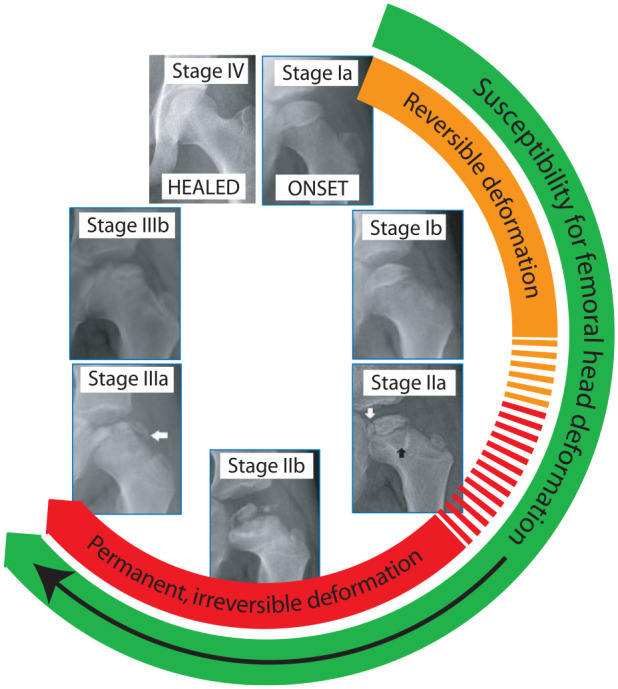
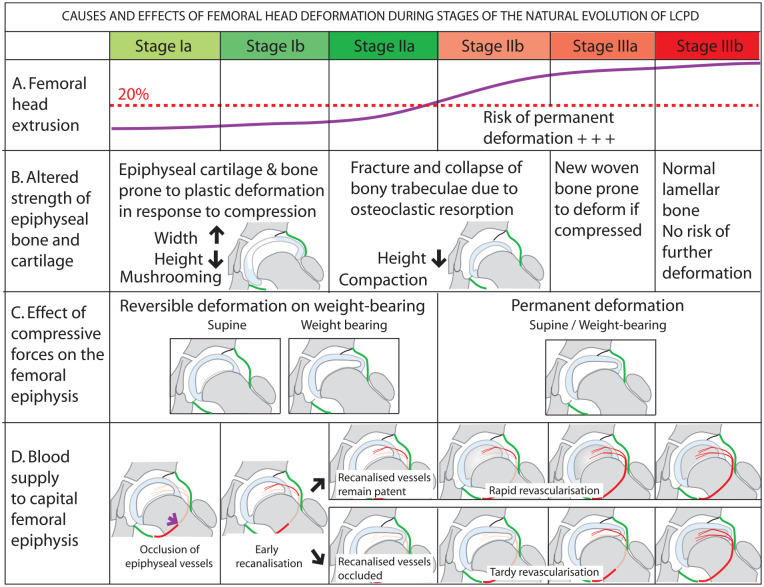
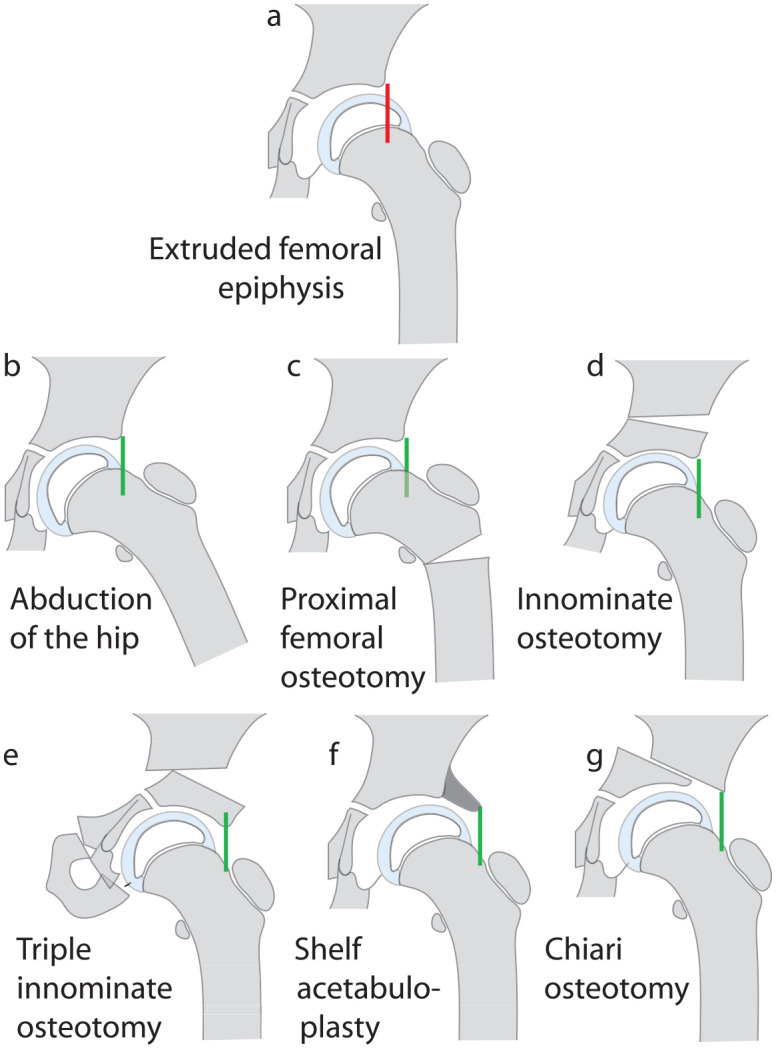
Epidemiological studies suggest that environmental factors contribute to the causation of the disease. Incidence rates monitored over time indicate that the incidence of Legg-Calvé-Perthes disease is declining. The natural evolution followed on sequential plain radiographs enables division of the disease into Stages Ia, Ib, IIa, IIb, IIIa, IIIb, and IV. Reversible deformation of the capital occurs in Stages Ia-IIa simply on standing while irreversible deformation may occur in Stages IIb and IIIa. Treatment of Legg-Calvé-Perthes disease in Stages Ia-IIa aims to prevent the femoral head from getting deformed by containment and avoidance of weight-bearing. In Stages IIb and IIIa, treatment aims to remedy the effects of early irreversible deformation of the femoral head. In Stage IIIb and IV, treatment is directed to correcting the altered shape of the femoral head. The impression that these treatment methods are helpful is based on poor quality evidence.
There is an urgent need to undertake Level I studies to establish the efficacy of currently treatment.
level V.
Legg-Calvé-Perthes病是一种自限性疾病,发生于儿童股骨头骨骺血供中断后。本综述概述了关于该病的流行病学、自然演变、临床谱及治疗的现有知识。
本综述对与该病这些方面相关的文献进行了研究和总结。
流行病学研究表明环境因素与该病的病因有关。长期监测的发病率表明Legg-Calvé-Perthes病的发病率正在下降。通过连续的X线平片观察到的自然演变过程可将该病分为Ia期、Ib期、IIa期、IIb期、IIIa期、IIIb期和IV期。在Ia-IIa期,股骨头的可逆性变形仅在站立时发生,而在IIb期和IIIa期可能发生不可逆性变形。Legg-Calvé-Perthes病Ia-IIa期的治疗旨在通过包容和避免负重来防止股骨头变形。在IIb期和IIIa期,治疗旨在纠正股骨头早期不可逆变形的影响。在IIIb期和IV期,治疗旨在矫正股骨头改变的形状。这些治疗方法有效的观点基于质量较差的证据。
迫切需要开展I级研究以确定当前治疗方法的疗效。
V级。