Sahu Nilanchala, Madan Swati, Walia Ramanpreet, Tyagi Rama, Fantoukh Omer I, Hawwal Mohammed F, Akhtar Ali, Almarabi Ibrahim, Alam Perwez, Saxena Shikha
Amity Institute of Pharmacy, Amity University, Noida, Uttar Pradesh 201303, India.
Department of Pharmacognosy, College of Pharmacy, P.O. Box 2457, King Saud University, Riyadh 11451, Saudi Arabia.
Saudi Pharm J. 2023 Nov;31(11):101788. doi: 10.1016/j.jsps.2023.101788. Epub 2023 Sep 16.
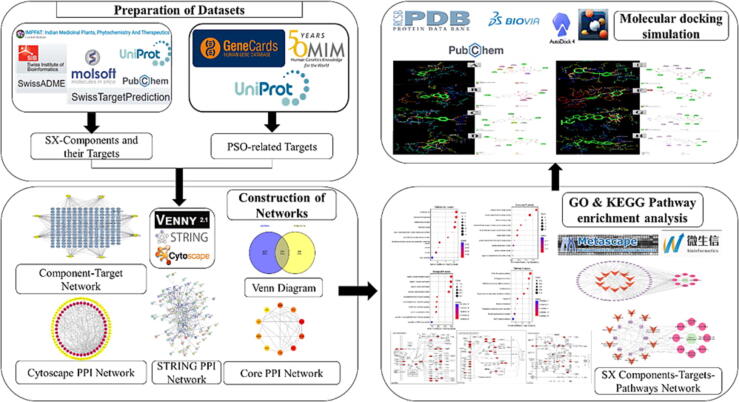
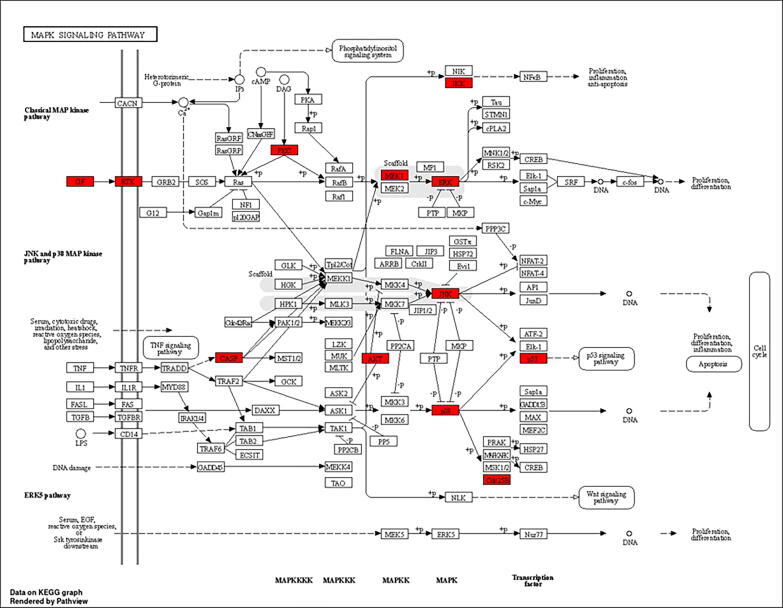
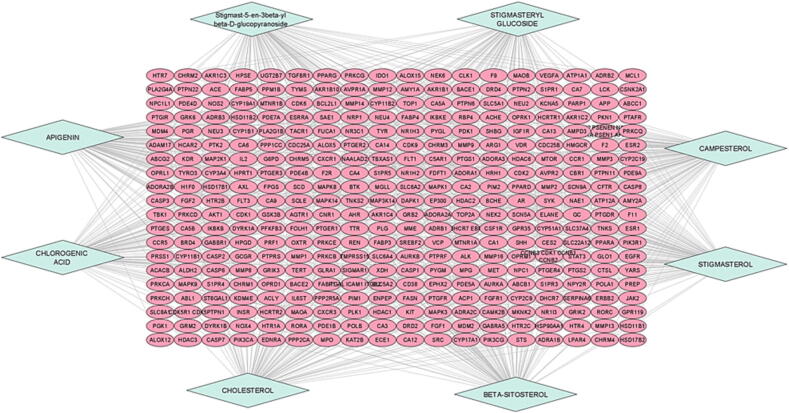
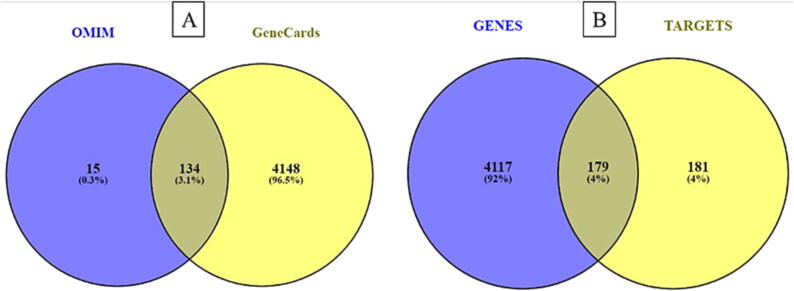
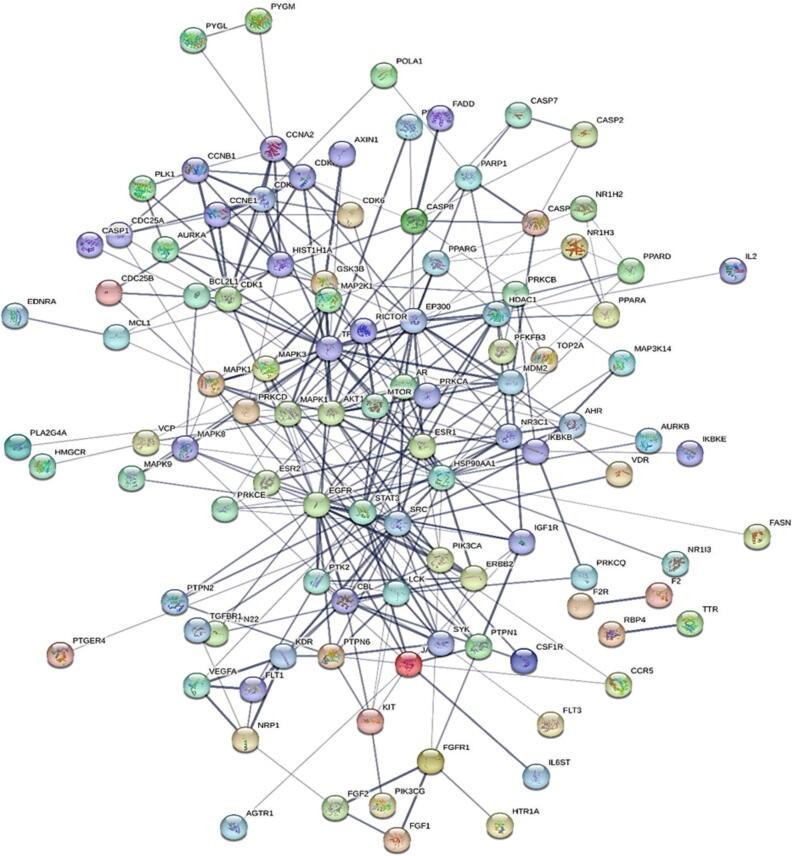
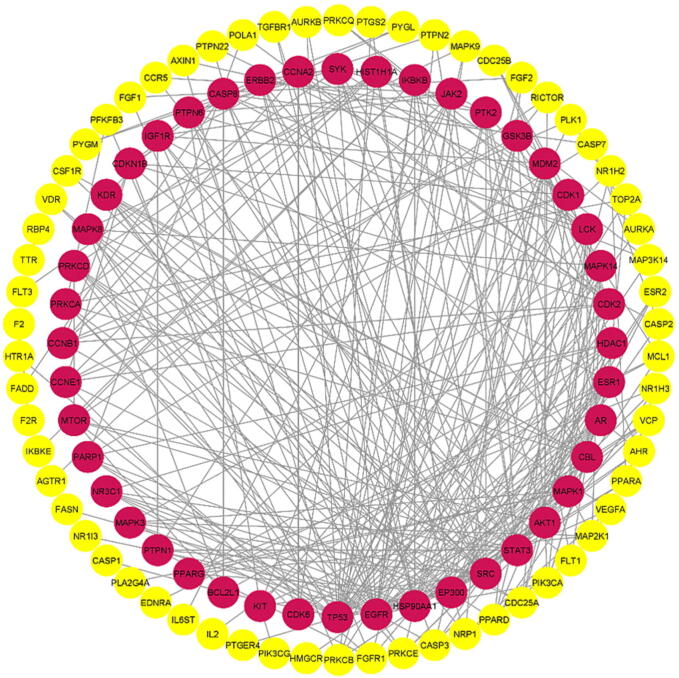
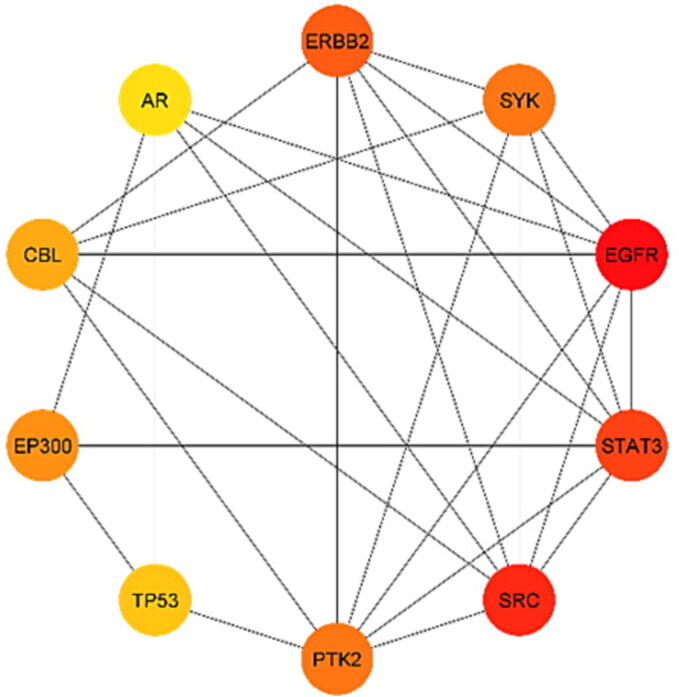
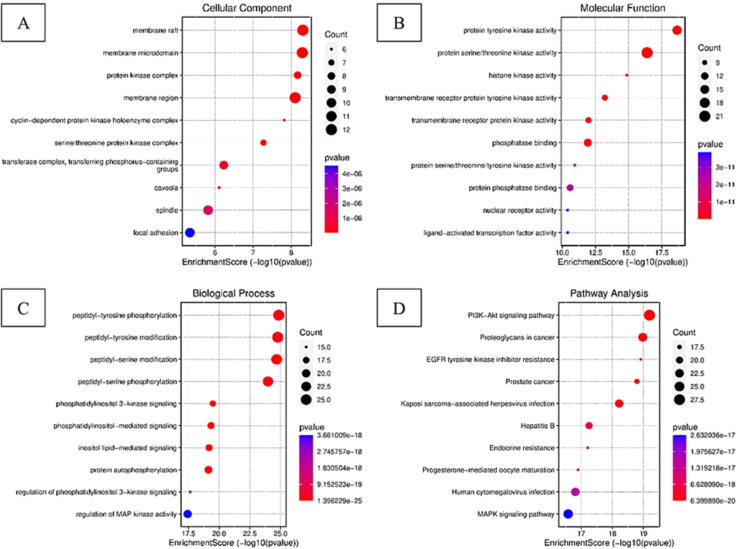
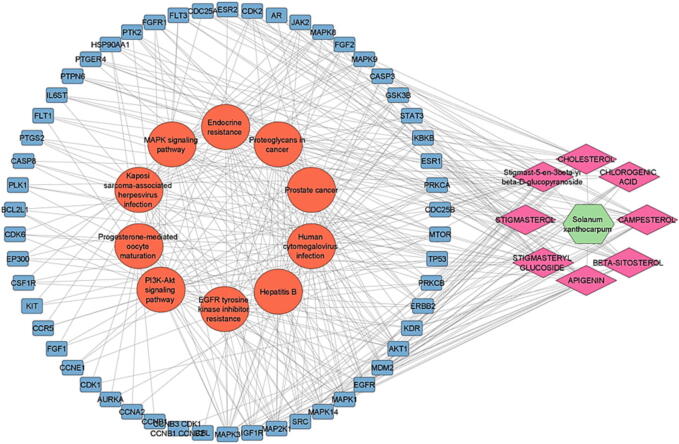
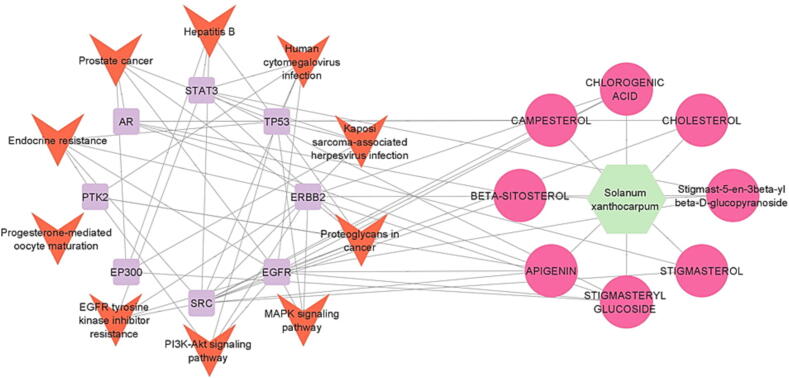
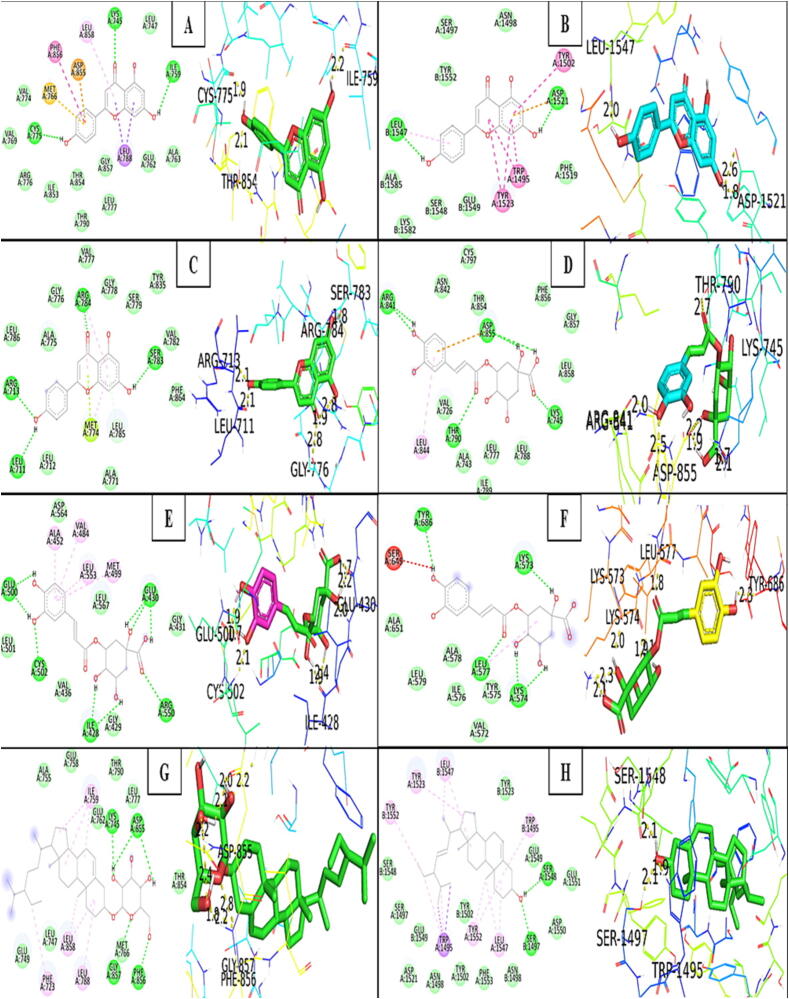
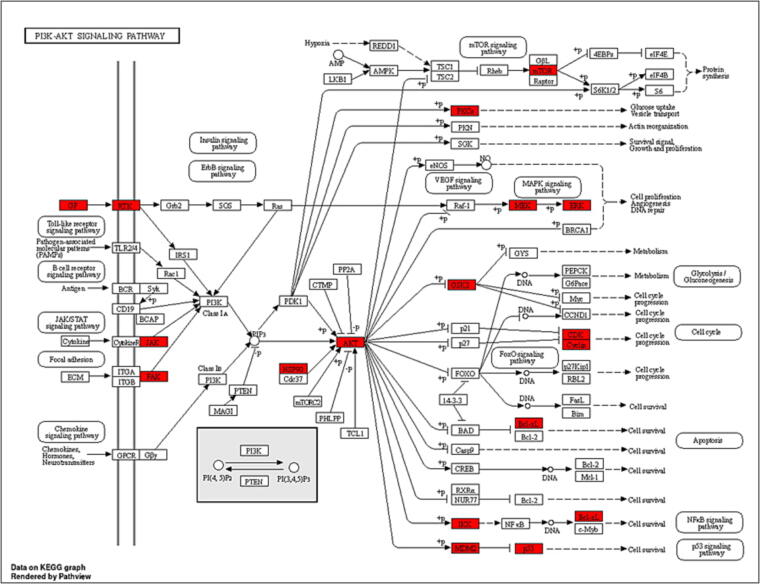
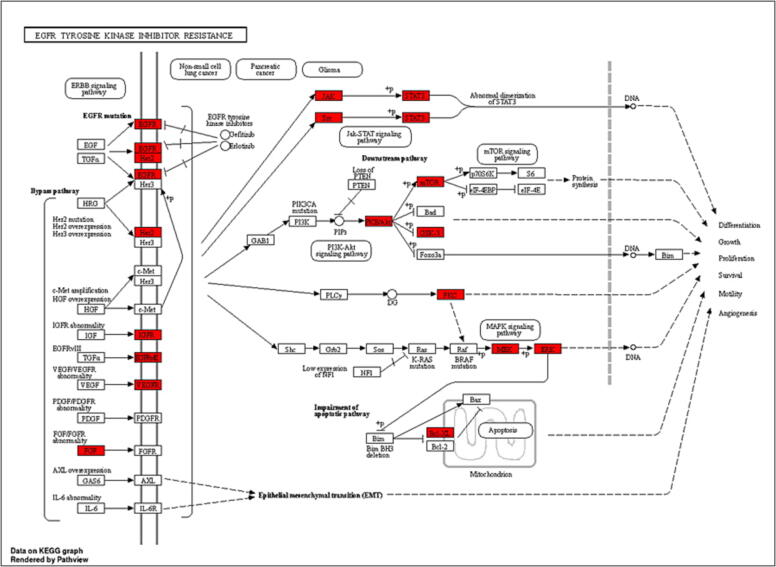
(SX) has been used to treat a variety of diseases, including skin disorders like psoriasis (PSO). SX possesses many pharmacological activities of anti-inflammatory, anti-cancer, immunosuppressive, and healing qualities. However, the multi-target mechanism of SX on PSO still needs clarity. The Indian Medicinal Plants, Phytochemicals and Therapeutics (IMPPAT) database and the Swiss Target Prediction online tool were used to find the active phytochemical components and their associated target proteins. OMIM and GeneCards databases were used to extract PSO-related targets. A Venn diagram analysis determined the common targets of SX against PSO. Subsequently, the protein-protein interaction (PPI) network and core PPI target analysis were carried out using the STRING network and Cytoscape software. Also, utilising the online Metascape and bioinformatics platform tool, a pathway enrichment analysis of common targets using the Kyoto Encyclopaedia of Genes and Genome (KEGG) and Gene Ontology (GO) databases was conducted to verify the role of targets in biological processes, cellular components and molecular functions with respect to KEGG pathways. Lastly, molecular docking simulations were performed to validate the strong affinity between components of SX and key target receptors. According to the IMPPAT Database information, 8 active SX against PSO components were active. According to the PPI network and core targets study, the main targets against PSO were EGFR, SRC, STAT3, ERBB2, PTK2, SYK, EP300, CBL, TP53, and AR. Moreover, molecular docking simulations verified the binding interaction of phytochemical SX components with their PSO targets. Last but not least, enrichment analysis showed that SX is involved in several biological processes, including peptidyl-tyrosine phosphorylation, peptidyl-tyrosine modification, and peptidyl-serine modification. The relevant KEGG signalling pathways are the PI3K-AKT signalling pathway, the EGFR tyrosine kinase inhibitor resistance pathway, and the MAPK signalling pathway. The network pharmacology technique, which is based on data interpretation and molecular docking simulation techniques, has proven the multi-target function of SX phytoconstituents.
(SX)已被用于治疗多种疾病,包括银屑病(PSO)等皮肤疾病。SX具有许多抗炎、抗癌、免疫抑制和愈合等药理活性。然而,SX对PSO的多靶点作用机制仍需明确。利用印度药用植物、植物化学物质和治疗方法(IMPPAT)数据库以及瑞士目标预测在线工具来查找活性植物化学成分及其相关的靶蛋白。使用OMIM和GeneCards数据库提取与PSO相关的靶点。通过维恩图分析确定SX针对PSO的共同靶点。随后,使用STRING网络和Cytoscape软件进行蛋白质-蛋白质相互作用(PPI)网络和核心PPI靶点分析。此外,利用在线Metascape和生物信息学平台工具,使用京都基因与基因组百科全书(KEGG)和基因本体论(GO)数据库对共同靶点进行通路富集分析,以验证靶点在KEGG通路相关的生物过程、细胞成分和分子功能中的作用。最后,进行分子对接模拟以验证SX成分与关键靶受体之间的强亲和力。根据IMPPAT数据库信息,有8种针对PSO的活性SX成分具有活性。根据PPI网络和核心靶点研究,针对PSO的主要靶点为表皮生长因子受体(EGFR)、原癌基因酪氨酸蛋白激酶(SRC)、信号转导和转录激活因子3(STAT3)、表皮生长因子受体2(ERBB2)、蛋白酪氨酸激酶2(PTK2)、脾酪氨酸激酶(SYK)、E1A结合蛋白p300(EP300)、CBL原癌基因(CBL)、肿瘤蛋白p53(TP53)和雄激素受体(AR)。此外,分子对接模拟验证了植物化学SX成分与其PSO靶点的结合相互作用。最后但同样重要的是,富集分析表明SX参与了多个生物过程,包括肽基酪氨酸磷酸化、肽基酪氨酸修饰和肽基丝氨酸修饰。相关的KEGG信号通路为磷脂酰肌醇-3激酶-蛋白激酶B(PI3K-AKT)信号通路、EGFR酪氨酸激酶抑制剂抗性通路和丝裂原活化蛋白激酶(MAPK)信号通路。基于数据解读和分子对接模拟技术的网络药理学技术已经证明了SX植物成分的多靶点功能。