Li Hui-Fang, Zhang Jin-Xia, Chen Wen-Jun
Department of Gynecology, Tongxiang Maternal and Child Health-Care Center, Tongxiang, Zhejiang, 314500, PR China.
Hangzhou Medical College, Hangzhou, Zhejiang, 311399, China.
Heliyon. 2023 Sep 29;9(10):e20498. doi: 10.1016/j.heliyon.2023.e20498. eCollection 2023 Oct.
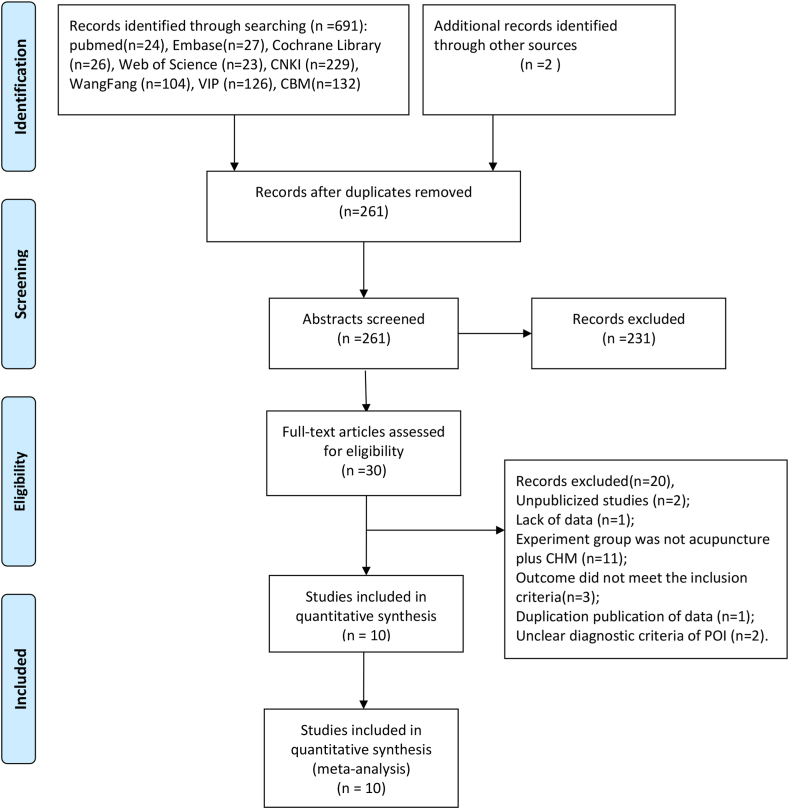
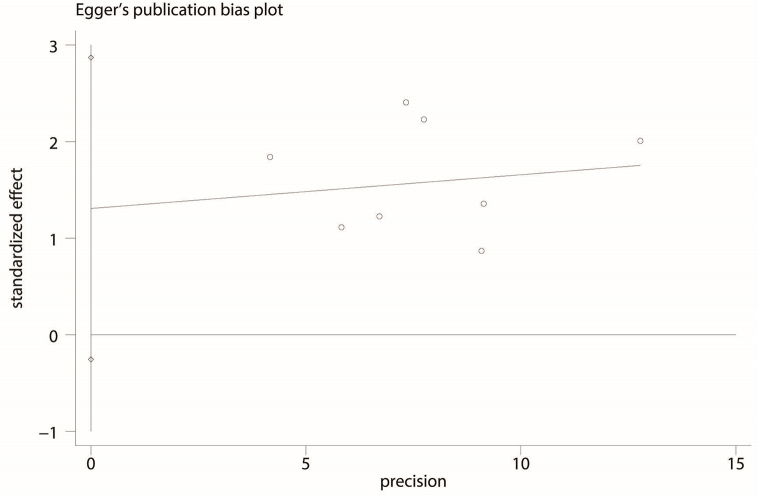
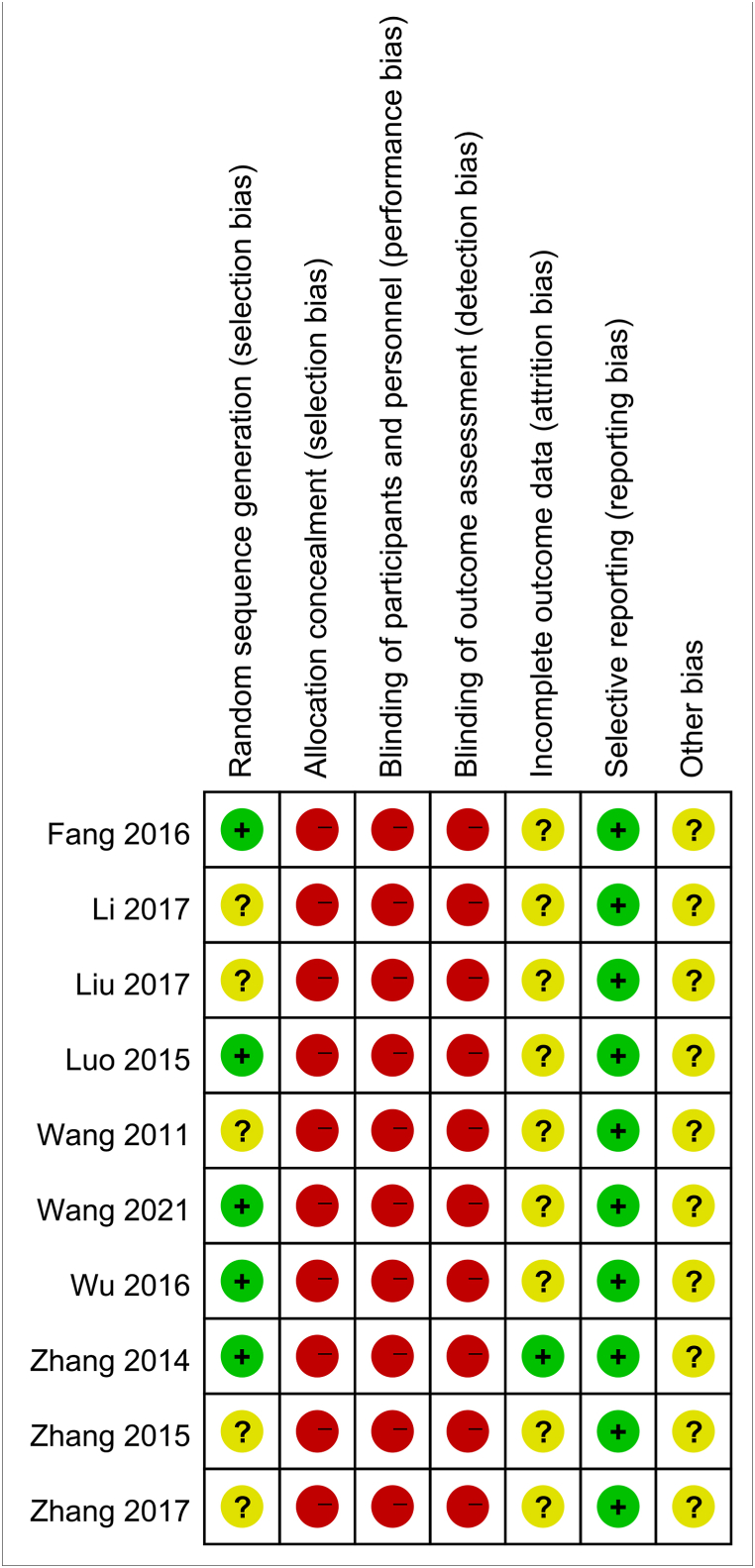
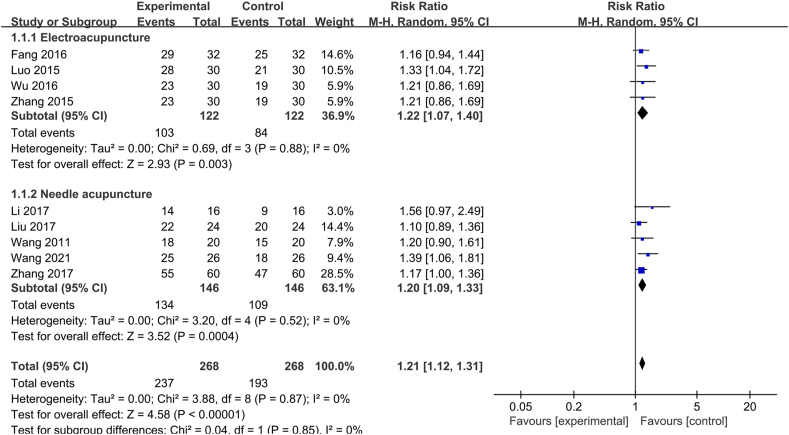
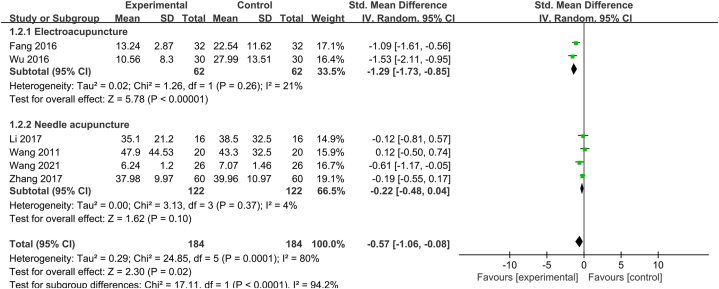
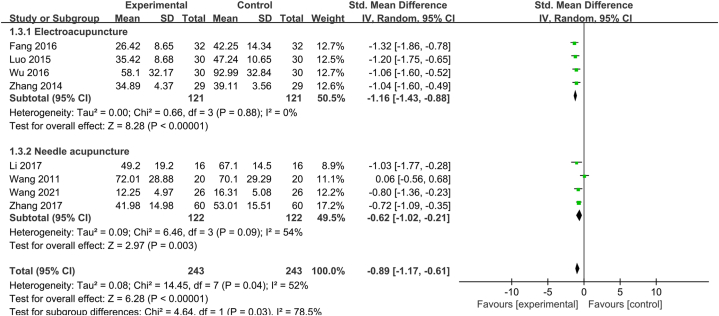
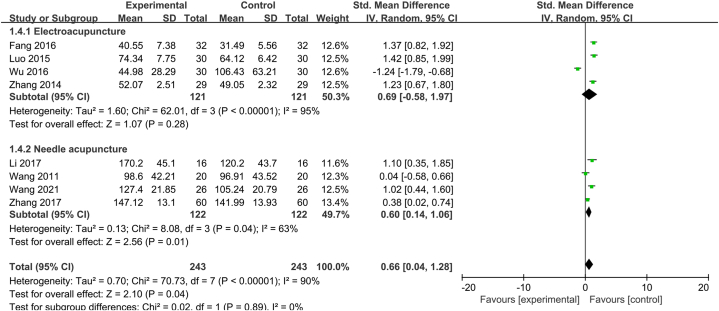
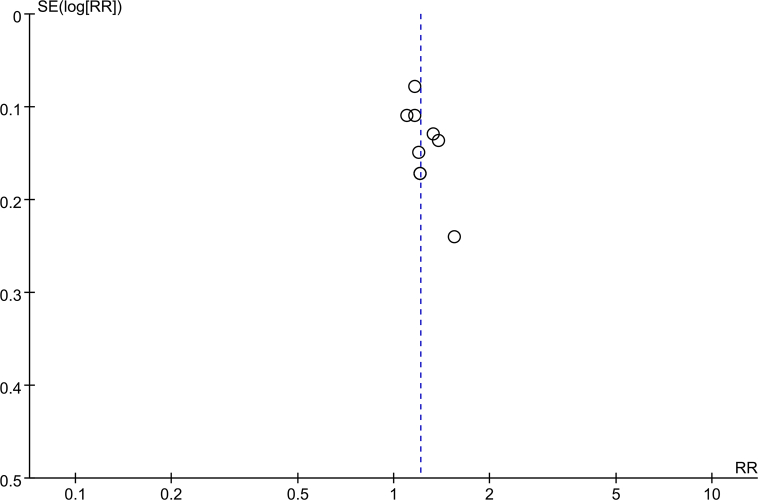
Premature ovarian insufficiency is a multi-factor gynecological disease that has become a major global health problem. In recent years, several trials have explored the treatment of premature ovarian insufficiency using Chinese herbal medicine and acupuncture, but the efficacy and safety of this combination remains controversial. This systematic review and meta-analysis aimed to comprehensively evaluate the efficacy and safety of combining Chinese herbal medicine with acupuncture to treat premature ovarian insufficiency. From eight different databases, we retrieved randomized controlled trials wherein Chinese herbal medicine and acupuncture had been compared with western medicine in the treatment of premature ovarian insufficiency. The bias risk assessment stipulated by the Cochrane Collaboration's tool was utilized to evaluate the quality of the chosen randomized controlled trials. This meta-analysis was executed with the help of Review Manager 5.3 and Stata 10.0. The quality of evidence was assessed using the Grading of Recommendations, Assessment, Development, and Evaluation framework. A total of 10 randomized controlled trials involving 594 premature ovarian insufficiency patients were included in the analysis. Compared with western medicine, co-treatment with acupuncture and Chinese herbal medicine exhibited a significantly higher total effective rate (relative risk: 1.21; 95% confidence interval: 1.12-1.31; < 0.01, = 0%), but lower levels of luteinizing hormone (standardized mean difference: -0.57; 95% confidence interval: -1.06, -0.08; < 0.05, = 80%), follicle-stimulating hormone, and Kupperman index score. Moreover, the combined intervention increased estradiol level in the serum. Overall, the data demonstrate that acupuncture plus Chinese herbal medicine is an efficacious and safe treatment option for POI patients. These findings must be verified by conducting large-scale, multicenter, high-quality, and long-term randomized controlled trials.
卵巢早衰是一种多因素的妇科疾病,已成为全球主要的健康问题。近年来,多项试验探索了使用中药和针灸治疗卵巢早衰,但这种联合治疗的疗效和安全性仍存在争议。本系统评价和荟萃分析旨在全面评估中药与针灸联合治疗卵巢早衰的疗效和安全性。我们从八个不同的数据库中检索了随机对照试验,其中比较了中药和针灸与西药治疗卵巢早衰的效果。采用Cochrane协作工具规定的偏倚风险评估来评价所选随机对照试验的质量。本荟萃分析借助Review Manager 5.3和Stata 10.0进行。使用推荐分级、评估、制定和评价框架评估证据质量。分析共纳入10项随机对照试验,涉及594例卵巢早衰患者。与西药相比,针灸与中药联合治疗的总有效率显著更高(相对风险:1.21;95%置信区间:1.12 - 1.31;<0.01,I² = 0%),但促黄体生成素水平较低(标准化均差:-0.57;95%置信区间:-1.06,-0.08;<0.05,I² = 80%)、促卵泡生成素和库珀曼指数评分也较低。此外,联合干预可提高血清雌二醇水平。总体而言,数据表明针灸加中药是治疗卵巢早衰患者的一种有效且安全的治疗选择。这些发现必须通过进行大规模、多中心、高质量和长期的随机对照试验来验证。