Department of Dermatology, University of California, San Francisco, CA, USA.
Department of Microbiology and Immunology, University of California, San Francisco, CA, USA.
Sci Immunol. 2023 Oct 20;8(88):eabi6887. doi: 10.1126/sciimmunol.abi6887. Epub 2023 Oct 13.
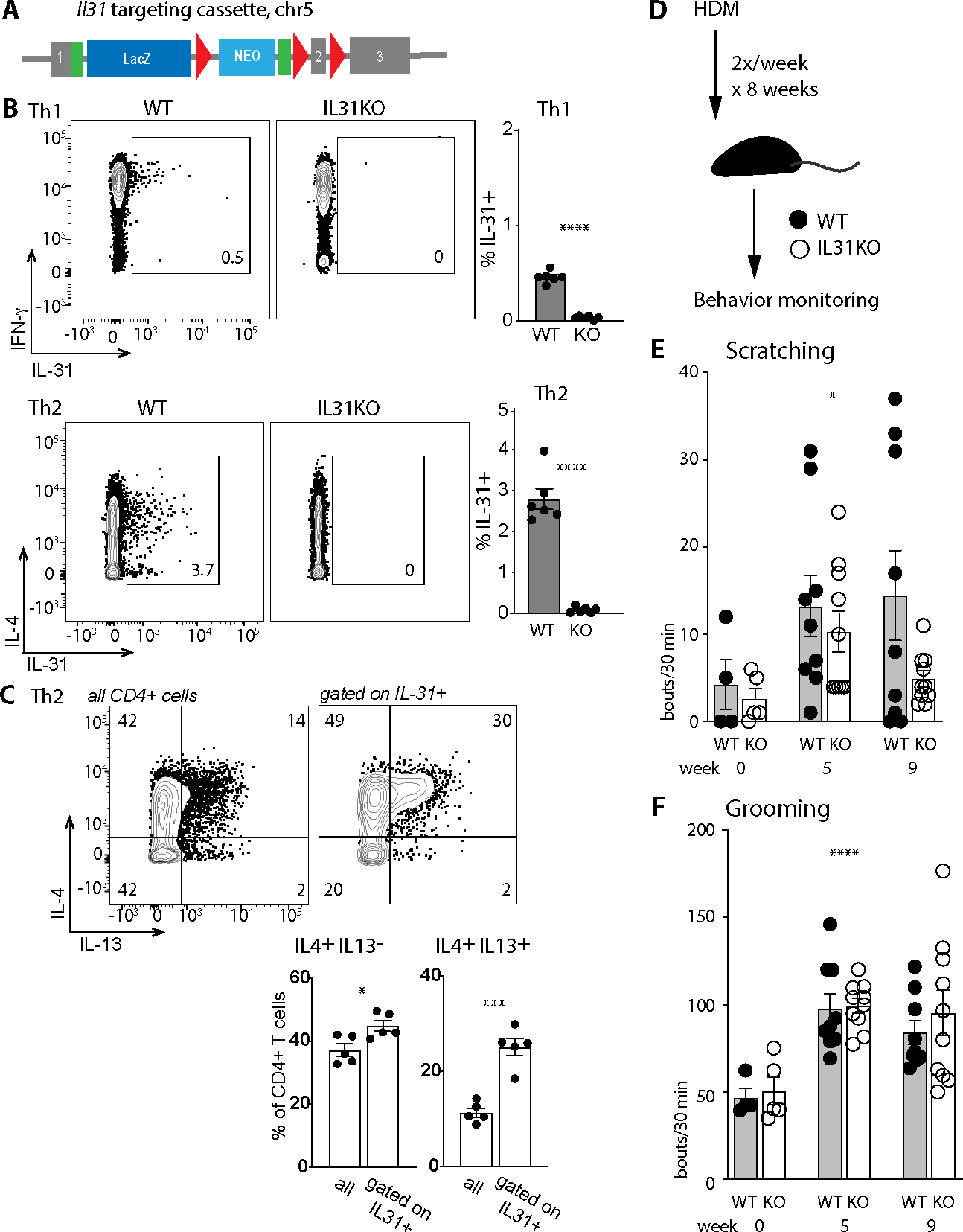
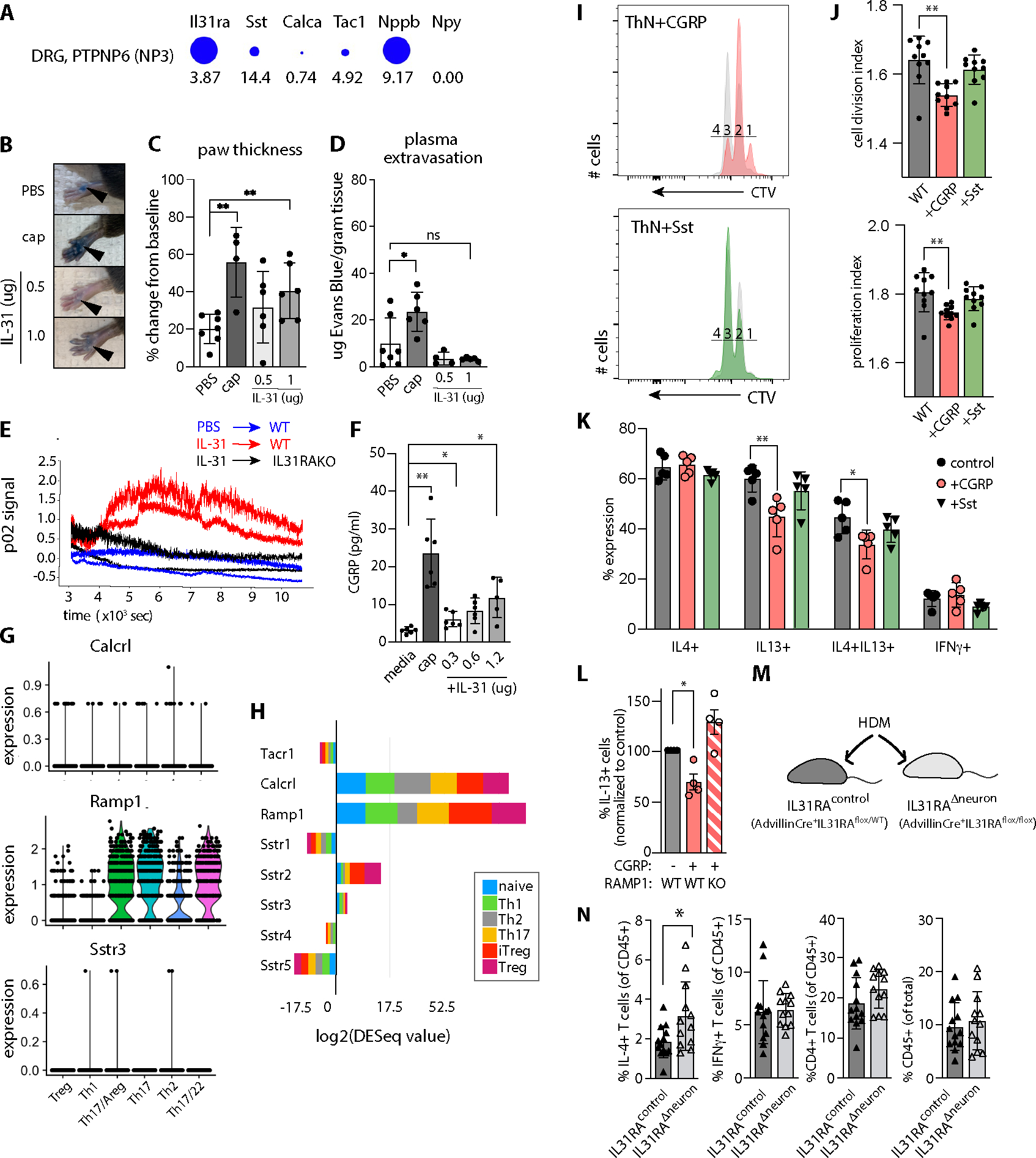
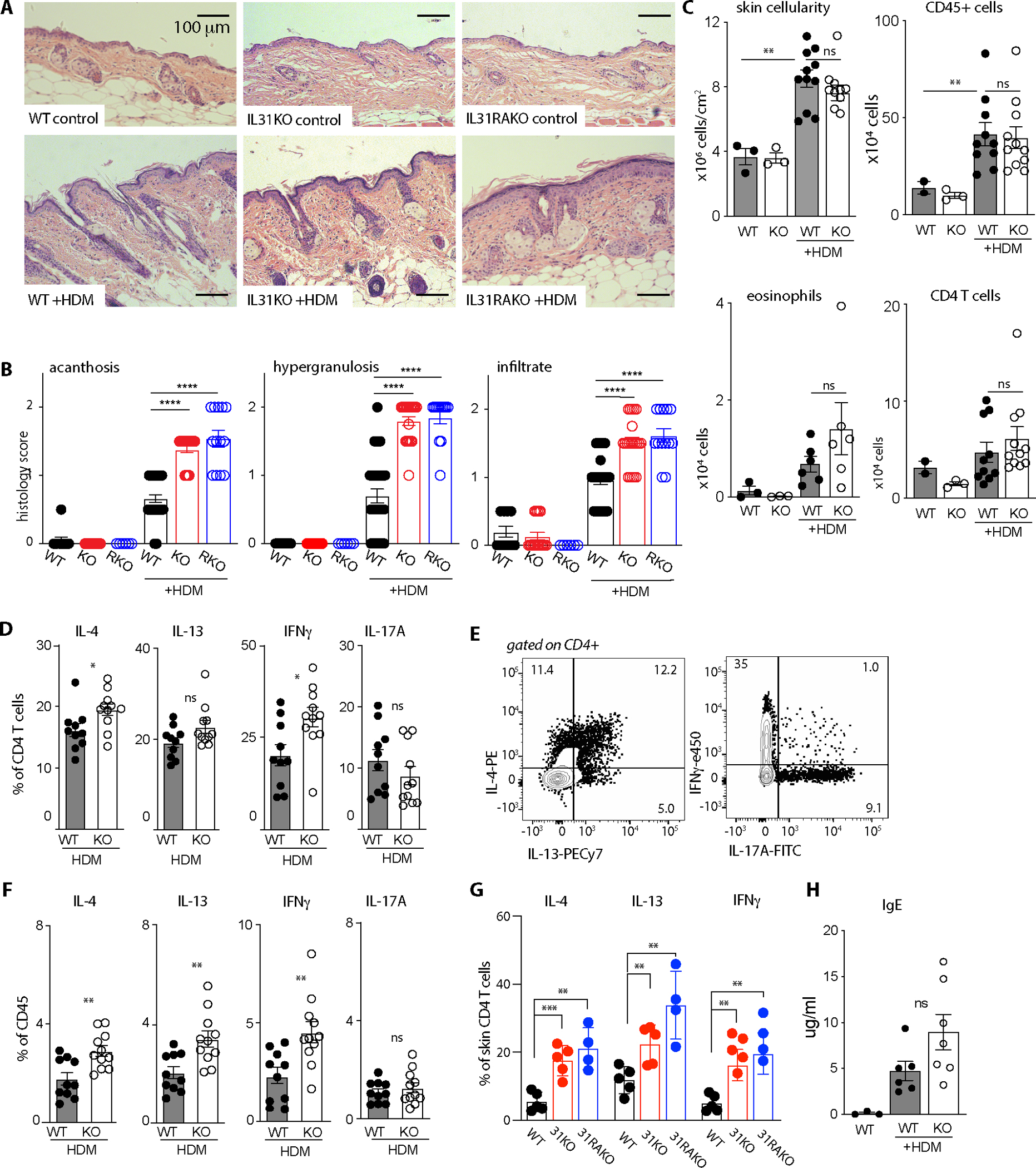
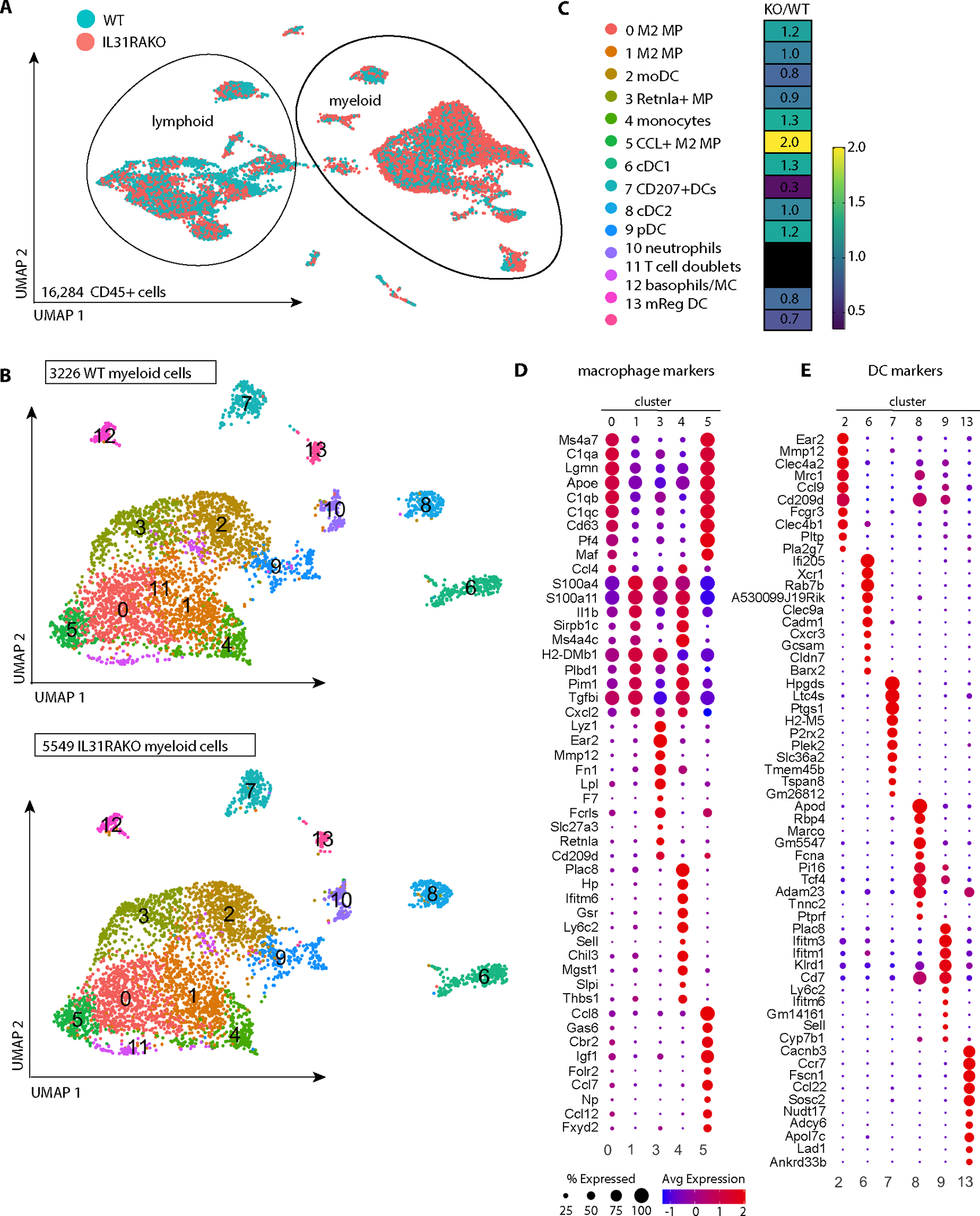
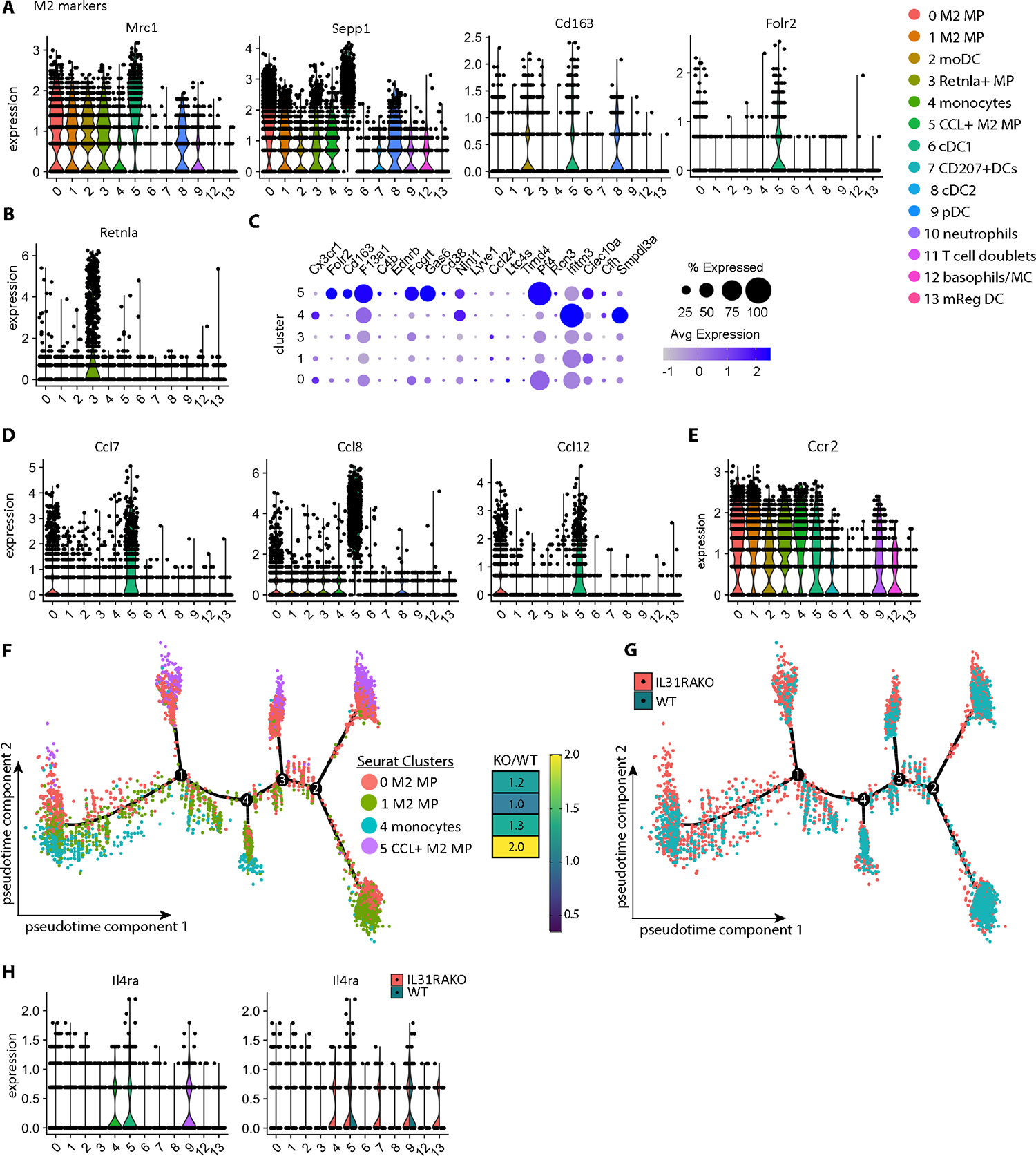
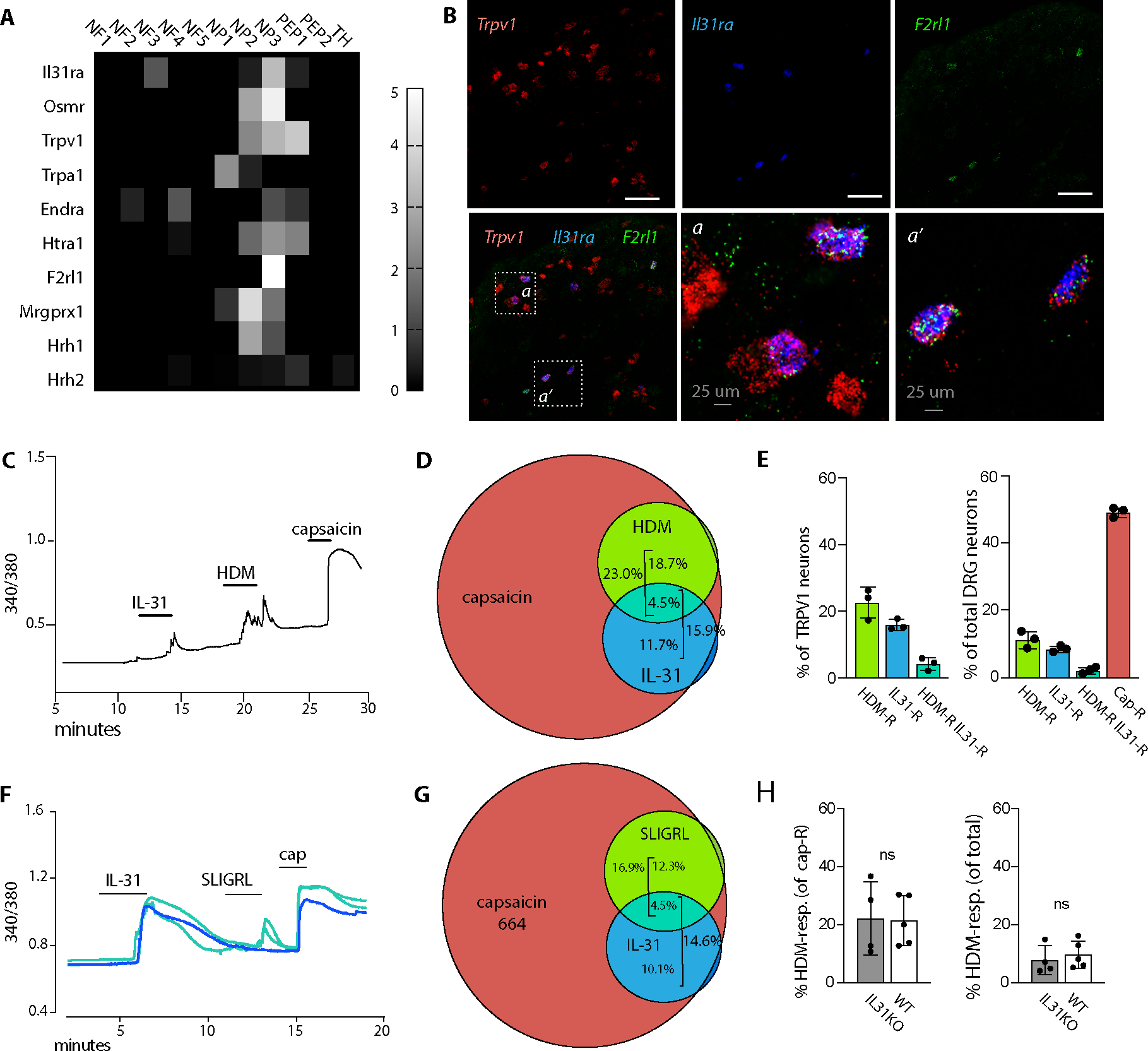
Despite robust literature associating IL-31 with pruritic inflammatory skin diseases, its influence on cutaneous inflammation and the interplay between inflammatory and neurosensory pathways remain unmapped. Here, we examined the consequences of disrupting and its receptor in a mouse model of house dust mite (HDM)-induced allergic dermatitis. -deficient mice displayed a deficit in HDM dermatitis-associated scratching, consistent with its well-established role as a pruritogen. In contrast, deficiency increased the number and proportion of cutaneous type 2 cytokine-producing CD4 T cells and serum IgE in response to HDM. Furthermore, monocytes and macrophages capable of fueling a feedforward type 2 inflammatory loop were selectively enriched in -deficient HDM dermatitis skin. Thus, IL-31 is not strictly a proinflammatory cytokine but rather an immunoregulatory factor that limits the magnitude of type 2 inflammatory responses in skin. Our data support a model wherein IL-31 activation of IL31RA pruritoceptors triggers release of calcitonin gene-related protein (CGRP), which can mediate neurogenic inflammation, inhibit CD4 T cell proliferation, and reduce T cell production of the type 2 cytokine IL-13. Together, these results illustrate a previously unrecognized neuroimmune pathway that constrains type 2 tissue inflammation in the setting of chronic cutaneous allergen exposure and may explain paradoxical dermatitis flares in atopic patients treated with anti-IL31RA therapy.
尽管有大量文献表明白细胞介素-31 与瘙痒性炎症性皮肤疾病有关,但它对皮肤炎症的影响以及炎症和神经感觉途径之间的相互作用仍未被阐明。在这里,我们在屋尘螨(HDM)诱导的过敏性皮炎小鼠模型中研究了 和其受体 中断的后果。 缺陷小鼠在 HDM 相关性瘙痒性皮炎相关搔抓中表现出缺陷,这与其作为瘙痒原的既定作用一致。相比之下, 缺乏增加了对 HDM 的皮肤 2 型细胞因子产生 CD4 T 细胞和血清 IgE 的数量和比例。此外,能够为 2 型炎症反馈环提供燃料的 单核细胞和巨噬细胞在 缺陷型 HDM 皮炎皮肤中选择性富集。因此,白细胞介素-31 不是严格的促炎细胞因子,而是一种免疫调节因子,可限制皮肤 2 型炎症反应的幅度。我们的数据支持这样一种模型,即白细胞介素-31 激活白细胞介素-31RA 瘙痒感受器触发降钙素基因相关肽(CGRP)的释放,CGRP 可以介导神经源性炎症,抑制 CD4 T 细胞增殖,并减少 T 细胞产生 2 型细胞因子白细胞介素-13。总之,这些结果说明了一种以前未被认识的神经免疫途径,该途径限制了慢性皮肤过敏原暴露时 2 型组织炎症,并可能解释了接受抗白细胞介素-31RA 治疗的特应性皮炎患者皮炎发作的矛盾现象。