Anwar Tauseef, Qureshi Huma, Naeem Hafsa, Shahzadi Sumbal, Sehar Zobia, Hassan Rubeena
Department of Botany, The Islamia University of Bahawalpur (Baghdad ul Jadeed Campus), Bahawalpur 63100, Pakistan.
Department of Botany, University of Chakwal, Chakwal 48800, Pakistan.
Foods. 2023 Sep 25;12(19):3557. doi: 10.3390/foods12193557.
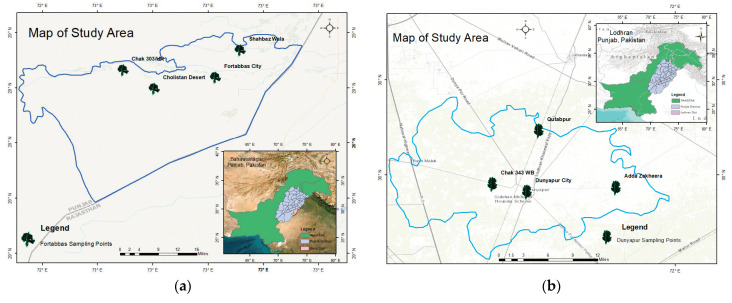
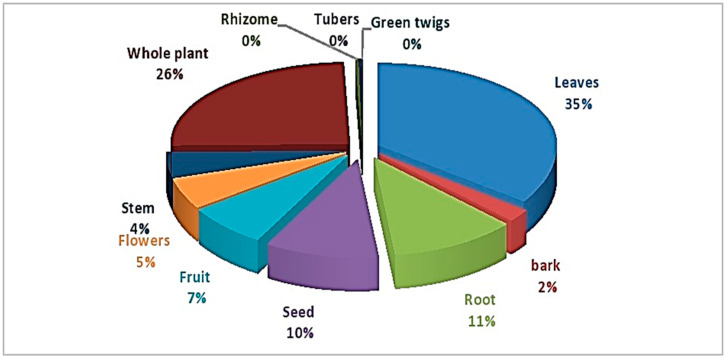
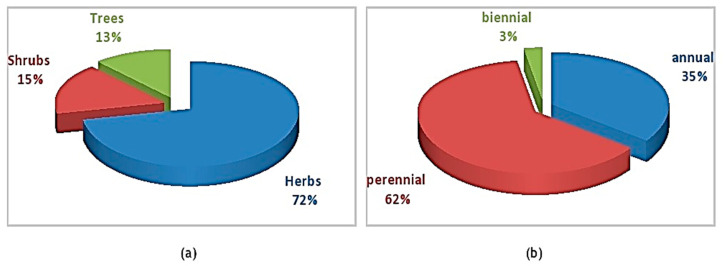
The current study aimed to explore the traditional knowledge and practices of indigenous communities in Bahawalpur and adjacent regions, Pakistan, to treat a variety of diseases with a particular focus on the usage of ethnomedicinal wild plants. The objective of the study was to collect and evaluate local and indigenous knowledge regarding the quantity, variety, use and management of resources by the people. Data were gathered using Rapid Appraisal Approach (RAA), which involved in-person interviews. The data were analyzed using descriptive statistics methods as well as common ethnobotanical analytical techniques viz. use value (UV), relative frequency of citation (RFC), informant consensus factor (ICF), fidelity level (FL), relative importance (RI), frequency index (FI), family use value (FUV), family importance value (FIV), popular therapeutic use value (POPUT), plant part value (PPV), preference ranking (PR), cultural significance index (CSI), rank order priority (ROP) and Jaccard index (JI). A total of 158 plant species from 49 families were identified. The perennial herbs made up 72% of the documented species of therapeutic plants. There were 21 different species in each of the two major plant families i.e., Fabaceae and Poaceae. The maximum ICF were calculated for gonorrhea and paralysis (1.0) and maximum POPUT was calculated for skin disorders (0.088) and cough (0.077), respectively. The maximum UV was found for (0.57) and RI for (4.38). had the highest FL value (83%) and is used to treat kidney diseases. had the greatest RFC (0.009) and FI (0.93). Arecaceae (0.45) and Fabaceae (13.39%) had the greatest FUV while Poaceae and Fabaceae had the highest FIV (13.29 for each). Leaves were the most frequently used plant part (35%). (4.0) and (32.57) had the highest CSI and ROP, respectively. The maximum JI (28.31) was calculated for Cholistan desert. These results showed the local population's reliance on herbal remedies to treat prevalent illnesses. To demonstrate the viability of species, it's crucial to emphasize both the use and conservation of these species. Adopting innovative applications, enhancing their value, and prioritizing the protection of multipurpose wild plants in inhabited environments is vital.
本研究旨在探索巴基斯坦巴哈瓦尔布尔及邻近地区土著社区的传统知识与实践,以治疗各种疾病,尤其关注民族药用野生植物的使用情况。该研究的目的是收集和评估当地居民关于资源数量、种类、用途和管理的本土知识。数据通过快速评估方法(RAA)收集,该方法涉及面对面访谈。数据采用描述性统计方法以及常见的民族植物学分析技术进行分析,即使用价值(UV)、引用相对频率(RFC)、信息提供者共识因子(ICF)、保真度水平(FL)、相对重要性(RI)、频率指数(FI)、科使用价值(FUV)、科重要性价值(FIV)、流行治疗使用价值(POPUT)、植物部分价值(PPV)、偏好排名(PR)、文化意义指数(CSI)、排名优先顺序(ROP)和雅卡尔指数(JI)。共鉴定出49科的158种植物。多年生草本植物占已记录治疗植物种类的72%。两个主要植物科(豆科和禾本科)各有21种不同的植物。淋病和瘫痪的ICF最高(均为1.0),皮肤疾病(0.088)和咳嗽(0.077)的POPUT最高。[此处原文缺失具体植物名称]的UV最高(0.57),[此处原文缺失具体植物名称]的RI最高(4.38)。[此处原文缺失具体植物名称]的FL值最高(83%),用于治疗肾脏疾病。[此处原文缺失具体植物名称]的RFC最高(0.009),FI最高(0.93)。棕榈科(0.45)和豆科(13.39%)的FUV最高,而禾本科和豆科的FIV最高(均为13.29)。叶子是最常使用的植物部分(35%)。[此处原文缺失具体植物名称]的CSI最高(4.0),[此处原文缺失具体植物名称]的ROP最高(32.57)。乔利斯坦沙漠的JI最高(28.31)。这些结果表明当地居民依赖草药治疗常见疾病。为证明物种的可行性,强调这些物种的使用和保护至关重要。采用创新应用、提升其价值并优先保护居住环境中的多用途野生植物至关重要。