Department of Botany, Faculty of Life Science, Women University Multan, Punjab, Pakistan.
Department of Animal Breeding and Genetics, University of Veterinary and Animal Science, Ravi Campus Pattoki Punjab, Pakistan.
Biomed Res Int. 2021 Apr 4;2021:5578914. doi: 10.1155/2021/5578914. eCollection 2021.
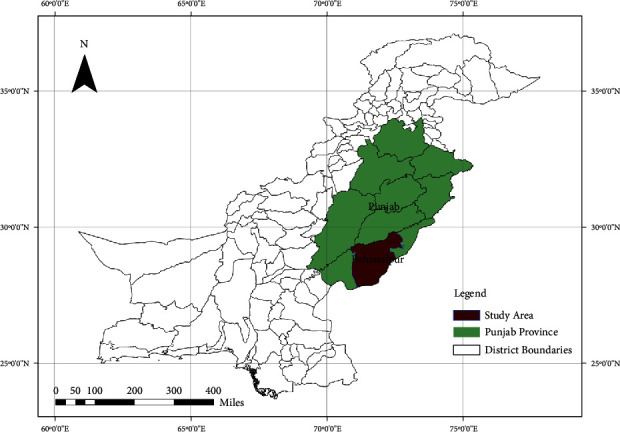
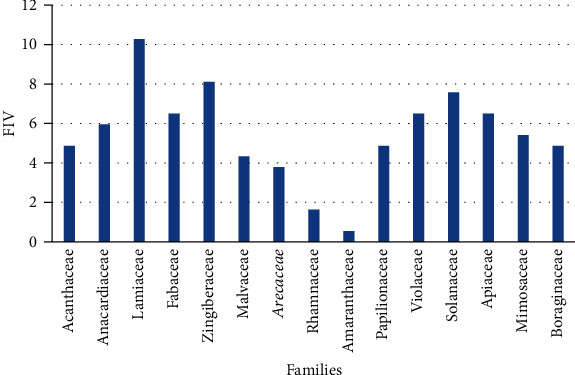
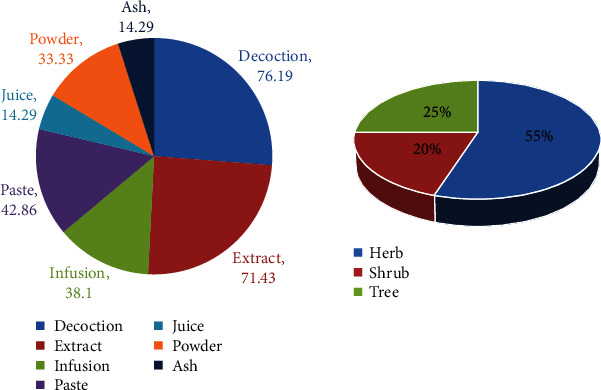
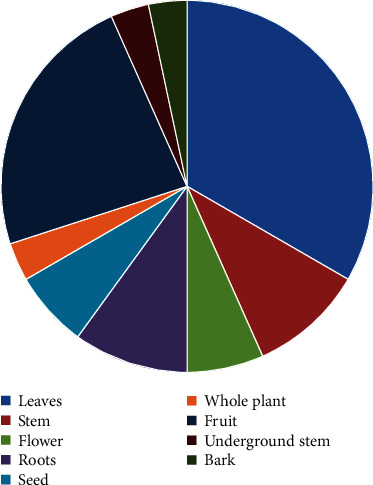
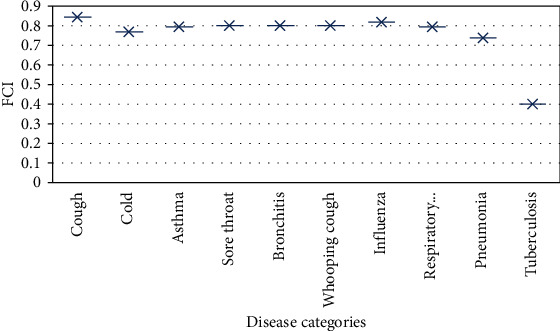
The most common ethnomedicinal plants being effective in respiratory disorders were studied for the first time in Bahawalpur District. The herbal medication represents a low-cost treatment for the local community. There is a need for documenting the traditional uses of plants for further investigation of bioactive compounds. Using a qualitative approach, the ethnobotanical data was collected from the district of Bahawalpur, Pakistan, from February 2018 to February 2020 through semistructured interviews with the local people and traditional healers. The quantitative analysis included use value, informant consensus factor, family importance value, and relative frequency citation. A total of 20 indigenous plants belonging to 17 families were documented from 185 informants. These plants were claimed to be used for the treatment of 10 respiratory ailments. The plant habit, part of the plant used, and mode of preparation were standardized for authentication. The herbs are the most used life form (55%), while trees and shrubs are also used. Leaves dominate with high use value (47.62%) followed by fruit, stem, flower, and other parts of plants. For the preparation of traditional remedies, decoction (76.19%) and extract (71.43%) are common preparation methods. However, other methods of paste infusion, powder juice, and ash are used to a lower extent. The plants with higher use value are , , and ; these have significant potential therapeutic activity for respiratory disease. The ethnomedicinal importance of plants against respiratory diseases used by the local population (traditional healers) is the commercial availability of the herbal product. It is a first-time study in this area to fill the gap between traditional practices and synthetic medicine to screen out the phytochemical and pharmacological properties of plants that have a highly futuristic use value to develop antibiotic drug with least side effects by using sustainable methods.
首次在巴哈瓦尔布尔地区研究了对呼吸紊乱有疗效的最常见的民间药用植物。草药代表了当地社区的低成本治疗方法。有必要记录植物的传统用途,以进一步研究生物活性化合物。采用定性方法,从 2018 年 2 月至 2020 年 2 月,通过与当地人和传统治疗师的半结构式访谈,在巴基斯坦巴哈瓦尔布尔地区收集了民族植物学数据。定量分析包括使用价值、信息共识因子、家庭重要值和相对频率引用。从 185 名受访者中记录了 20 种属于 17 个科的土生土长的植物,这些植物被用于治疗 10 种呼吸疾病。植物习性、植物使用部位和制备方式均经过标准化认证。草药是最常用的生活形态(55%),而树木和灌木也有使用。叶类以高使用价值(47.62%)为主,其次是果实、茎、花和其他植物部位。在传统疗法的制备中,汤剂(76.19%)和提取物(71.43%)是常见的制备方法。但也使用糊剂浸膏、粉末果汁和灰分等其他方法。使用价值较高的植物有、和;这些植物对治疗呼吸疾病具有显著的潜在治疗活性。当地居民(传统治疗师)使用的植物对呼吸疾病的民间药用重要性在于草药产品的商业可获得性。这是该地区首次进行的研究,旨在填补传统实践和合成药物之间的空白,筛选出具有高度未来使用价值的植物的植物化学和药理学特性,以便采用可持续方法开发具有最小副作用的抗生素药物。