Casteleyn Christophe, Wydooghe Estée, Bakker Jaco
Department of Morphology, Medical Imaging, Orthopedics, Physiotherapy and Nutrition, Faculty of Veterinary Medicine, Ghent University, Salisburylaan 133, 9820 Merelbeke, Belgium.
Department of Veterinary Sciences, Faculty of Pharmaceutical, Biomedical and Veterinary Sciences, University of Antwerp, Universiteitsplein 1, 2610 Wilrijk, Belgium.
Animals (Basel). 2023 Oct 6;13(19):3124. doi: 10.3390/ani13193124.
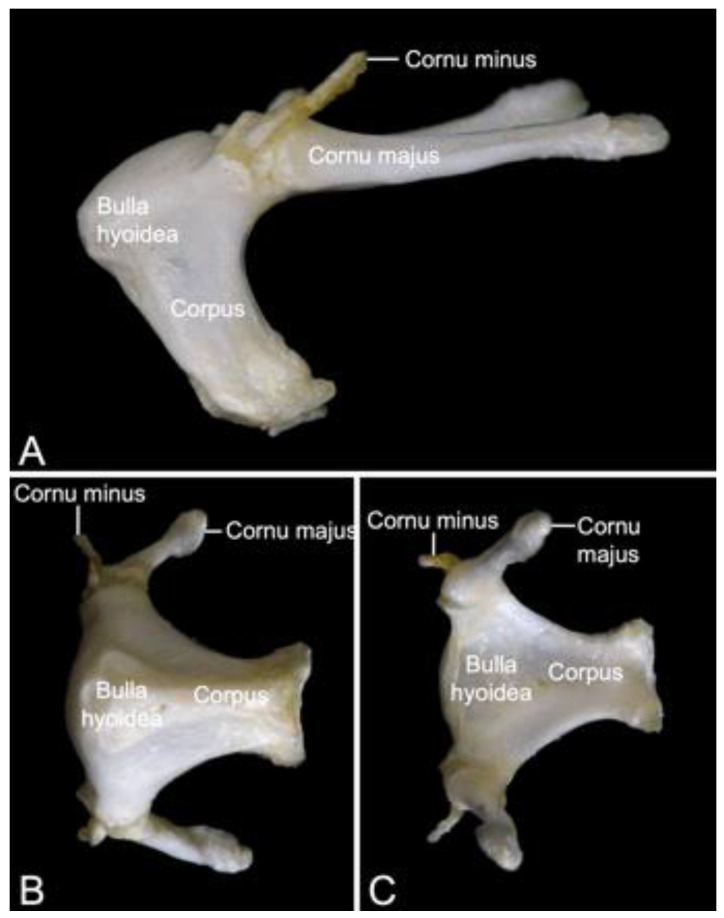
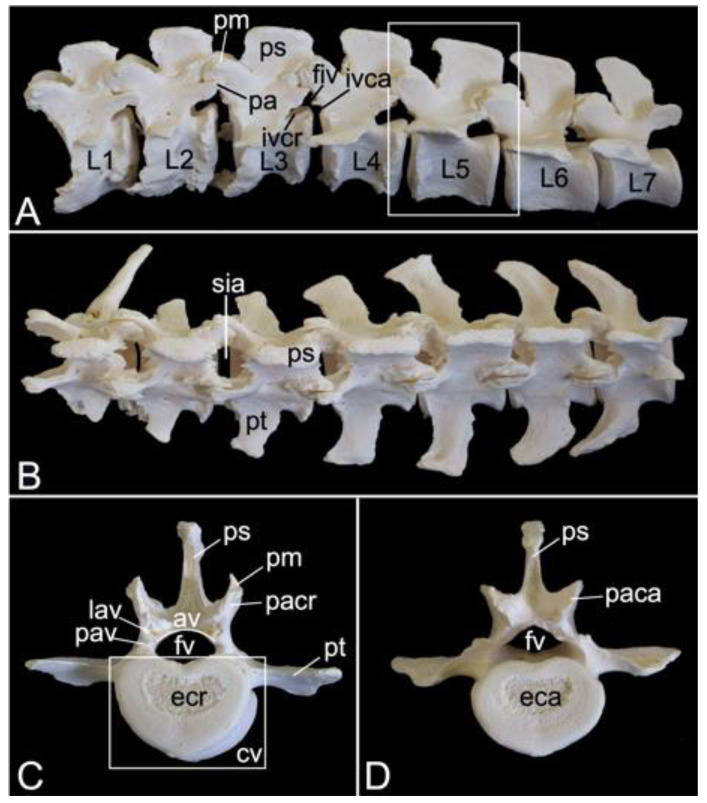
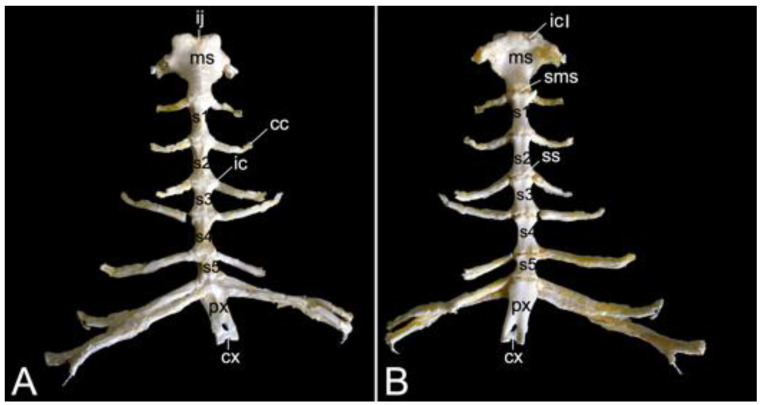
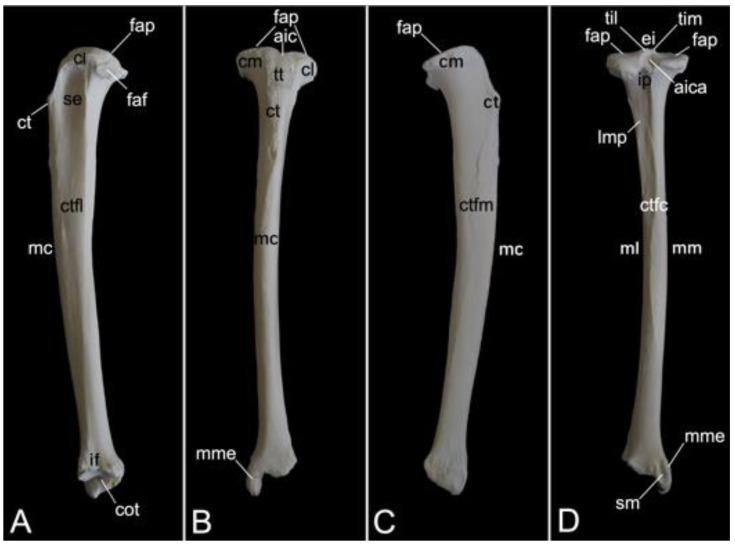
Besides living as a free-ranging primate in the horn of Africa and the Arabian Peninsula, the hamadryas baboon has an important place in zoos and can be found in biomedical research centers worldwide. To be valuable as a non-human primate laboratory model for man, its anatomy should be portrayed in detail, allowing for the correct interpretation and translation of obtained research results. Reviewing the literature on the use of the baboon in biomedical research revealed that very limited anatomical works on this species are available. Anatomical atlases are incomplete, use archaic nomenclature and fail to provide high-definition color photographs. Therefore, the skeletons of two male hamadryas baboons were prepared by manually removing as much soft tissues as possible followed by maceration in warm water to which enzyme-containing washing powder was added. The bones were bleached with hydrogen peroxide and degreased by means of methylene chloride. Photographs of the various bones were taken, and the anatomical structures were identified using the latest version of the Nomina Anatomica Veterinaria. As such, the present article shows 31 annotated multipanel figures. The skeleton of the hamadryas baboon generally parallels the human skeleton, but some remarkable differences have been noticed. If these are taken into consideration when evaluating the results of experiments using the hamadryas baboon, justified conclusions can be drawn.
阿拉伯狒狒除了在非洲之角和阿拉伯半岛以自由放养的灵长类动物形式生活外,在动物园中也占有重要地位,并且在世界各地的生物医学研究中心都能见到。作为一种对人类有价值的非人灵长类动物实验室模型,其解剖结构应得到详细描绘,以便对所获得的研究结果进行正确解读和转化。查阅关于阿拉伯狒狒在生物医学研究中应用的文献发现,关于该物种的解剖学著作非常有限。解剖图谱不完整,使用的是古老的命名法,且未提供高清彩色照片。因此,通过尽可能手动去除两只雄性阿拉伯狒狒的软组织,然后在添加了含酶洗衣粉的温水中浸泡使其骨骼分离。骨骼用过氧化氢漂白,并用二氯甲烷脱脂。拍摄了各种骨骼的照片,并使用最新版的《兽医解剖学命名法》确定了解剖结构。据此,本文展示了31幅带注释的多面板图。阿拉伯狒狒的骨骼总体上与人类骨骼相似,但也发现了一些显著差异。在评估使用阿拉伯狒狒进行的实验结果时,如果考虑到这些差异,就能得出合理的结论。