Department of Plant and Environmental Sciences, University of Copenhagen, Frederiksberg C, Denmark.
J Biol Chem. 2023 Nov;299(11):105352. doi: 10.1016/j.jbc.2023.105352. Epub 2023 Oct 12.
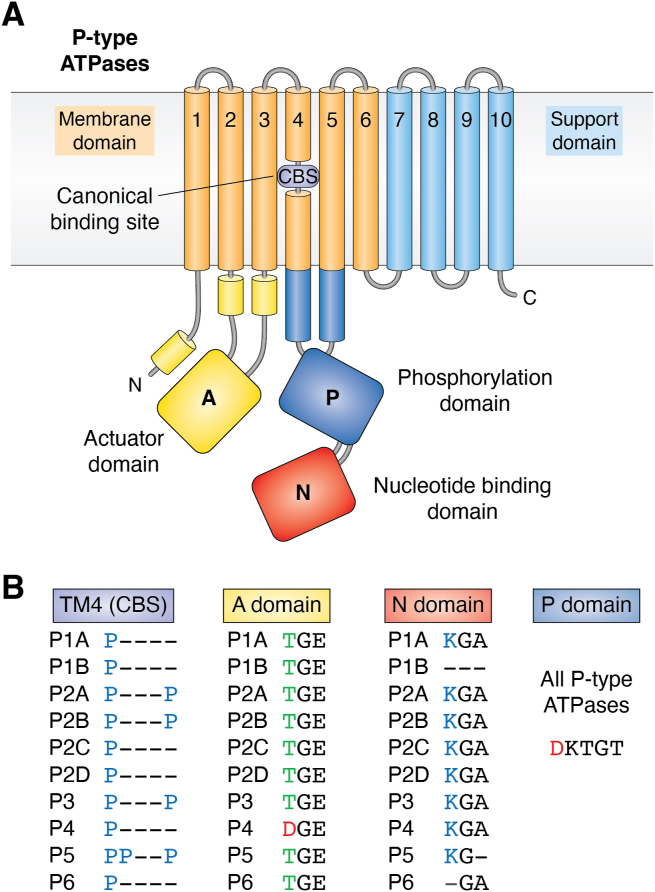
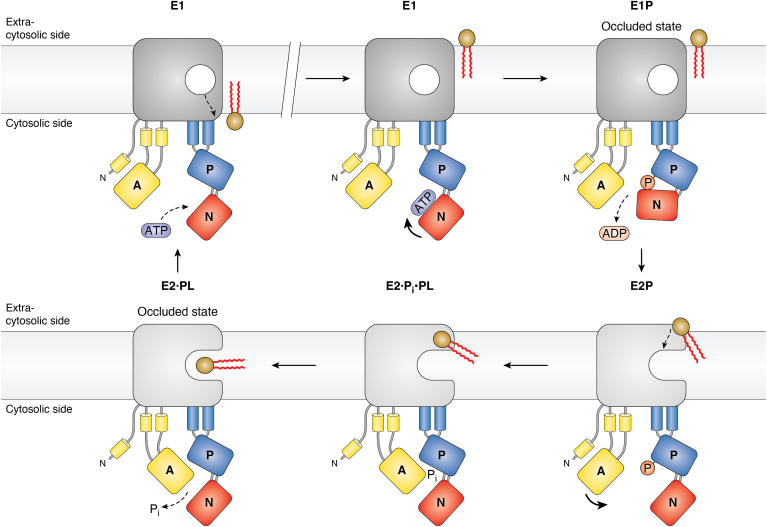
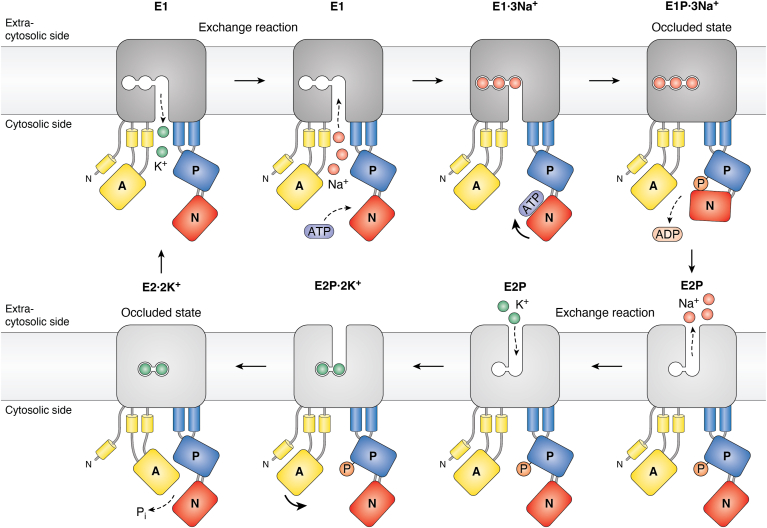
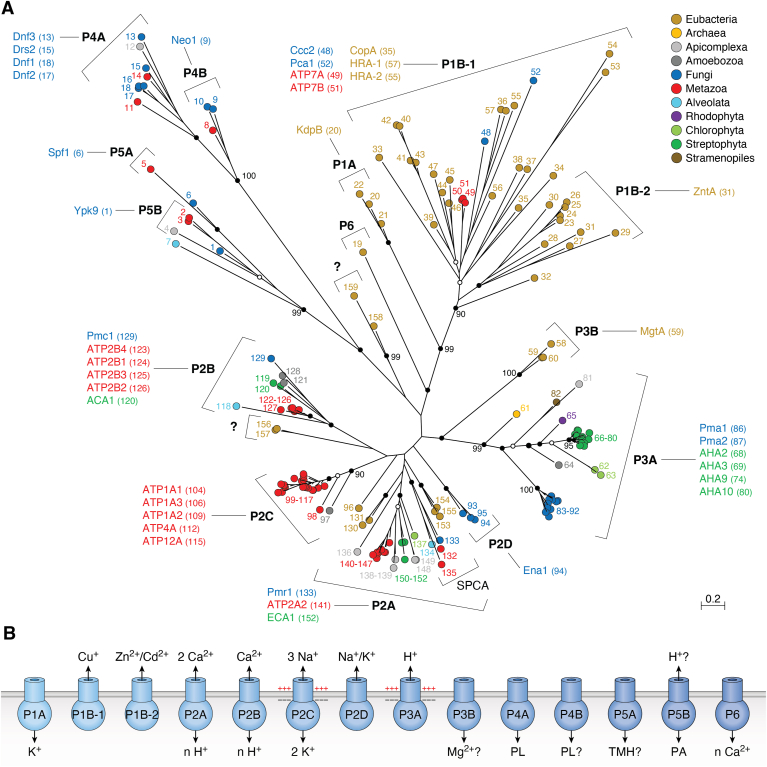
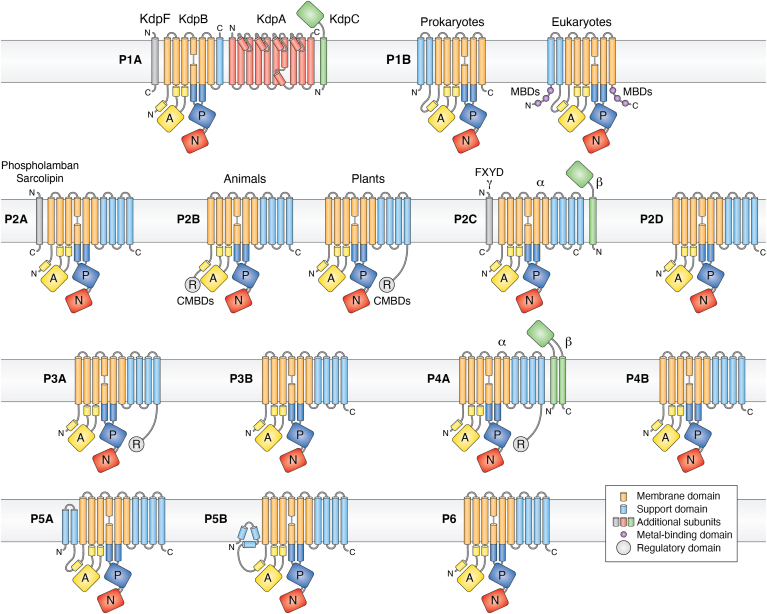
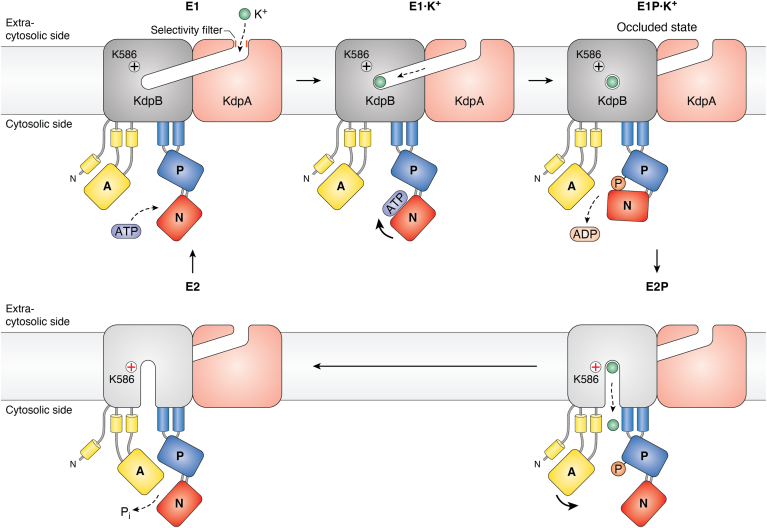
P-type ATPases constitute a large ancient super-family of primary active pumps that have diverse substrate specificities ranging from H to phospholipids. The significance of these enzymes in biology cannot be overstated. They are structurally related, and their catalytic cycles alternate between high- and low-affinity conformations that are induced by phosphorylation and dephosphorylation of a conserved aspartate residue. In the year 1988, all P-type sequences available by then were analyzed and five major families, P1 to P5, were identified. Since then, a large body of knowledge has accumulated concerning the structure, function, and physiological roles of members of these families, but only one additional family, P6 ATPases, has been identified. However, much is still left to be learned. For each family a few remaining enigmas are presented, with the intention that they will stimulate interest in continued research in the field. The review is by no way comprehensive and merely presents personal views with a focus on evolution.
P 型 ATP 酶构成了一个庞大而古老的主要主动泵超家族,其底物特异性从 H 到磷脂多种多样。这些酶在生物学中的意义怎么强调都不为过。它们在结构上是相关的,其催化循环在高亲和和低亲和构象之间交替,这是由保守天冬氨酸残基的磷酸化和去磷酸化诱导的。1988 年,当时可获得的所有 P 型序列都进行了分析,确定了五个主要家族,P1 到 P5。从那时起,关于这些家族成员的结构、功能和生理作用的大量知识已经积累起来,但只确定了一个额外的家族,P6 ATP 酶。然而,仍有许多有待了解。对于每个家族,都提出了一些未解之谜,希望能激发人们对该领域继续研究的兴趣。本综述并非全面,只是提出了个人观点,重点是进化。