Department of Oral and Maxillofacial Surgery, University Hospital RWTH Aachen, Pauwelstraße 30, Aachen, 52074, Germany.
BMC Oral Health. 2023 Oct 14;23(1):761. doi: 10.1186/s12903-023-03507-9.
The aim of this study was to determine the values of different perfusion parameters- such as oxygen saturation, the relative amount of hemoglobin, and blood flow- in healthy subjects compared to patients with gingivitis as a non-invasive measurement method.
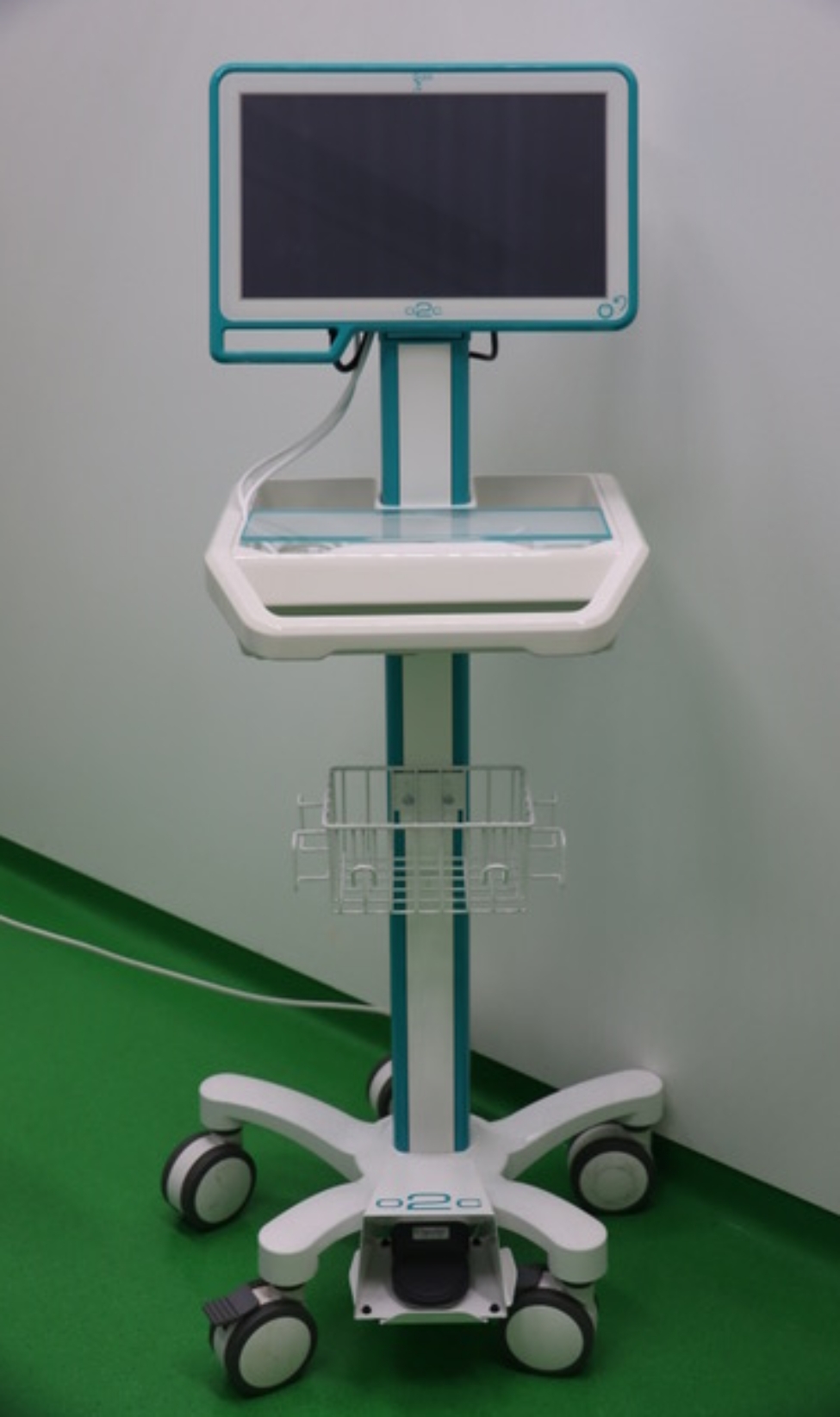
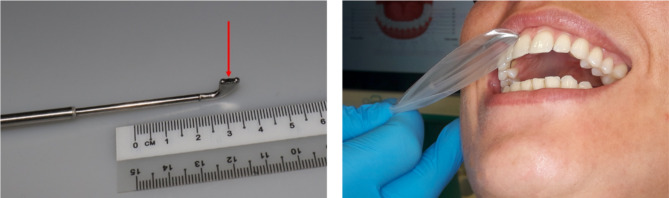
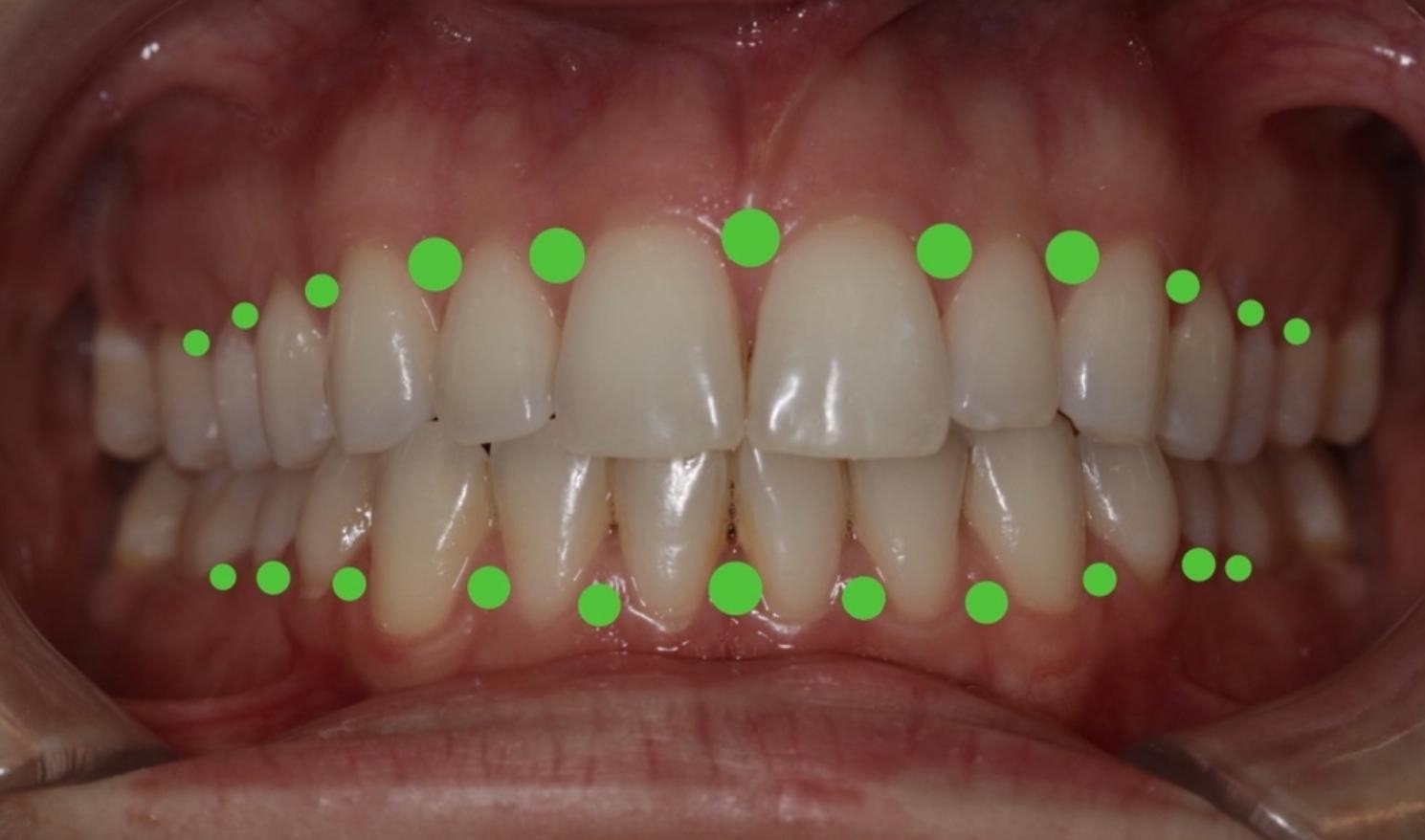
A total of 114 subjects were enrolled in this study and separated into subjects with gingivitis (50) and without gingivitis (64) based on clinical examination. Gingival perfusion was measured at 22 points in the maxilla and mandible using laser Doppler flowmetry and tissue spectrophotometry (LDF-TS) with the "oxygen to see" device. All patients underwent measurement of gingival perfusion, followed by the clinical evaluation (measurement of probing depths, evaluation of bleeding on probing, plaque level, and biotype). Perfusion parameters were compared between the groups, associations between the non-invasive and clinical measurements were analyzed, and theoretical optimal cut-off values for predicting gingivitis were calculated with receiver operating characteristics.
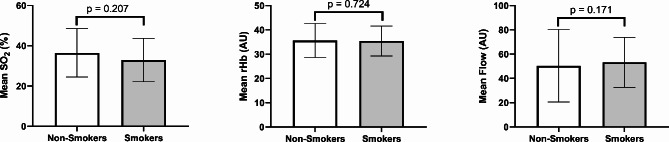
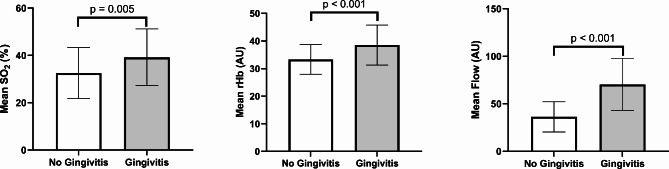
The mean oxygen saturation, mean relative amount of hemoglobin, and mean blood flow all significantly differed between the groups with and without gingivitis (p = 0.005, p < 0.001, and p < 0.001, respectively). The cut-off value for predicting gingivitis was > 40 AU (p < 0.001; sensitivity 0.90, specificity 0.67).
As a non-invasive method, LDF-TS can help determine gingival hyperemia. Flow values above 40 AU indicate a higher risk of hyperemia, which can be associated with inflammation. The LDF-TS method can be used for the objective evaluation of perfusion parameters during routine examinations and can signal the progression of hyperperfusion before any change in clinical parameters is observed.
All procedures performed in this study involving human participants were in accordance with the ethical standards of the institutional and/or national research committee and with the 1964 Helsinki Declaration and its later amendments or comparable ethical standards. The study was approved by the institutional Clinical Research Ethics Committee (Ethik-Kommission der Medizinischen Fakultät der RWTH Aachen, Decision Number 286/20) and retrospectively registered by the German Clinical Trials Register (File Number DRKS00024048, registered on the 15th of October 2021).
本研究旨在确定不同灌注参数(如氧饱和度、血红蛋白相对量和血流量)在健康受试者和牙龈炎患者中的值,作为一种非侵入性测量方法。
本研究共纳入 114 名受试者,根据临床检查将其分为牙龈炎组(50 名)和无牙龈炎组(64 名)。使用激光多普勒血流仪和组织分光光度计(LDF-TS),使用“氧来看”设备,在上下颌 22 个部位测量牙龈灌注。所有患者均行牙龈灌注测量,随后行临床评估(测量探诊深度、探诊出血评估、菌斑水平和生物型)。比较两组间的灌注参数,分析非侵入性和临床测量间的相关性,并计算预测牙龈炎的受试者工作特征曲线的理论最佳截断值。
氧饱和度、血红蛋白相对量和血流量的平均值在有和无牙龈炎的组间均有显著差异(p=0.005,p<0.001 和 p<0.001)。预测牙龈炎的截断值为>40 AU(p<0.001;敏感性 0.90,特异性 0.67)。
作为一种非侵入性方法,LDF-TS 可帮助确定牙龈充血。流量值>40 AU 表明充血风险较高,可能与炎症有关。LDF-TS 方法可用于常规检查中的灌注参数的客观评估,并可在观察到任何临床参数变化之前提示过度灌注的进展。
本研究中进行的所有涉及人类参与者的程序均符合机构和/或国家研究委员会的伦理标准以及 1964 年赫尔辛基宣言及其后修正案或类似的伦理标准。该研究得到了机构临床研究伦理委员会(Aachen RWTH 医学院伦理委员会,编号 286/20)的批准,并由德国临床试验注册中心(注册号 DRKS00024048,于 2021 年 10 月 15 日注册)进行了回顾性注册。