Gulf Medical University, DMD, Saihat, Saudi Arabia.
Gulf Medical University, DMD, Safwa, Saudi Arabia.
Clin Exp Dent Res. 2023 Dec;9(6):1223-1231. doi: 10.1002/cre2.795. Epub 2023 Oct 15.
The aim of this study is to evaluate the behavioral patterns and anxiety levels of pediatric patients in dental clinics, discern their behavioral expectations, and investigate the associations between these factors and the patient's age and gender.
In this cross-sectional study, 150 pediatric patients visiting Sharjah Thumbay Dental Hospital for treatment were recruited over a study period of 23 weeks (February 12, 2022 to July 23, 2022). The patient's age ranged from 2 to 14 years. Guardians were informed about the study and their written consent was taken.
Children over 14 years old, children whose guardians refused to participate in the study, and medically compromised children. Frankl's behavior rating scale, Categorical rating scale, and Venham anxiety and behavioral rating scales were used to evaluate the pediatric patient's behavior and anxiety at the end of the dental visit, the evaluation was done by the same trained dental student for all the patients.
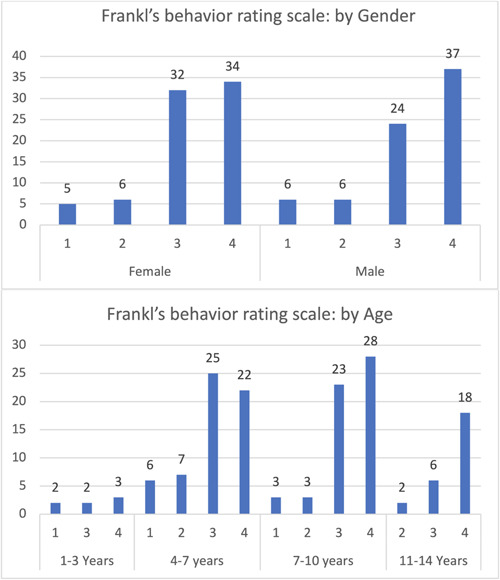
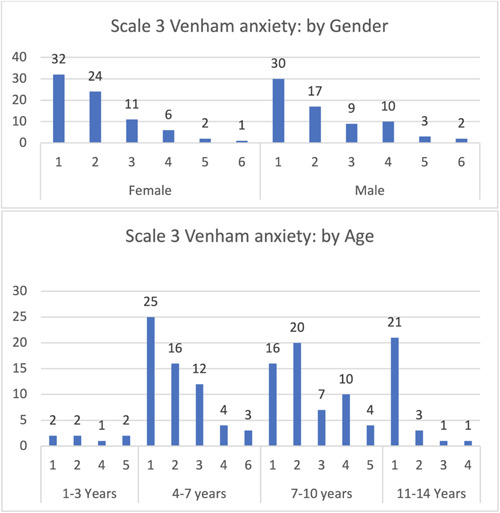
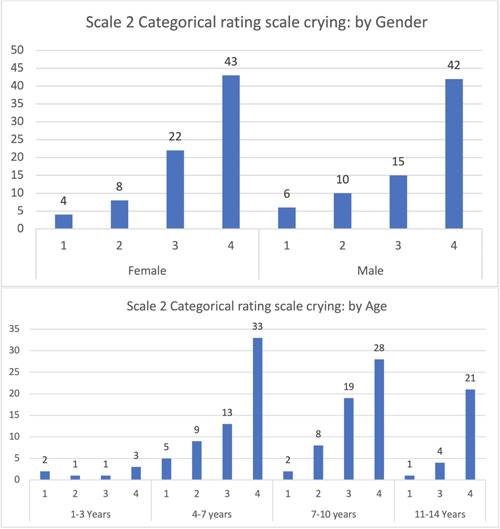
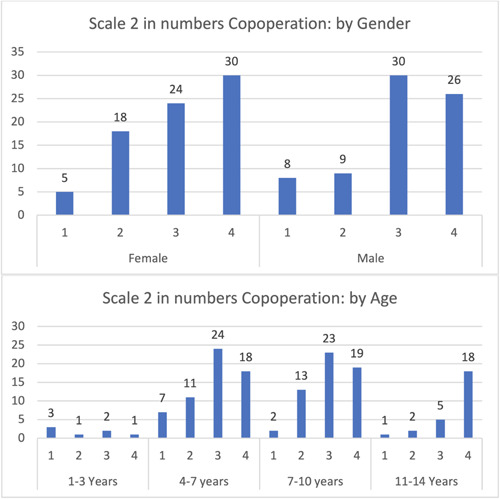
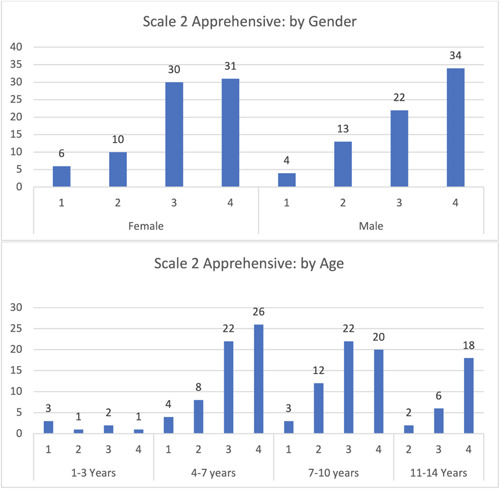
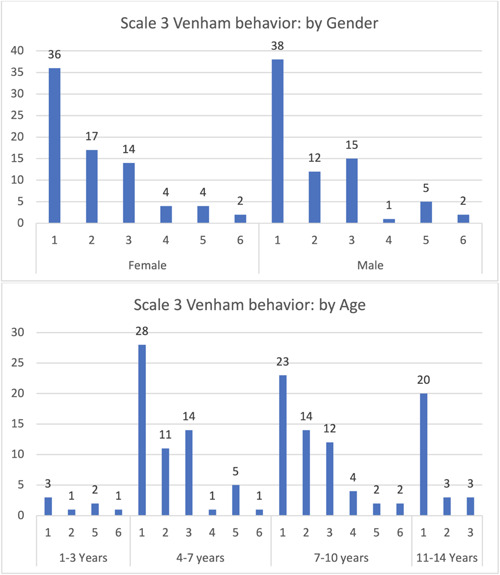
When the Mann-Whitney U test was used for gender, no significant differences were observed in behavior and anxiety between male and female patients across all scales employed in this study. Conversely, when examining various age groups for behavior and anxiety using the Kruskal-Wallis test, significant findings emerged across nearly all scales. In the categorical rating scale, the age group of 11-14 years exhibited the most notable results in subscales of crying (p = .034), cooperativeness (p = .002), and apprehensiveness (p = .003).
The pediatric patients who took part in this study exhibited heightened anxiety when attending dental clinics. This study underscores the importance of understanding child behavior and utilizing effective communication with children and their guardians. Dental professionals should consider implementing strategies to manage child behavior during visits. Further research is required to develop sufficient strategies tailored to different pediatric populations, aiming to enhance dental care outcomes for pediatric patients.
本研究旨在评估牙科诊所中儿科患者的行为模式和焦虑水平,了解他们的行为预期,并调查这些因素与患者年龄和性别之间的关联。
在这项横断面研究中,我们招募了在沙迦Thumbay 牙科医院接受治疗的 150 名儿科患者,研究期间为 23 周(2022 年 2 月 12 日至 2022 年 7 月 23 日)。患者年龄在 2 至 14 岁之间。告知监护人有关研究的情况,并取得他们的书面同意。
年龄超过 14 岁的儿童、拒绝参加研究的儿童的监护人以及有医疗问题的儿童。使用 Frankl 行为评分量表、分类评分量表以及 Venham 焦虑和行为评分量表在牙科就诊结束时评估儿科患者的行为和焦虑,所有患者均由同一名经过培训的牙科学生进行评估。
当使用 Mann-Whitney U 检验进行性别分析时,在本研究中使用的所有量表中,男性和女性患者的行为和焦虑之间没有显著差异。相反,当使用 Kruskal-Wallis 检验检查不同年龄组的行为和焦虑时,几乎所有量表都出现了显著结果。在分类评分量表中,11-14 岁年龄组在哭泣(p=0.034)、合作性(p=0.002)和恐惧(p=0.003)亚量表方面表现出最显著的结果。
参与本研究的儿科患者在就诊牙科诊所时表现出较高的焦虑。本研究强调了了解儿童行为并与儿童及其监护人进行有效沟通的重要性。牙科专业人员应考虑实施策略来管理就诊期间的儿童行为。需要进一步研究制定针对不同儿科人群的充分策略,旨在提高儿科患者的牙科护理效果。