Gavaldà-Espelta Ester, Del Mar Lleixà-Fortuño Maria, Baucells-Lluis Jordi, Ferré-Ferraté Maria, Tomàs-Navarro Begoña, Curto-Romeu Claudia, Lucas-Noll Jorgina, Ariza Macarena Pozo, Castro-Blanco Elisabet, Fernández Sáez José, Martín Carina Aguilar, Gonçalves Alessandra Queiroga, Ferré-Grau Carmen
Direcció d'Atenció Primària Terres de l'Ebre, Institut Catalàde la Salut, Tortosa.
Departament d'Infermeria, Programa de Doctorat Infermeria i Salut, Universitat Rovira i Virgili, Tarragona.
Int J Integr Care. 2023 Oct 11;23(4):2. doi: 10.5334/ijic.6759. eCollection 2023 Oct-Dec.
Patients with chronic disease have become one of the major challenges for health and social protection systems in developed countries. Integrated care models (ICM) have demonstrably improved the quality of care of chronic patients. However, new models of integration need further evaluation of its effectiveness and outcomes.
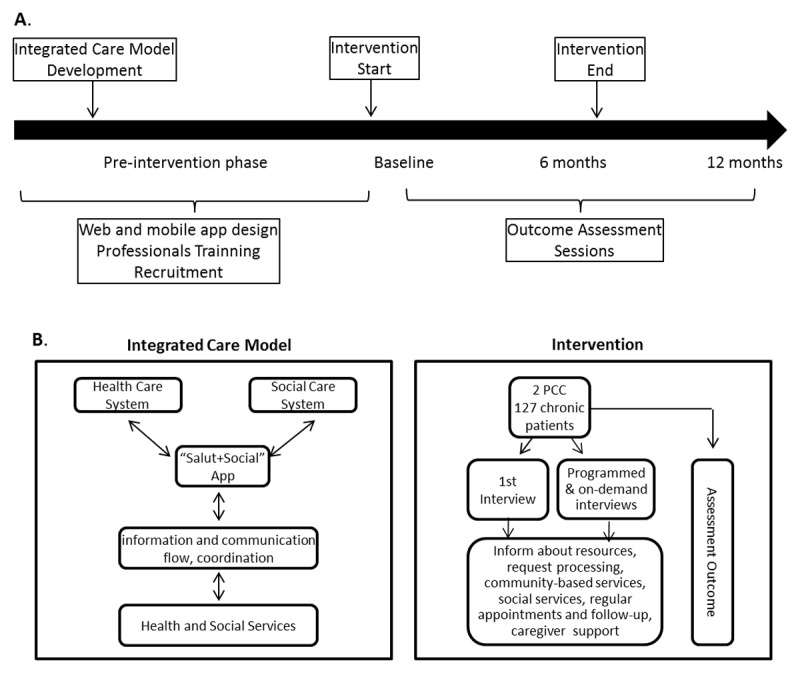
The ICM studied promoted coordination between the health and social sectors during a 6-month period, through an developed application (app) that enabled a constant flow of communication between professionals from both sectors. Patients' quality of life, treatment adherence, chronic patient experience and caregiver overload were assessed by questionnaires at baseline, at the end of the intervention and 6 months post-intervention.
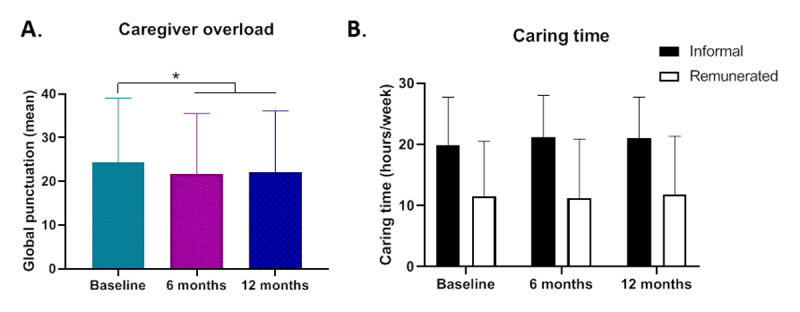
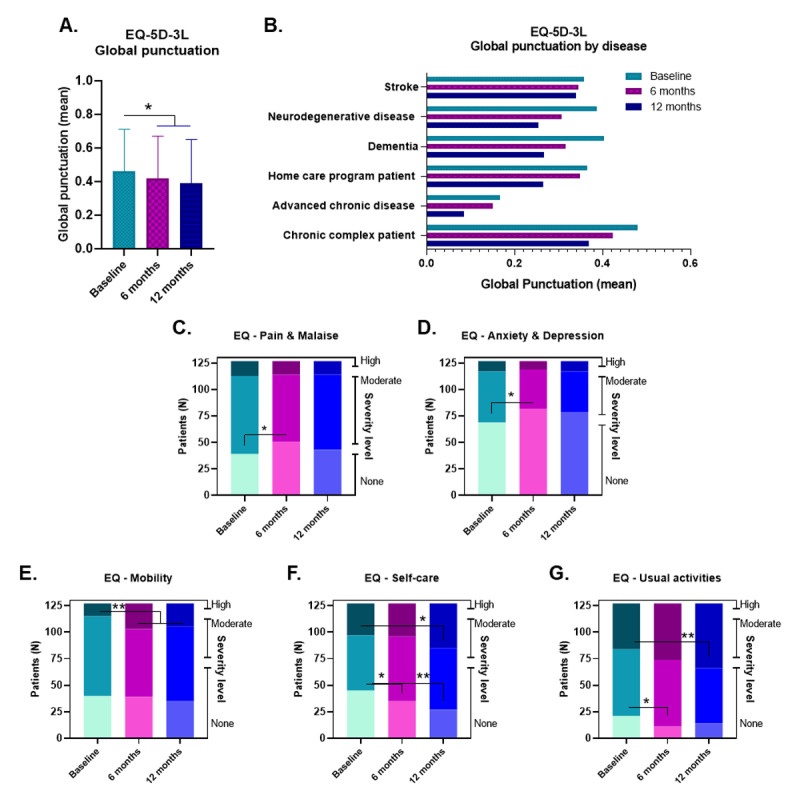
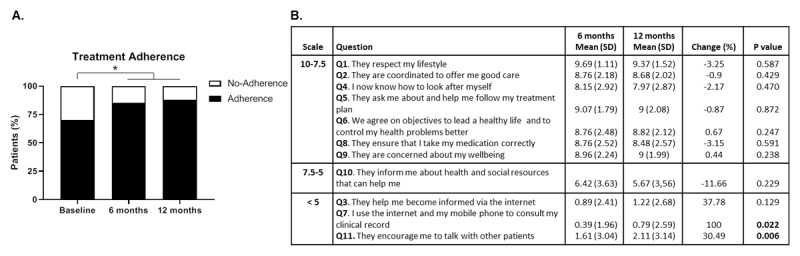
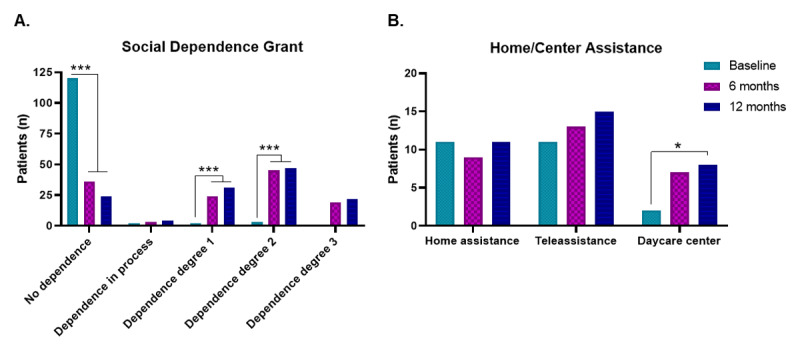
The implementation of the new health and social ICM permitted new case detection and medical and social services offered to chronic patients. Furthermore, the quality of life and treatment adherence of patients and caregiver overload were significantly improved. These positive effects lasted at least 6 months after the intervention.
Integrated care may facilitate access to care services, increase perceived patient quality of life and treatment adherence. Enhanced access to medical and social services from complex chronic patients may have important implications for caregivers and the care systems who are struggling to adapt to an expanding demand.
慢性病患者已成为发达国家卫生和社会保护系统面临的主要挑战之一。综合护理模式(ICM)已显著提高了慢性病患者的护理质量。然而,新的整合模式需要对其有效性和结果进行进一步评估。
所研究的综合护理模式在6个月期间通过一个开发的应用程序促进卫生和社会部门之间的协调,该应用程序使两个部门的专业人员之间能够持续进行沟通。在基线、干预结束时和干预后6个月通过问卷调查评估患者的生活质量、治疗依从性、慢性病患者体验和照顾者负担。
新的卫生和社会综合护理模式的实施使得能够发现新病例,并为慢性病患者提供医疗和社会服务。此外,患者的生活质量和治疗依从性以及照顾者负担得到了显著改善。这些积极效果在干预后至少持续了6个月。
综合护理可能有助于获得护理服务,提高患者感知的生活质量和治疗依从性。改善复杂慢性病患者获得医疗和社会服务的机会可能对难以适应不断增长需求的照顾者和护理系统具有重要意义。