Parr Joseph M, Crimmin Mark R
Department of Chemistry, Molecular Science Research Hub, Imperial College London 82 Wood Lane, White City London W12 0BZ UK
Chem Sci. 2023 Sep 14;14(40):11012-11021. doi: 10.1039/d3sc03336h. eCollection 2023 Oct 18.
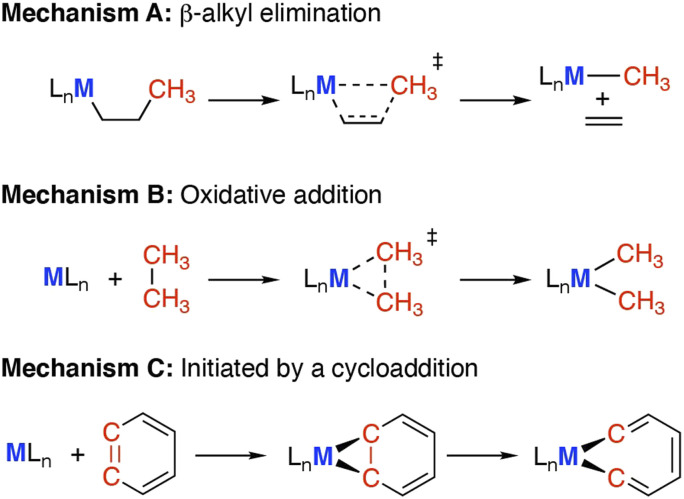
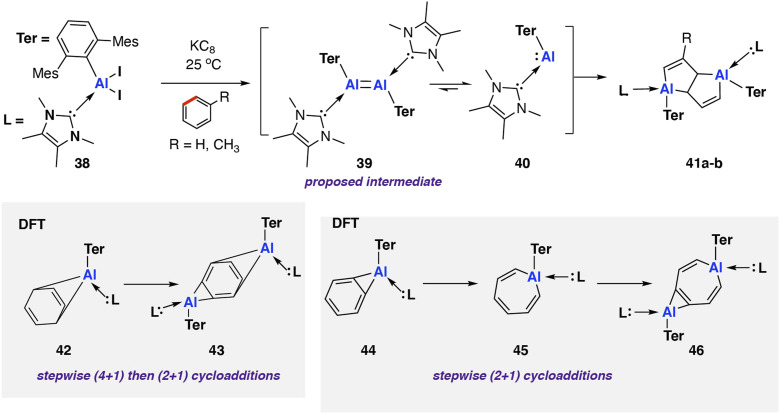
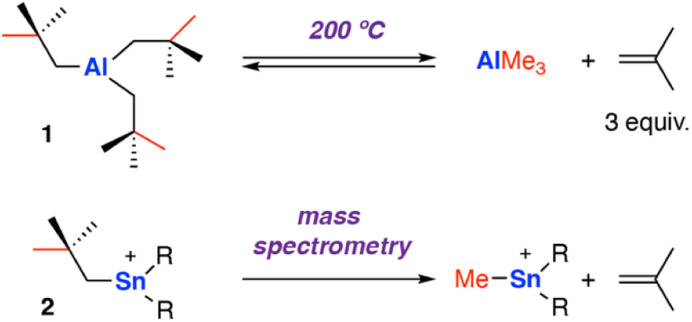
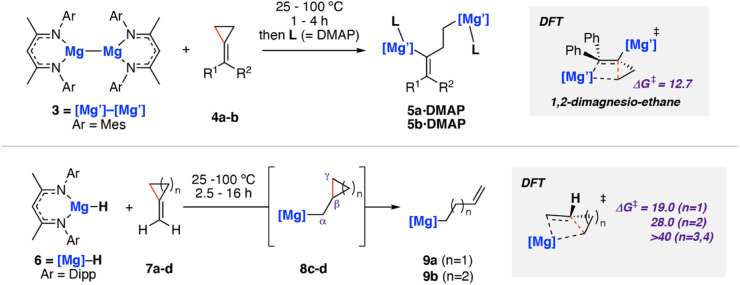
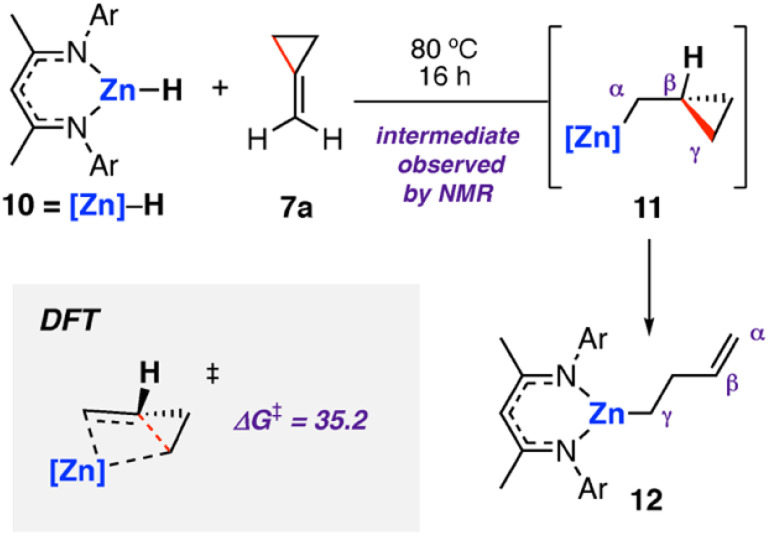
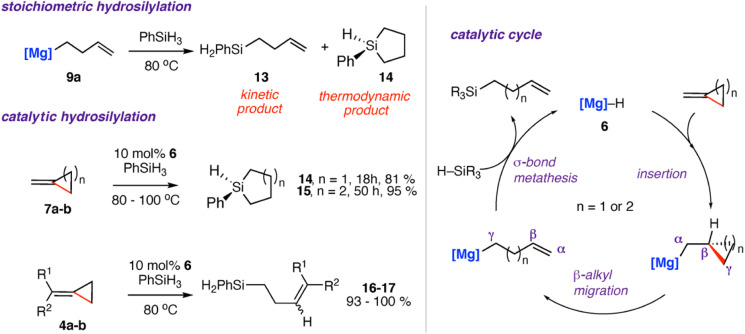
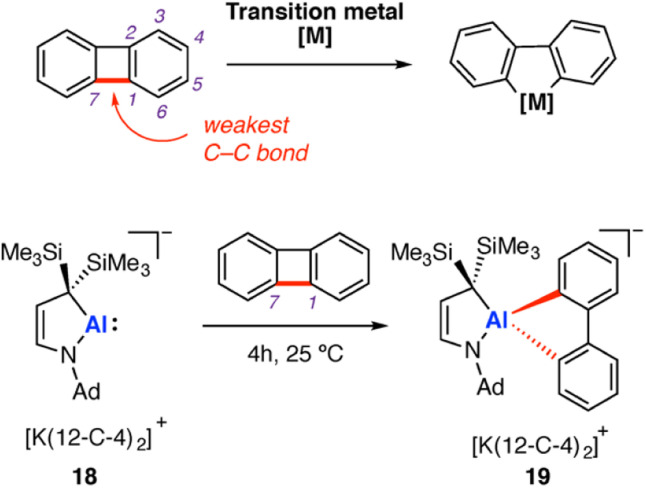
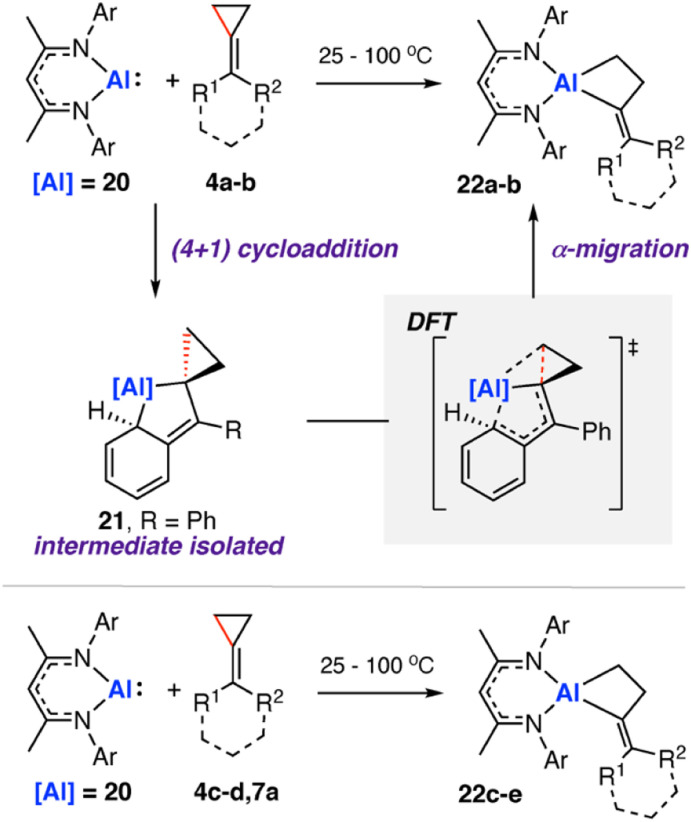
Examples of carbon-carbon bond activation reactions at Mg, Al, and Zn are described in this review. Several distinct mechanisms for C-C bond activation at these metals have been proposed, with the key C-C bond activation step occurring by (i) α-alkyl elimination, (ii) β-alkyl elimination, (iii) oxidative addition, or (iv) an electrocyclic reaction. Many of the known pathways involve an overall 2-electron redox process. Despite this, the direct oxidative addition of C-C bonds to these metals is relatively rare, instead most reactions occur through initial installation of the metal on a hydrocarbon scaffold ( by a cycloaddition reaction or hydrometallation) followed by an α-alkyl or β-alkyl elimination step. Emerging applications of Mg, Al, and Zn complexes as catalysts for the functionalisation of C-C bonds are also discussed.
本综述介绍了镁、铝和锌参与的碳-碳键活化反应实例。针对这些金属的碳-碳键活化,已提出了几种不同的机制,关键的碳-碳键活化步骤通过以下方式发生:(i) α-烷基消除;(ii) β-烷基消除;(iii) 氧化加成;或(iv) 电环化反应。许多已知途径涉及一个整体的2电子氧化还原过程。尽管如此,碳-碳键向这些金属的直接氧化加成相对较少见,相反,大多数反应是通过先将金属安装在烃骨架上(通过环加成反应或氢金属化),然后进行α-烷基或β-烷基消除步骤来进行的。还讨论了镁、铝和锌配合物作为碳-碳键官能化催化剂的新兴应用。