The Jackson Laboratory, 600 Main Street, Bar Harbor, ME 04609, USA.
Department of Experimental Genome Research, Research Institute for Microbial Diseases, Osaka University, Suita, Osaka 5650871, Japan.
Sci Adv. 2023 Oct 20;9(42):eadg0898. doi: 10.1126/sciadv.adg0898.
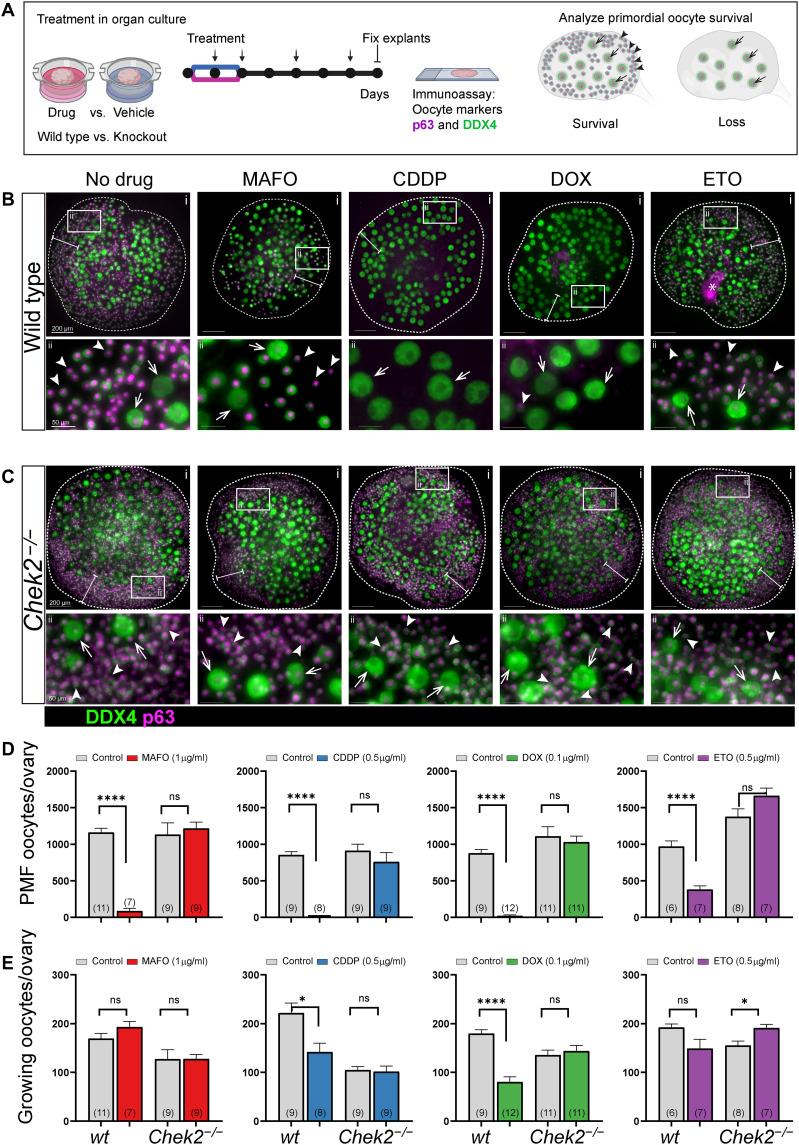
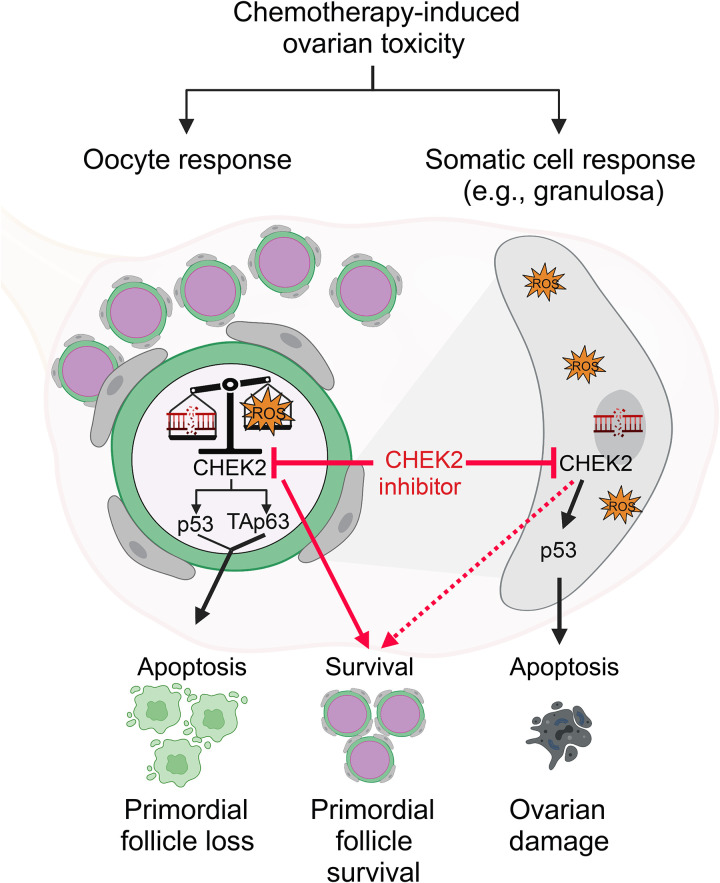
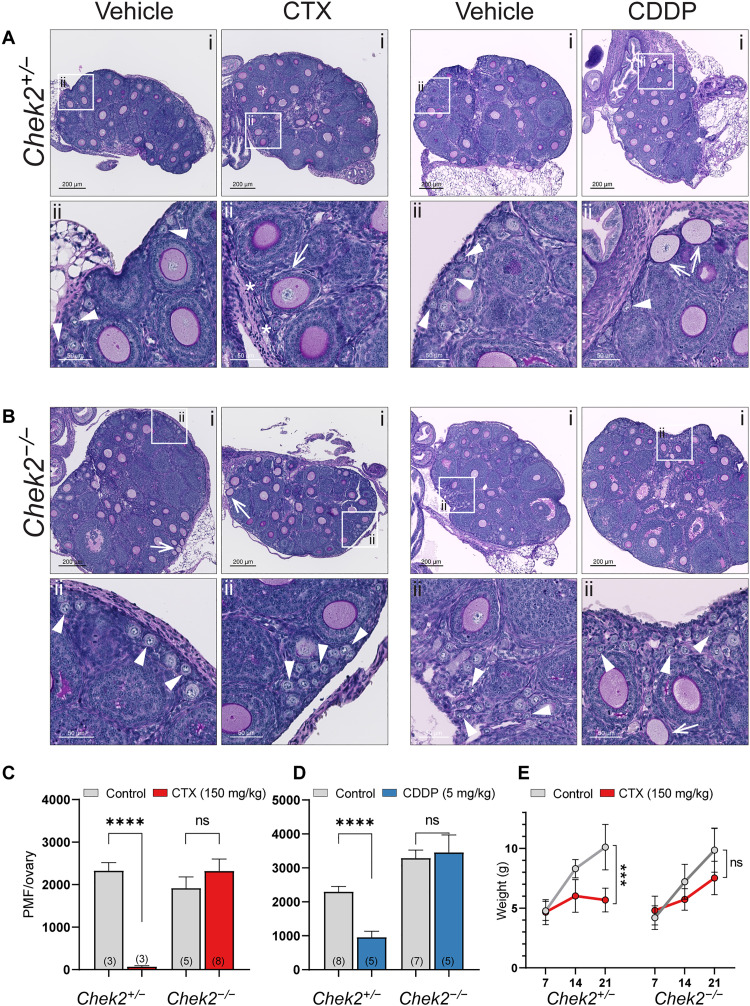
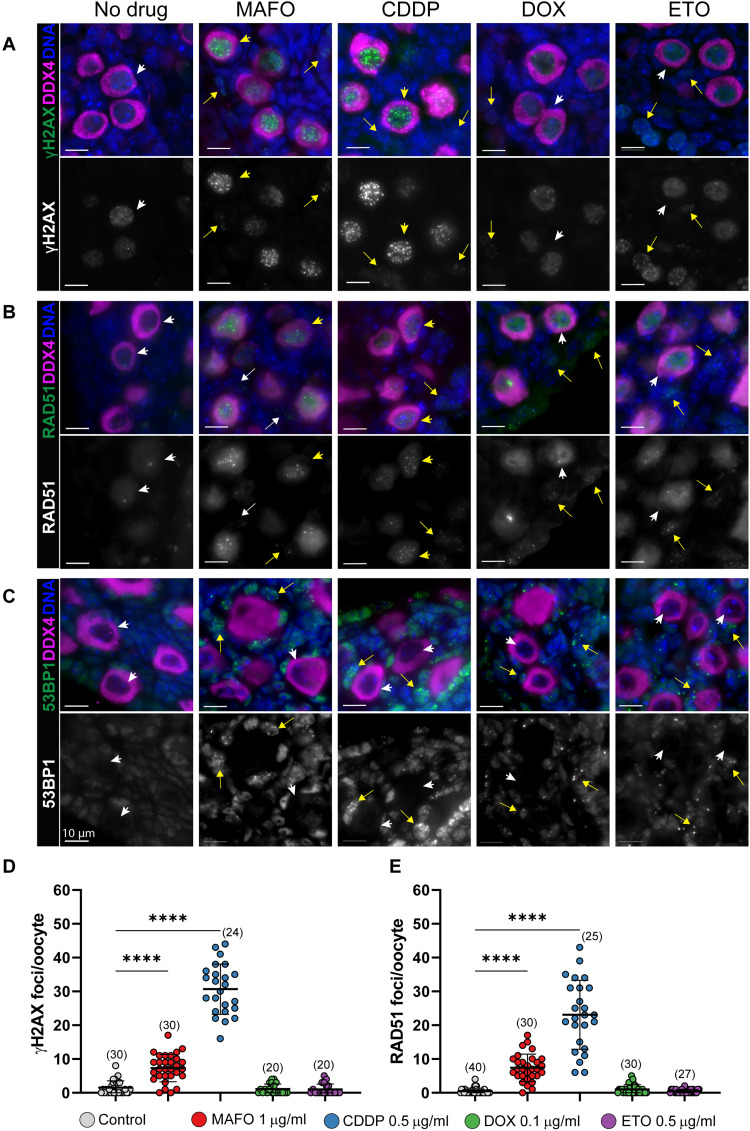
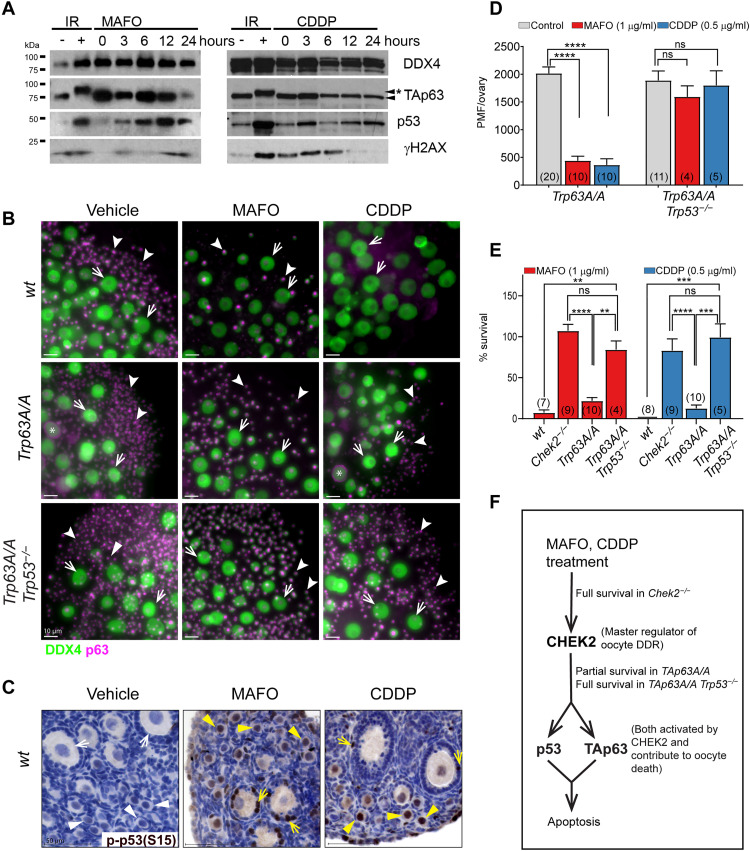
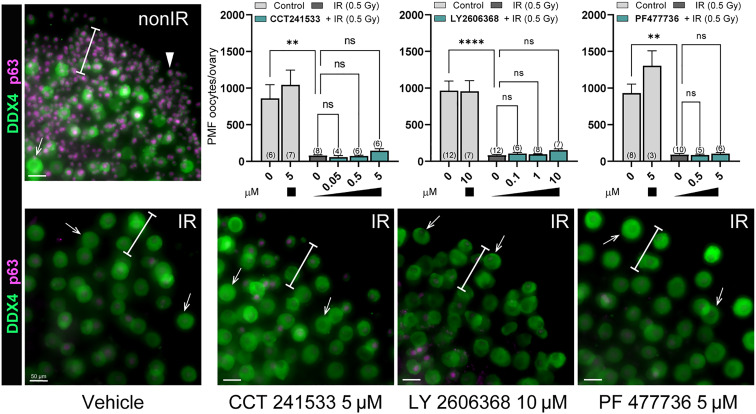
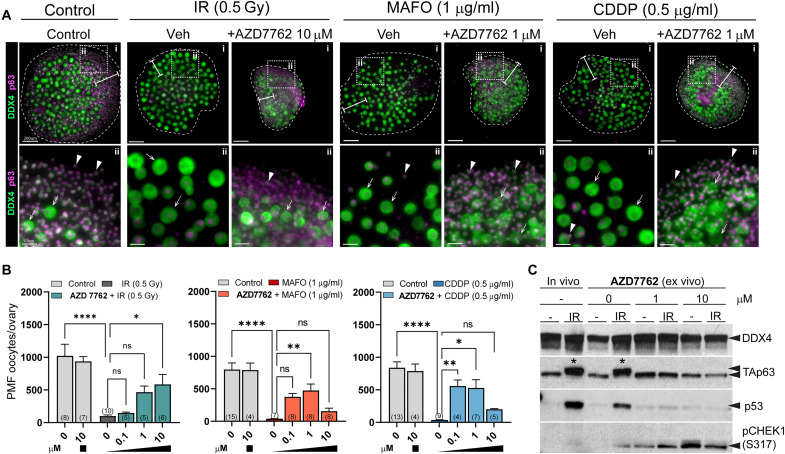
Cancer treatments can damage the ovarian follicle reserve, leading to primary ovarian insufficiency and infertility among survivors. Checkpoint kinase 2 (CHEK2) deficiency prevents elimination of oocytes in primordial follicles in female mice exposed to radiation and preserves their ovarian function and fertility. Here, we demonstrate that CHEK2 also coordinates the elimination of oocytes after exposure to standard-of-care chemotherapy drugs. CHEK2 activates two downstream targets-TAp63 and p53-which direct oocyte elimination. CHEK2 knockout or pharmacological inhibition preserved ovarian follicle reserve after radiation and chemotherapy. However, the lack of specificity for CHEK2 among available inhibitors limits their potential for clinical development. These findings demonstrate that CHEK2 is a master regulator of the ovarian cellular response to damage caused by radiation and chemotherapy and warrant the development of selective inhibitors specific to CHEK2 as a potential avenue for ovario-protective treatments.
癌症治疗会损害卵巢滤泡储备,导致幸存者原发性卵巢功能不全和不孕。检查点激酶 2 (CHEK2) 缺乏可防止暴露于辐射的雌性小鼠原始卵泡中的卵母细胞被清除,并保持其卵巢功能和生育能力。在这里,我们证明 CHEK2 还协调了暴露于标准护理化疗药物后卵母细胞的清除。CHEK2 激活两个下游靶点-TAp63 和 p53-,它们指导卵母细胞的清除。CHEK2 敲除或药理学抑制在辐射和化疗后保留了卵巢滤泡储备。然而,现有抑制剂中 CHEK2 的特异性不足限制了它们在临床开发中的潜力。这些发现表明 CHEK2 是辐射和化疗引起的卵巢细胞损伤反应的主要调节剂,因此需要开发针对 CHEK2 的选择性抑制剂,作为潜在的卵巢保护治疗途径。