Department of Immunology, St. Jude Children's Research Hospital, Memphis, TN, 38105, USA.
Biotechnology Research Center, Technology Innovation Institute, Abu Dhabi, P.O. Box 9639, United Arab Emirates.
Commun Biol. 2023 Oct 20;6(1):1071. doi: 10.1038/s42003-023-05414-9.
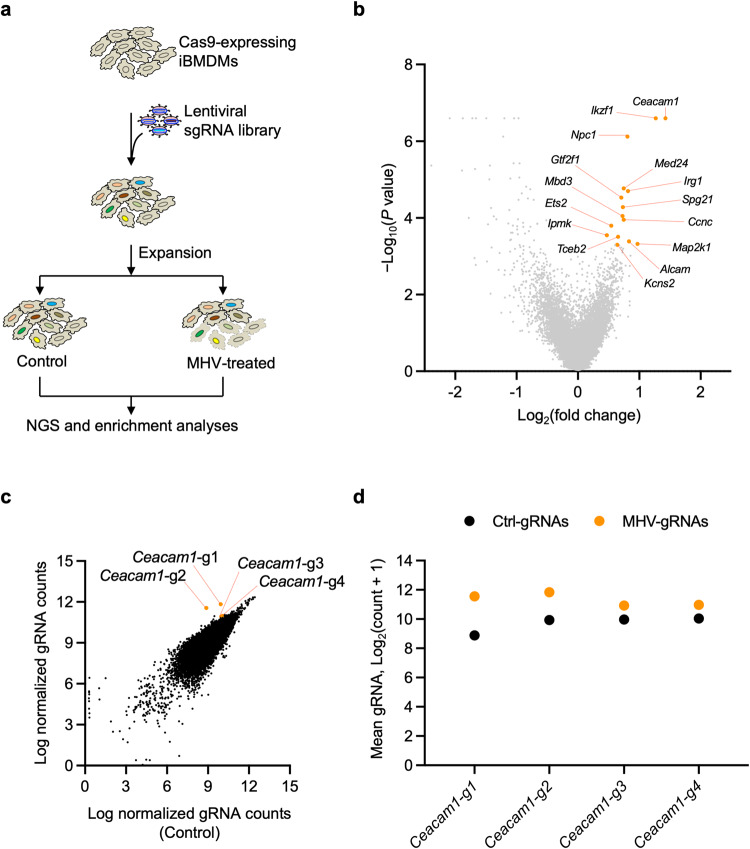
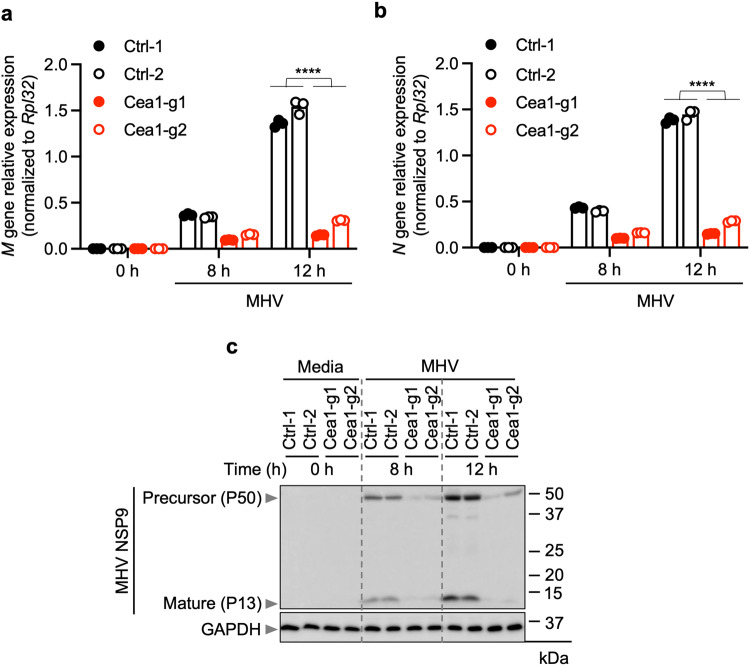
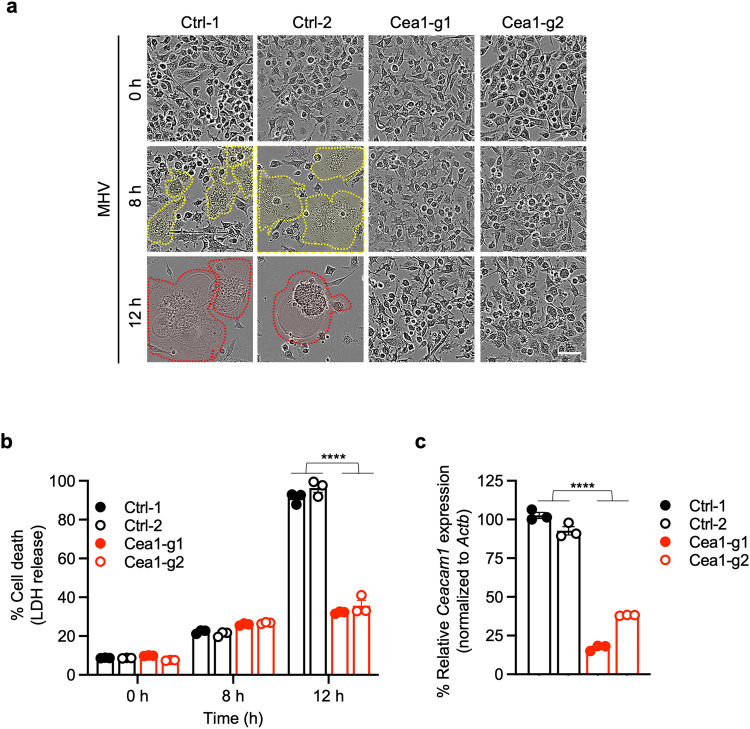
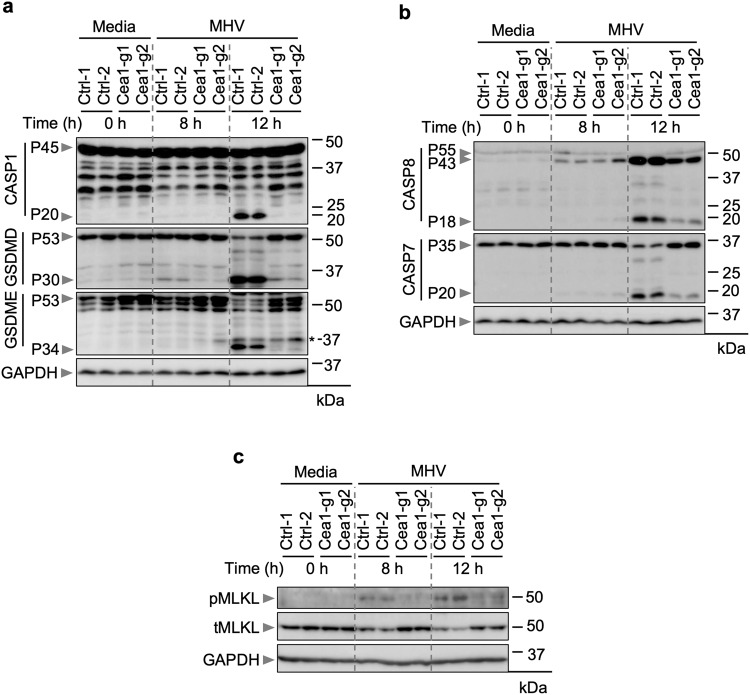
The COVID-19 pandemic, caused by the β-coronavirus (β-CoV) severe acute respiratory syndrome coronavirus 2 (SARS-CoV-2), continues to cause significant global morbidity and mortality. While vaccines have reduced the overall number of severe infections, there remains an incomplete understanding of viral entry and innate immune activation, which can drive pathology. Innate immune responses characterized by positive feedback between cell death and cytokine release can amplify the inflammatory cytokine storm during β-CoV-mediated infection to drive pathology. Therefore, there remains an unmet need to understand innate immune processes in response to β-CoV infections to identify therapeutic strategies. To address this gap, here we used an MHV model and developed a whole genome CRISPR-Cas9 screening approach to elucidate host molecules required for β-CoV infection and inflammatory cell death, PANoptosis, in macrophages, a sentinel innate immune cell. Our screen was validated through the identification of the known MHV receptor Ceacam1 as the top hit, and its deletion significantly reduced viral replication due to loss of viral entry, resulting in a downstream reduction in MHV-induced cell death. Moreover, this screen identified several other host factors required for MHV infection-induced macrophage cell death. Overall, these findings demonstrate the feasibility and power of using genome-wide PANoptosis screens in macrophage cell lines to accelerate the discovery of key host factors in innate immune processes and suggest new targets for therapeutic development to prevent β-CoV-induced pathology.
由β-冠状病毒(β-CoV)严重急性呼吸综合征冠状病毒 2(SARS-CoV-2)引起的 COVID-19 大流行继续造成全球重大发病率和死亡率。虽然疫苗减少了严重感染的总数,但对病毒进入和先天免疫激活的认识仍不完整,而这些可以驱动病理学。细胞死亡和细胞因子释放之间的正反馈为特征的先天免疫反应可以放大β-CoV 介导的感染期间的炎症细胞因子风暴,从而驱动病理学。因此,仍然需要了解先天免疫过程对β-CoV 感染的反应,以确定治疗策略。为了解决这一差距,我们在这里使用 MHV 模型并开发了全基因组 CRISPR-Cas9 筛选方法,以阐明β-CoV 感染和炎症性细胞死亡(PANoptosis)所需的宿主分子,巨噬细胞是先天免疫细胞的哨兵。我们的筛选通过鉴定已知的 MHV 受体 Ceacam1 作为最佳命中得到了验证,其缺失由于病毒进入的丧失而显著降低了病毒复制,从而导致 MHV 诱导的细胞死亡减少。此外,该筛选还鉴定了其他几种宿主因子,这些宿主因子对于 MHV 感染诱导的巨噬细胞死亡是必需的。总体而言,这些发现证明了在巨噬细胞系中使用全基因组 PANoptosis 筛选来加速发现先天免疫过程中的关键宿主因子的可行性和有效性,并为预防β-CoV 诱导的病理学提供了新的治疗靶点。