Multiple Sclerosis Association of Torrijos, Torrijos, Spain.
Toledo Physiotherapy Research Group (GIFTO), Faculty of Physiotherapy and Nursing of Toledo, Universidad de Castilla-La Mancha, Toledo, Spain.
J Neuroeng Rehabil. 2023 Oct 24;20(1):142. doi: 10.1186/s12984-023-01266-w.
Motor impairments are very common in neurological diseases such as multiple sclerosis. Noninvasive brain stimulation could influence the motor function of patients.
The aim of this meta-analysis was to evaluate the effectiveness of transcranial direct current stimulation (tDCS) on balance and gait ability in patients with multiple sclerosis. Additionally, a secondary aim was to compare the influence of the stimulation location of tDCS on current effectiveness.
A search was conducted for randomized controlled trials published up to May 2023 comparing the application of tDCS versus a sham or control group. The primary outcome variables were balance and gait ability.
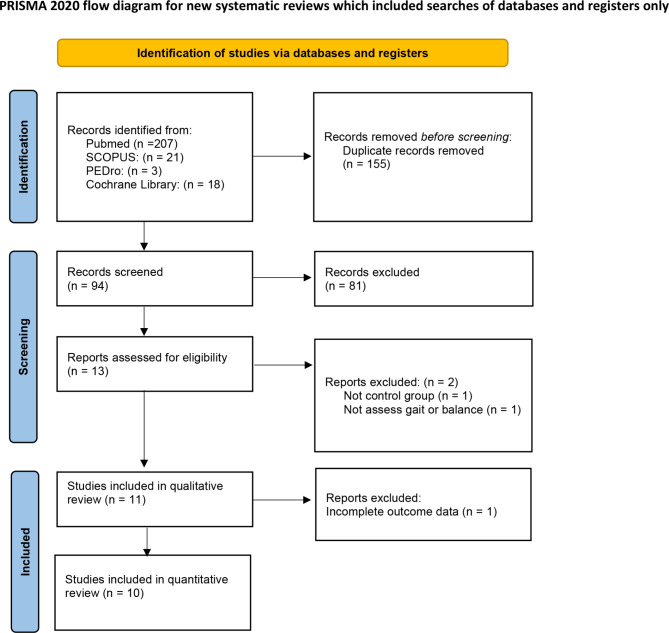
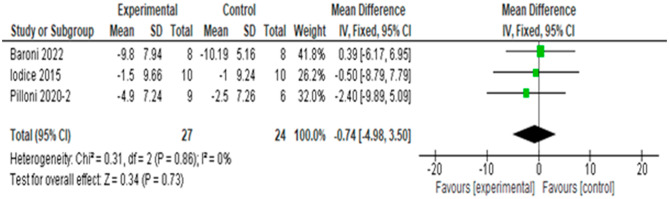
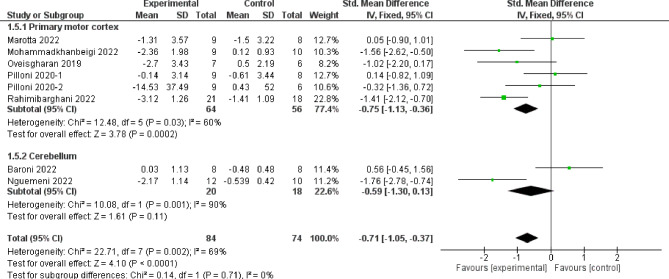
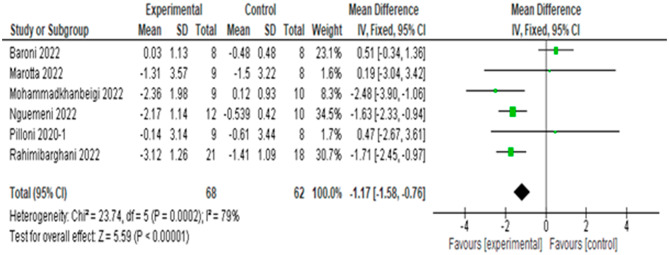
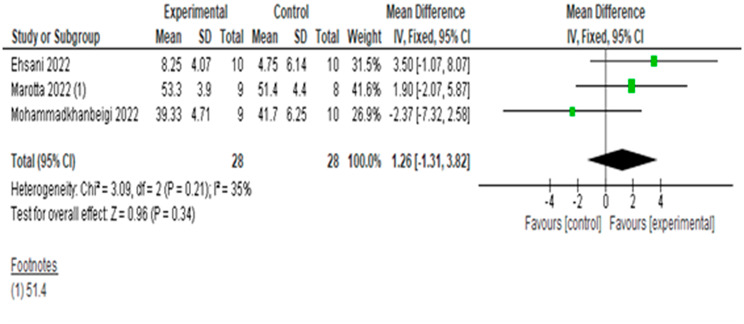
Eleven studies were included in the qualitative analysis, and ten were included in the quantitative analysis, which included 230 patients with multiple sclerosis. The average effect of tDCS on gait functionality was superior to that of the control group (SMD = -0.71; 95% CI, -1.05 to -0.37). However, the overall results of the tDCS vs. sham effect on static balance did not show significant differences between groups (MD = 1.26, 95% CI, -1.31 to 3.82). No significant differences were found when different locations of tDCS were compared.
These results reveal that tDCS is an effective treatment for improving gait ability with a low quality of evidence. However, the application of tDCS has no effect on static balance in patients with multiple sclerosis with very low quality of evidence. Similarly, there seems to be no difference regarding the stimulation area with tDCS.
运动障碍在多发性硬化等神经疾病中非常常见。非侵入性脑刺激可以影响患者的运动功能。
本荟萃分析旨在评估经颅直流电刺激(tDCS)对多发性硬化症患者平衡和步态能力的疗效。此外,我们还比较了 tDCS 刺激部位对当前疗效的影响。
我们检索了截至 2023 年 5 月发表的比较 tDCS 与假刺激或对照组的随机对照试验。主要结局变量是平衡和步态能力。
定性分析纳入 11 项研究,定量分析纳入 10 项研究,共纳入 230 例多发性硬化症患者。tDCS 对步态功能的平均影响优于对照组(SMD=-0.71;95%CI:-1.05 至-0.37)。然而,tDCS 与假刺激对静态平衡的总体影响在组间没有显著差异(MD=1.26;95%CI:-1.31 至 3.82)。当比较 tDCS 的不同位置时,没有发现显著差异。
这些结果表明,tDCS 是改善步态能力的有效治疗方法,证据质量低。然而,应用 tDCS 对多发性硬化症患者的静态平衡没有影响,证据质量非常低。同样,tDCS 刺激区域似乎也没有差异。