Perpetuini David, Russo Emanuele Francesco, Cardone Daniela, Palmieri Roberta, De Giacomo Andrea, Intiso Domenico, Pellicano Federica, Pellegrino Raffaello, Merla Arcangelo, Calabrò Rocco Salvatore, Filoni Serena
Department of Engineering and Geology, University G. D'Annunzio of Chieti-Pescara, 65127 Pescara, Italy.
Padre Pio Foundation and Rehabilitation Centers, 71013 San Giovanni Rotondo, Italy.
Brain Sci. 2023 Oct 22;13(10):1491. doi: 10.3390/brainsci13101491.
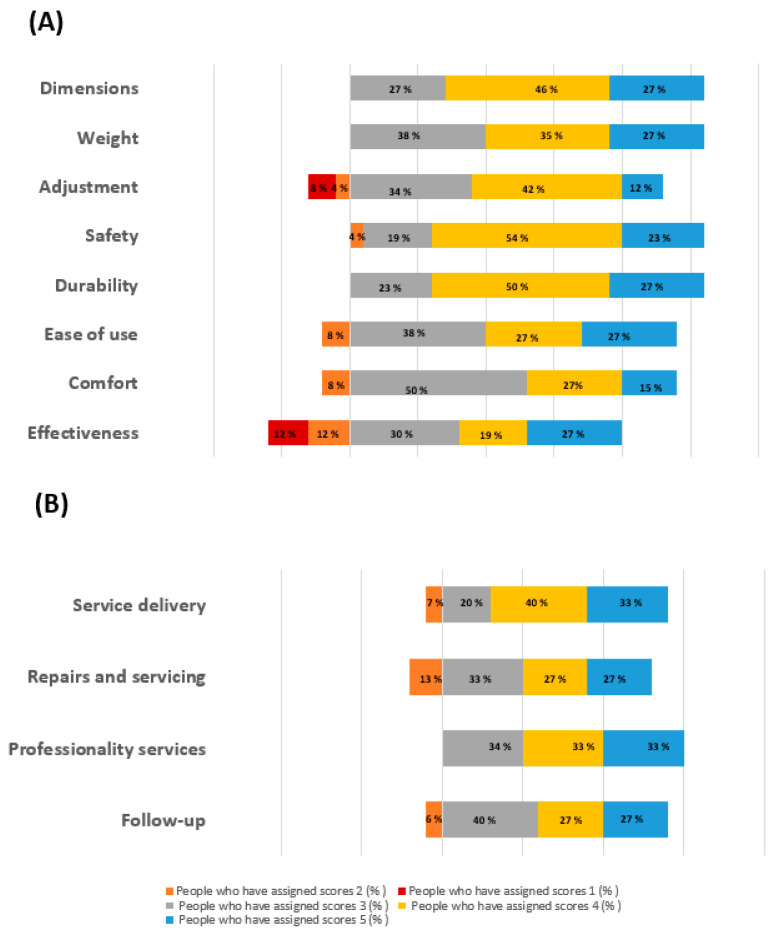
The aim of this study is to evaluate the effectiveness of electrosuit therapy in the clinical treatment of children with Cerebral Palsy, focusing on the effect of the therapy on spasticity and trunk control. Moreover, the compliance of caregivers with respect to the use of the tool was investigated. During the period ranging from 2019 to 2022, a total of 26 children (18 M and 8 F), clinically stable and affected by CP and attending the Neurorehabilitation Unit of the "Padre Pio Foundation and Rehabilitation Centers", were enrolled in this study. A subset of 12 patients bought or rented the device; thus, they received the administration of the EMS-based therapy for one month, whereas the others received only one-hour training to evaluate the feasibility (by the caregivers) and short-term effects. The Gross Motor Function Classification System was utilized to evaluate gross motor functions and to classify the study sample, while the MAS and the LSS were employed to assess the outcomes of the EMS-based therapy. Moreover, between 80% and 90% of the study sample were satisfied with the safety, ease of use, comfort, adjustment, and after-sales service. Following a single session of electrical stimulation with EMS, patients exhibited a statistically significant enhancement in trunk control. For those who continued this study, the subscale of the QUEST with the best score was adaptability (0.74 ± 0.85), followed by competence (0.67 ± 0.70) and self-esteem (0.59 ± 0.60). This study investigates the impact of the employment of the EMS on CP children's ability to maintain trunk control. Specifically, after undergoing a single EMS session, LSS showed a discernible improvement in children's trunk control. In addition, the QUEST and the PIADS questionnaires demonstrated a good acceptability and satisfaction of the garment by the patients and the caregivers.
本研究旨在评估电服疗法在脑瘫患儿临床治疗中的有效性,重点关注该疗法对痉挛和躯干控制的影响。此外,还调查了护理人员对该工具使用的依从性。在2019年至2022年期间,共有26名临床病情稳定、患有脑瘫且在“圣若翰洗者宗座基金会及康复中心”神经康复科就诊的儿童(18名男性和8名女性)纳入本研究。12名患者购买或租赁了该设备;因此,他们接受了为期一个月的基于电刺激肌肉疗法的治疗,而其他患者仅接受了一小时的培训,以评估(护理人员)该疗法的可行性和短期效果。采用粗大运动功能分类系统评估粗大运动功能并对研究样本进行分类,同时使用改良Ashworth量表和利物浦痉挛量表评估基于电刺激肌肉疗法的治疗效果。此外,80%至90%的研究样本对安全性、易用性、舒适度、调节性和售后服务感到满意。在接受一次电刺激肌肉疗法的电刺激后,患者的躯干控制能力有统计学意义的增强。对于继续参与本研究的患者,儿童残疾评估问卷得分最高的子量表是适应性(0.74±0.85),其次是能力(0.67±0.70)和自尊(0.59±0.60)。本研究调查了电刺激肌肉疗法对脑瘫患儿维持躯干控制能力的影响。具体而言,在接受一次电刺激肌肉疗法治疗后,利物浦痉挛量表显示儿童的躯干控制能力有明显改善。此外,儿童残疾评估问卷和小儿上肢精细运动功能评估量表问卷显示患者和护理人员对该服装的接受度和满意度良好。