Perpetuini David, Chiarelli Antonio Maria, Cardone Daniela, Filippini Chiara, Rinella Sergio, Massimino Simona, Bianco Francesco, Bucciarelli Valentina, Vinciguerra Vincenzo, Fallica Piero, Perciavalle Vincenzo, Gallina Sabina, Conoci Sabrina, Merla Arcangelo
Department of Neuroscience, Imaging and Clinical Sciences, Institute for Advanced Biomedical Technologies, University of Chieti-Pescara, Chieti, Italy.
Physiology Section, Department of Biomedical and Biotechnological Sciences, University of Catania, Catania, Italy.
PeerJ. 2021 Jan 15;9:e10448. doi: 10.7717/peerj.10448. eCollection 2021.
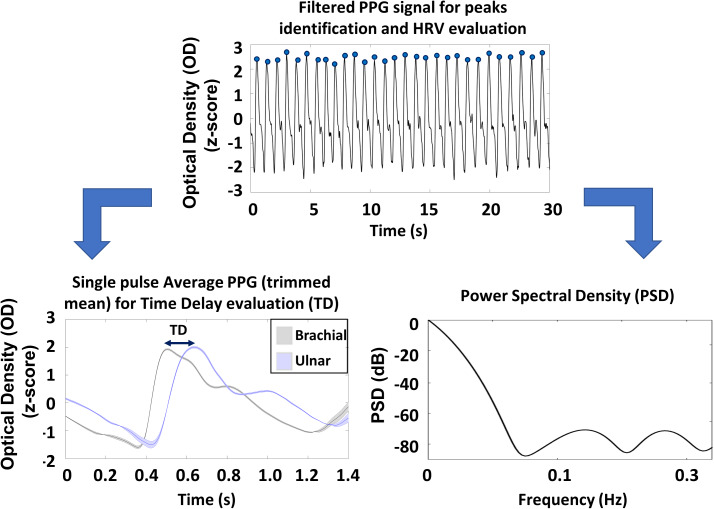
As the human behavior is influenced by both cognition and emotion, affective computing plays a central role in human-machine interaction. Algorithms for emotions recognition are usually based on behavioral analysis or on physiological measurements (e.g., heart rate, blood pressure). Among these physiological signals, pulse wave propagation in the circulatory tree can be assessed through photoplethysmography (PPG), a non-invasive optical technique. Since pulse wave characteristics are influenced by the cardiovascular status, which is affected by the autonomic nervous activity and hence by the psychophysiological state, PPG might encode information about emotional conditions. The capability of a multivariate data-driven approach to estimate state anxiety (SA) of healthy participants from PPG features acquired on the brachial and radial artery was investigated.
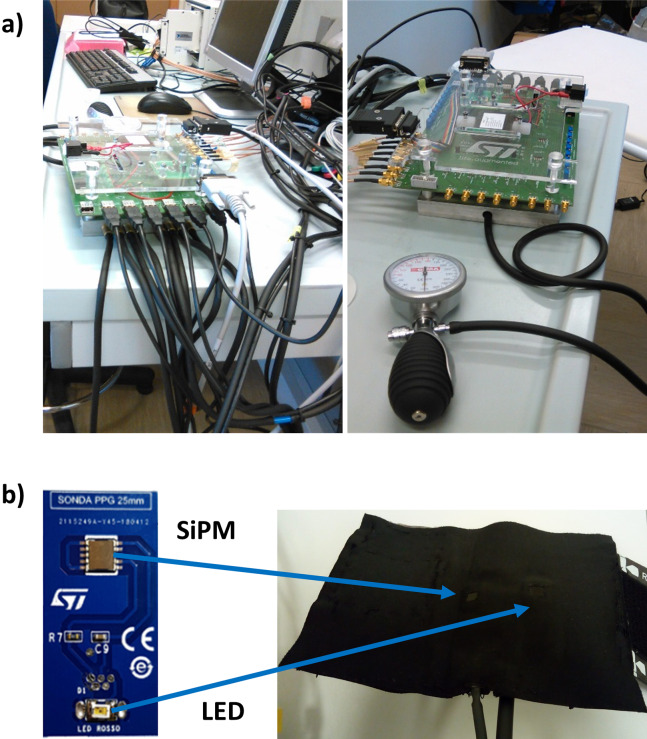
The machine learning method was based on General Linear Model and supervised learning. PPG was measured employing a custom-made system and SA of the participants was assessed through the State-Trait Anxiety Inventory (STAI-Y) test.
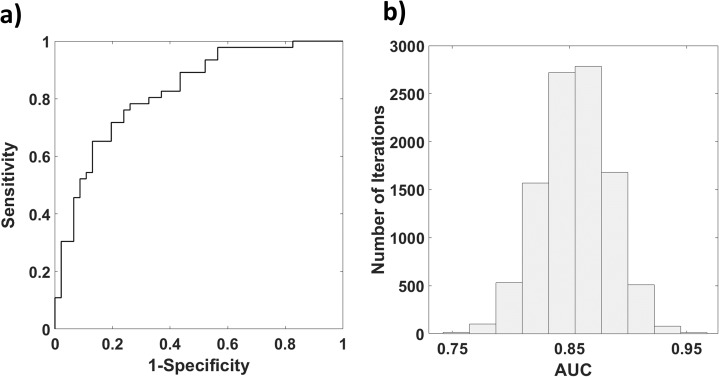
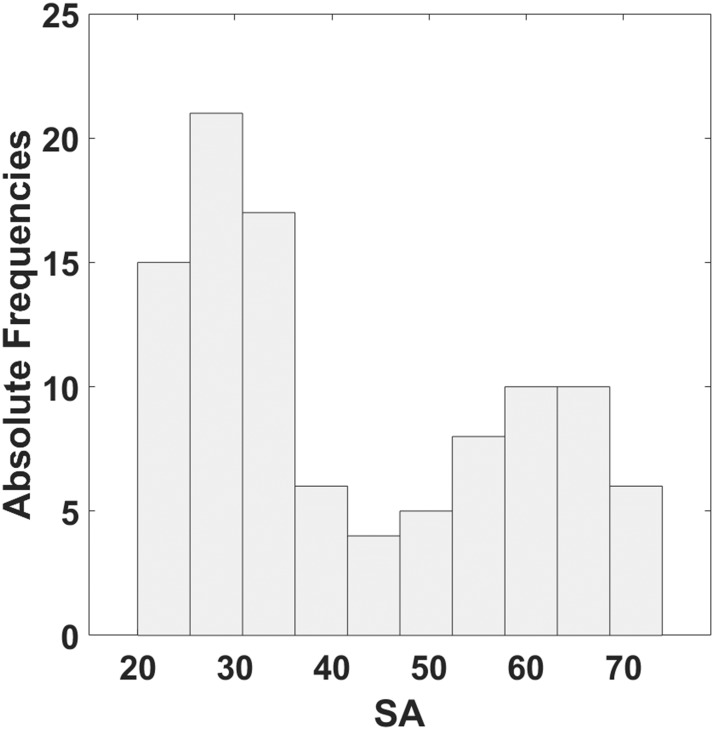
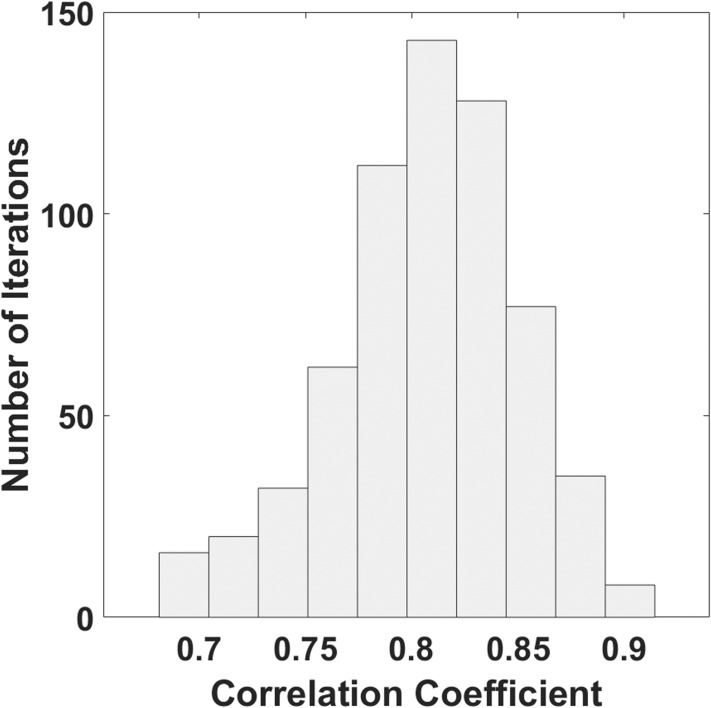
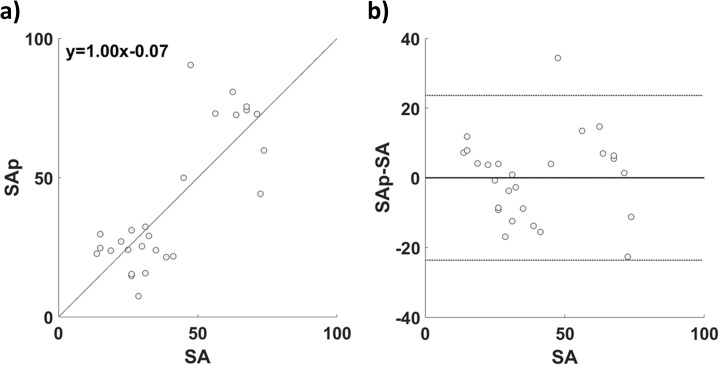
A leave-one-out cross-validation framework showed a good correlation between STAI-Y score and the SA predicted by the machine learning algorithm ( = 0.81; = 1.87∙10). The preliminary results suggested that PPG can be a promising tool for emotions recognition, convenient for human-machine interaction applications.
由于人类行为受认知和情感的双重影响,情感计算在人机交互中起着核心作用。情感识别算法通常基于行为分析或生理测量(如心率、血压)。在这些生理信号中,循环系统中脉搏波的传播可以通过光电容积脉搏波描记法(PPG)进行评估,这是一种非侵入性光学技术。由于脉搏波特征受心血管状态影响,而心血管状态又受自主神经活动影响,进而受心理生理状态影响,PPG可能编码有关情绪状态的信息。本研究探讨了一种多变量数据驱动方法根据在肱动脉和桡动脉采集的PPG特征估计健康参与者状态焦虑(SA)的能力。
机器学习方法基于一般线性模型和监督学习。使用定制系统测量PPG,并通过状态-特质焦虑量表(STAI-Y)测试评估参与者的SA。
留一法交叉验证框架显示STAI-Y评分与机器学习算法预测的SA之间具有良好的相关性(=0.81;=1.87∙10)。初步结果表明,PPG可能是一种有前途的情感识别工具,便于人机交互应用。