Barqawi Hiba Jawdat, Samara Kamel A, Al Chame Hanae Qousae, Al Shyyab Ibrahim Marouf, Almaazmi Mariam A
Department of Clinical Sciences, College of Medicine, University of Sharjah, Sharjah 27272, United Arab Emirates.
Children (Basel). 2023 Sep 30;10(10):1636. doi: 10.3390/children10101636.
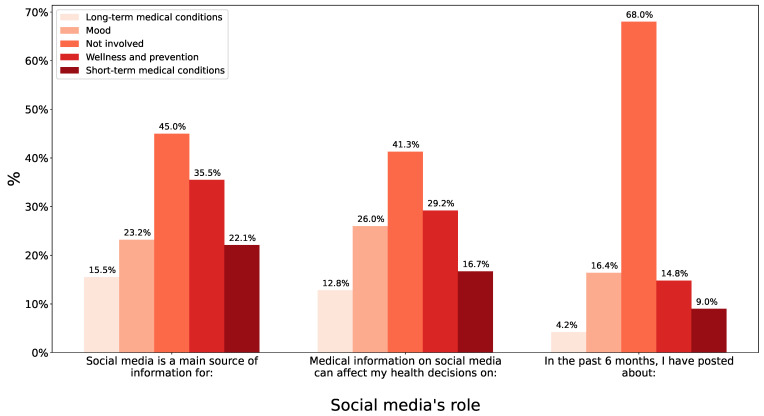
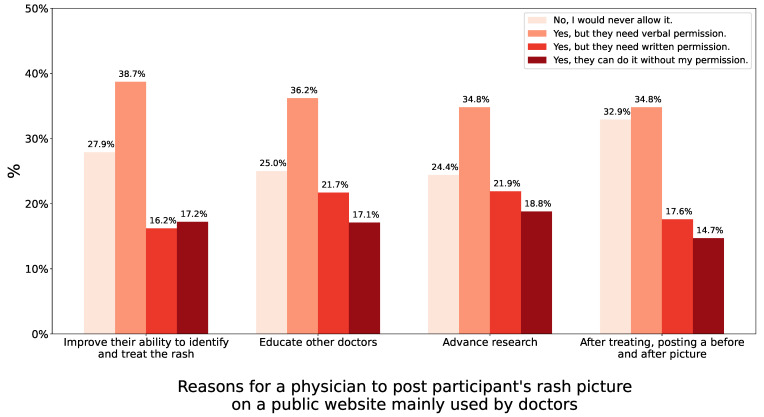
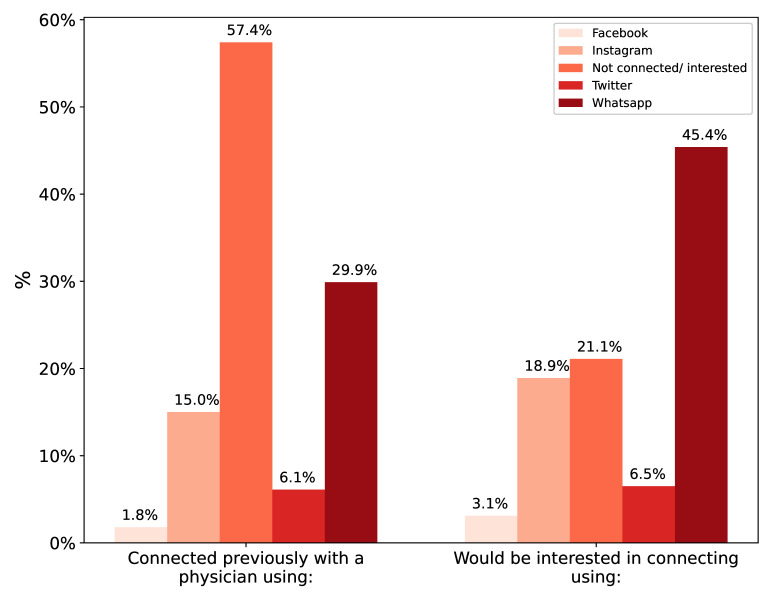
During the COVID-19 pandemic and in the years after, adolescents' and young adults' (AYAs) usage of social media increased. Social media has been shown to influence both the physical and mental behaviour of AYAs. The Emirates' AYAs are among the world's heaviest consumers of social media. This study aims to explore the usage of social media networks by AYAs for sharing and looking up health information, as well as interacting with local health systems, with a special focus on doctors and social media. This cross-sectional, descriptive study was used to collect comprehensive data from Arabic- and English-speaking Emirati students in grades 7 through 12 and university students between the months of December 2022 and April 2023. A total of 876 out of 930 responses were included. Of the responses, 27.71% were university students, with another 46.46% in grades 11 and 12. Three-fourths had a hospital or clinic visit in the last 6 months and 79.11% had good health perception. Smartphones were the most commonly used devices, at 92.12%. A total of 74.7% reported being able to obtain useful health information, with 40% having had a health decision influenced by it. Posting information on social media was not common, with only 32% posting such content (most commonly mood-related). Health information on social media by health authorities was considered the most trustworthy, with celebrities being the least trustworthy. More than half of AYAs searched for a physician before a visit, and the majority would not mind having a rash picture being posted on a public website if consent (verbal or written) was taken. Social media can influence the various health decisions an AYA might take and which doctors they might choose to see. Physicians should consider their presence and the content they present on social media carefully.
在新冠疫情期间及之后的几年里,青少年和青年(AYAs)对社交媒体的使用有所增加。社交媒体已被证明会影响青少年和青年的身心行为。阿联酋的青少年和青年是全球社交媒体使用最为频繁的群体之一。本研究旨在探讨青少年和青年使用社交媒体网络分享和查找健康信息,以及与当地卫生系统互动的情况,特别关注医生和社交媒体。这项横断面描述性研究于2022年12月至2023年4月期间,从7至12年级讲阿拉伯语和英语的阿联酋学生以及大学生中收集全面数据。930份回复中共有876份被纳入。在这些回复中,27.71%是大学生,另有46.46%是11年级和12年级的学生。四分之三的人在过去6个月内去过医院或诊所,79.11%的人对健康状况有良好认知。智能手机是最常用的设备,占92.12%。共有74.7%的人报告能够获取有用的健康信息,其中40%的人的健康决策受到了其影响。在社交媒体上发布信息并不常见,只有32%的人发布过此类内容(最常见的是与情绪相关的内容)。卫生当局在社交媒体上发布的健康信息被认为最值得信赖,名人发布的则最不值得信赖。超过一半的青少年和青年在就诊前会搜索医生,并且如果获得(口头或书面)同意,大多数人不介意在公共网站上发布皮疹图片。社交媒体会影响青少年和青年可能做出的各种健康决策以及他们可能选择就诊的医生。医生应谨慎考虑自己在社交媒体上的形象以及所呈现的内容。