Laboratory of Primary Health Care, School of Health Rehabilitation Sciences, University of Patras, 26504 Patras, Greece.
Department of Speech and Language Therapy, School of Health Rehabilitation Sciences, University of Patras, 26504 Patras, Greece.
Medicina (Kaunas). 2023 Sep 28;59(10):1737. doi: 10.3390/medicina59101737.
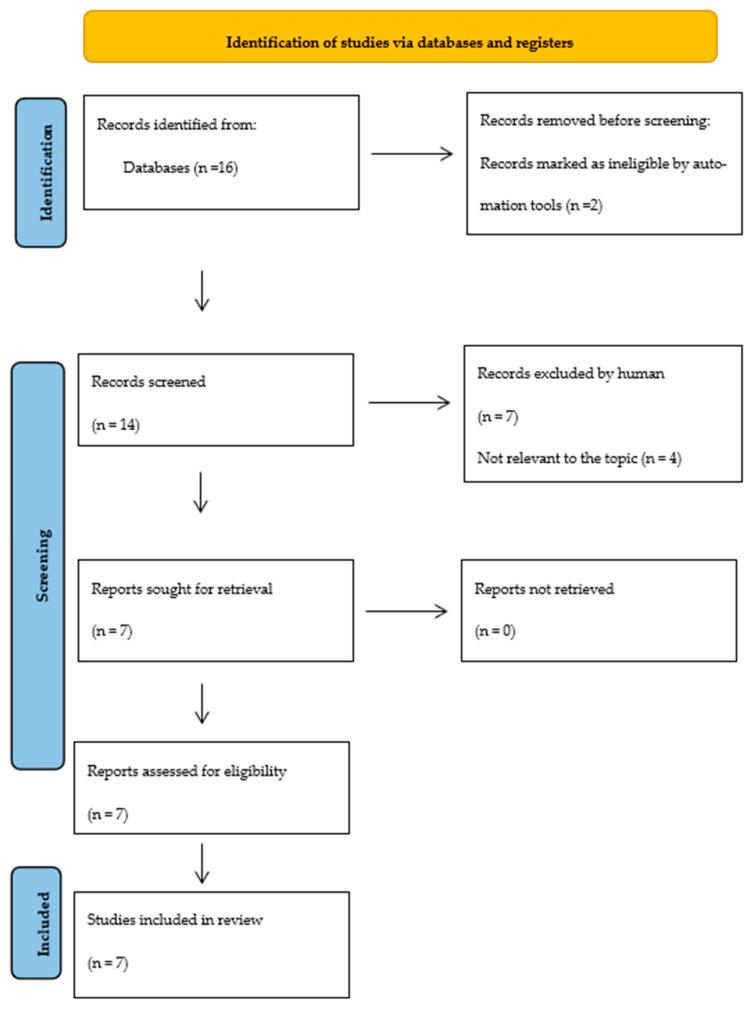
Transcutaneous electrical nerve stimulation (TENS), a pain-alleviating and muscle-relaxing treatment used in physio-therapeutic clinical practice, has recently appeared to be just as effective in dysphonia. This review aimed at clarifying whether TENS can be an effective practice in dysphonia therapy and/or management on its own or combined with other types of interventions and, hence, whether its practice can be a useful, more widespread establishment to speech and language therapy intervention methods. A search was conducted on the PubMed database using specific terms based on the PICO search strategy. Eventually, four randomized controlled studies and four clinical trials were included. The methodological quality of the included studies was evaluated using the physiotherapy evidence-based database (PEDro) assessment tool, and this indicated high-quality research with an average score of 8.43. The studies utilized various TENS devices, predominantly the Dualpex 961 device (frequency of 10 Hz, phase of 200 ms). The assessment methods varied, including auditory perception, vocal therapy, electrostimulation, audio and video perceptual assessments, and laryngeal evaluations. The clinical outcomes of TENS showed a reduction in musculoskeletal pain in various areas, while the acoustic analysis results were significant in only one study. TENS was compared to manual laryngeal therapy (LMT), placebo TENS, and vocal therapy in different studies with mixed results. This review supports the idea that a multidimensional approach, incorporating various therapeutic modalities (TENS, LMT, speech therapy, and vocal training) can yield positive outcomes for patients with voice disorders. Further research is needed to explore the specific mechanisms of action and optimal treatment protocols for TENS in voice therapy.
经皮神经电刺激(TENS)是一种在物理治疗临床实践中用于缓解疼痛和放松肌肉的治疗方法,最近在发声障碍中似乎同样有效。本综述旨在阐明 TENS 是否可以单独或与其他类型的干预措施结合使用,成为一种有效的发声障碍治疗和/或管理方法,以及其治疗方法是否可以成为言语和语言治疗干预方法的一种有用且更广泛的应用。我们在 PubMed 数据库中使用基于 PICO 搜索策略的特定术语进行了搜索。最终纳入了四项随机对照研究和四项临床试验。使用物理治疗循证数据库(PEDro)评估工具评估纳入研究的方法学质量,结果表明这些研究为高质量研究,平均得分为 8.43。这些研究使用了各种 TENS 设备,主要是 Dualpex 961 设备(频率为 10 Hz,相位为 200 ms)。评估方法各不相同,包括听觉感知、嗓音治疗、电刺激、音频和视频感知评估以及喉部评估。TENS 的临床结果显示在各个区域的肌肉骨骼疼痛减轻,而仅有一项研究的声学分析结果有显著差异。在不同的研究中,TENS 与手动喉部治疗(LMT)、安慰剂 TENS 和嗓音治疗进行了比较,结果喜忧参半。本综述支持这样一种观点,即多维度方法,包括各种治疗方式(TENS、LMT、言语治疗和嗓音训练)可以为嗓音障碍患者带来积极的结果。需要进一步的研究来探索 TENS 在嗓音治疗中的具体作用机制和最佳治疗方案。