Department of Bioenvironmental Systems Engineering, National Taiwan University, Taipei 10617, Taiwan.
Department of Life Science, School of Life Science, College of Science, National Taiwan Normal University, Taipei 11677, Taiwan.
Int J Mol Sci. 2023 Oct 23;24(20):15471. doi: 10.3390/ijms242015471.
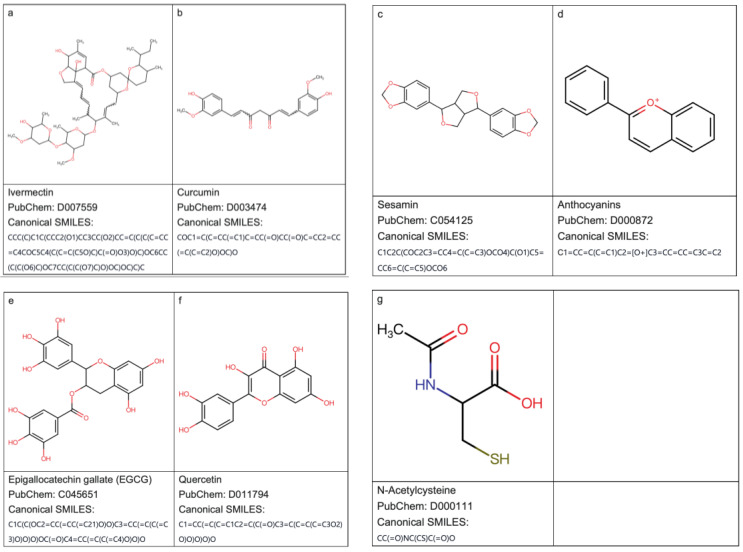
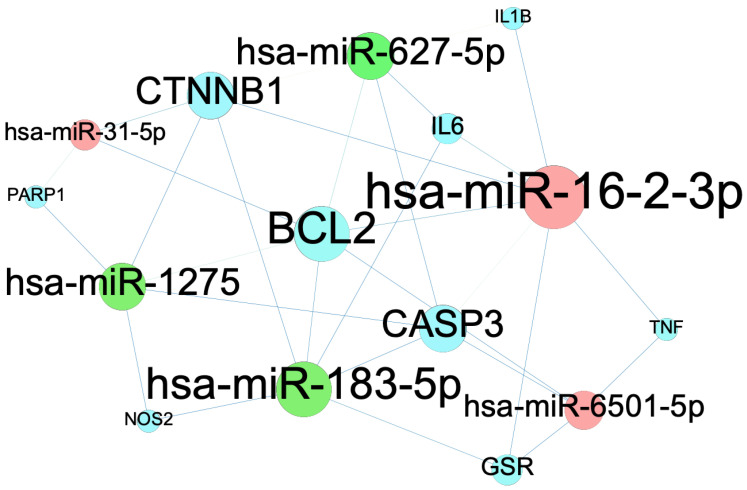
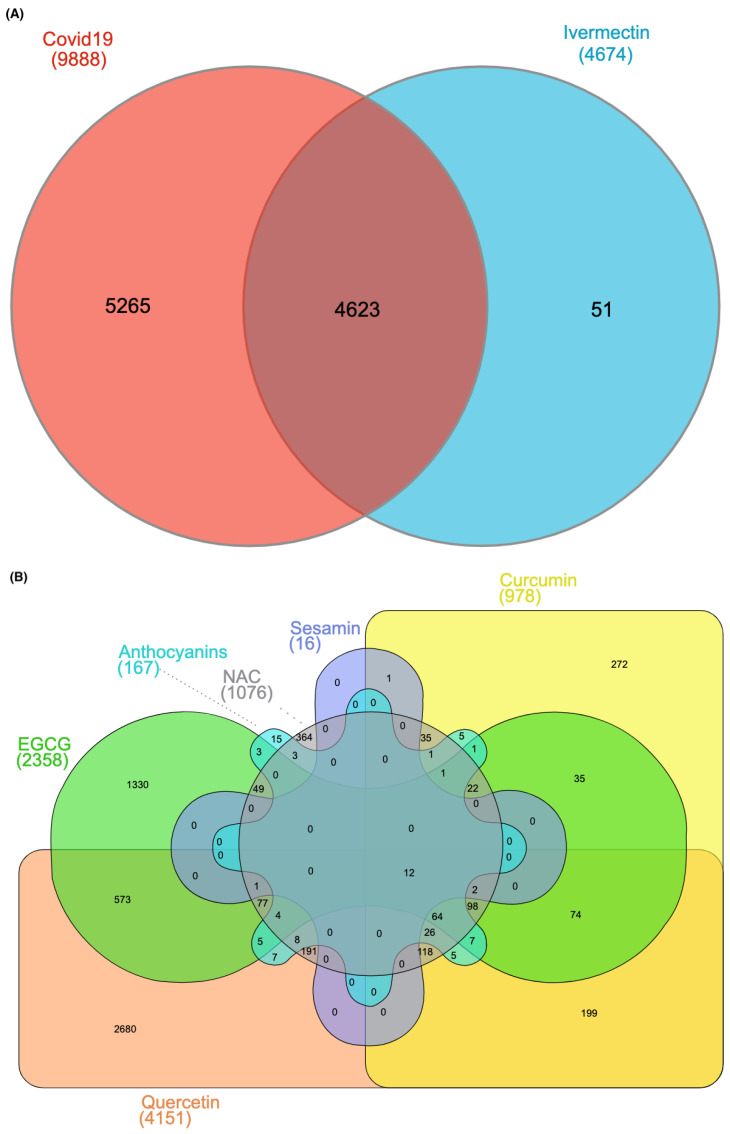
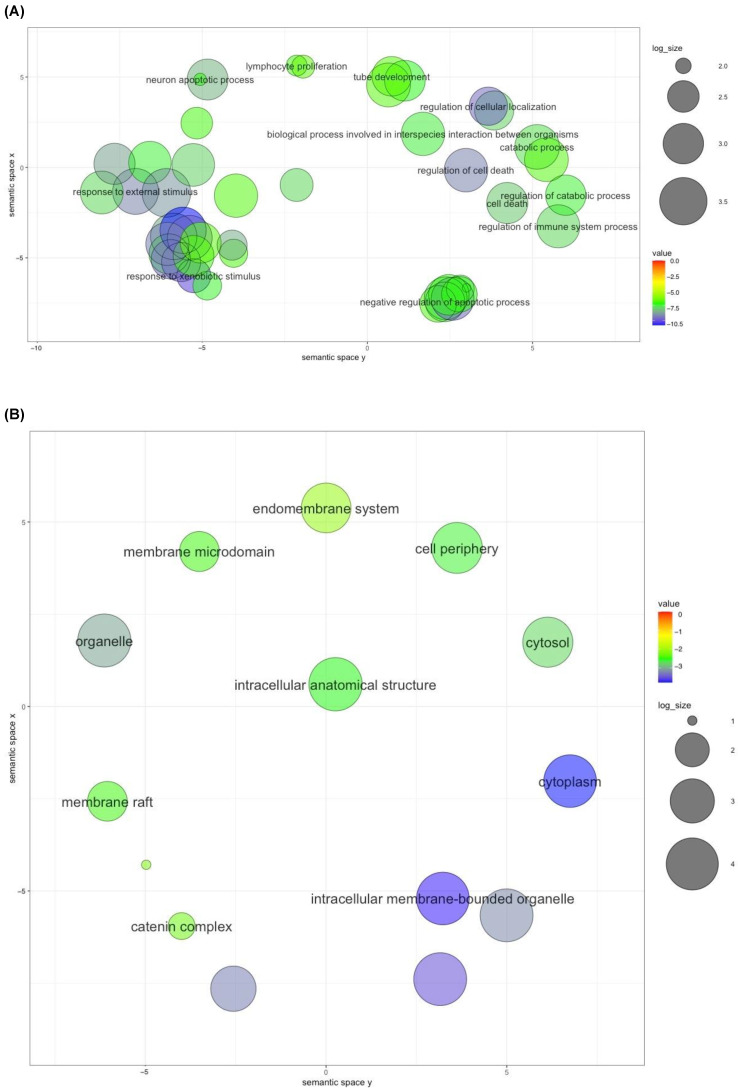
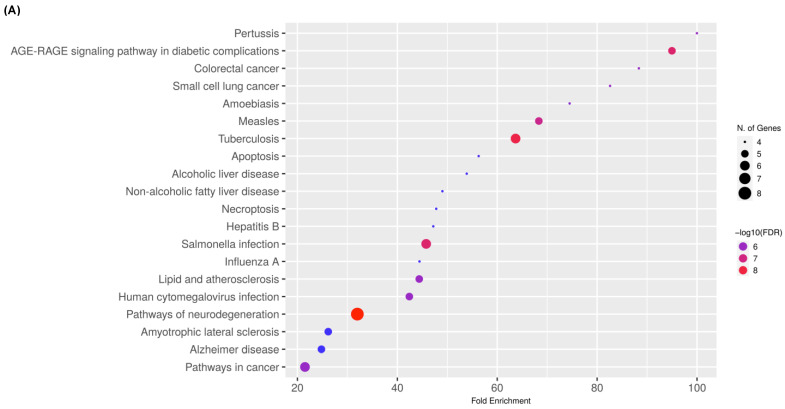
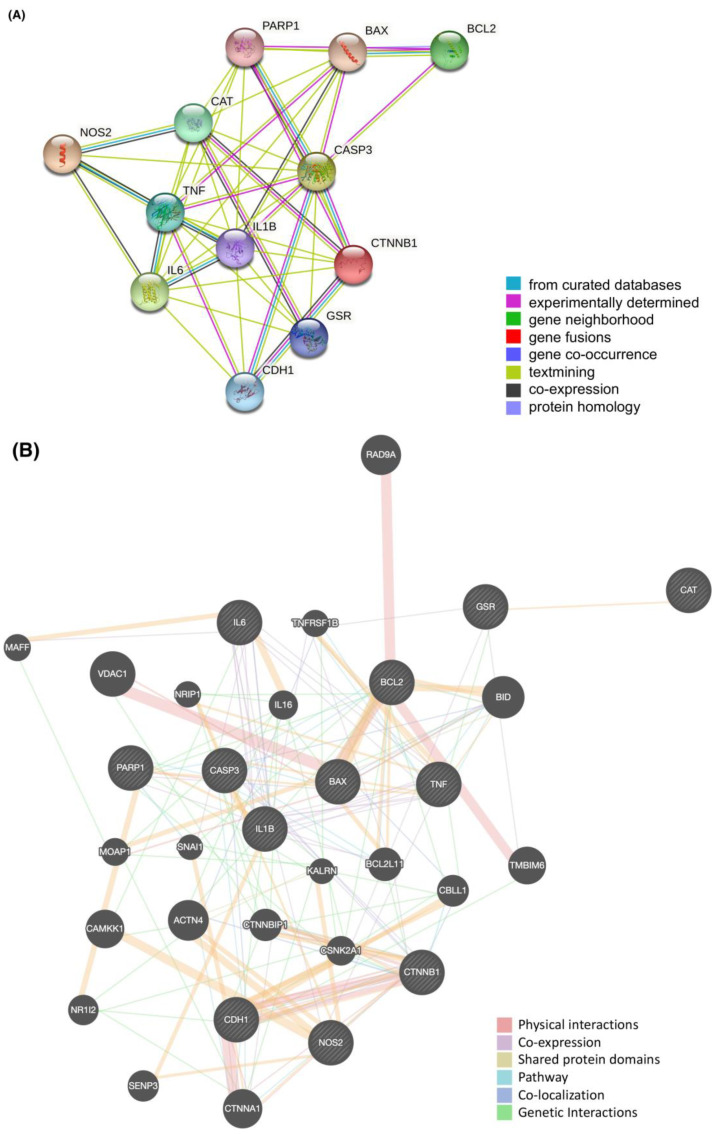
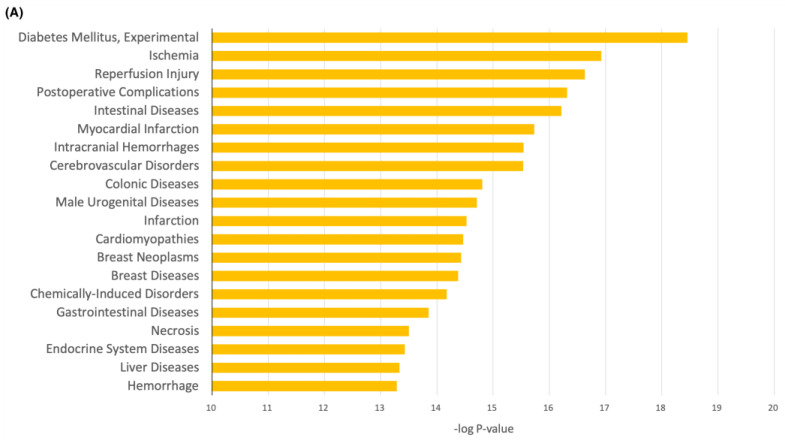
COVID-19 pandemic has caused widespread panic and fear among the global population. As such, repurposing drugs are being used as viable therapeutic options due to the limited effective treatments for Long COVID symptoms. Ivermectin is one of the emerging repurposed drugs that has been shown effective to have antiviral effects in clinical trials. In addition, antioxidant compounds are also gaining attention due to their capabilities of reducing inflammation and severity of symptoms. Due to the absence of knowledge in pharmacogenomics and modes of actions in the human body for these compounds, this study aims to provide a pharmacogenomic profile for the combination of ivermectin and six selected antioxidants (epigallocatechin gallate (EGCG), curcumin, sesamin, anthocyanins, quercetin, and N-acetylcysteine (NAC)) as potentially effective regimens for long COVID symptoms. Results showed that there were 12 interacting genes found among the ivermectin, 6 antioxidants, and COVID-19. For network pharmacology, the 12 common interacting genes/proteins had the highest associations with Pertussis pathway, AGE-RAGE signaling pathway in diabetic complications, and colorectal cancer in the Kyoto Encyclopedia of Genes and Genomes (KEGG) analyses. Disease analyses also revealed that the top three relevant diseases with COVID-19 infections were diabetes mellitus, ischemia, reperfusion injury. We also identified 6 potential target microRNAs (miRNAs) of the 12 commonly curated genes used as molecular biomarkers for COVID-19 treatments. The established pharmacogenomic network, disease analyses, and identified miRNAs could facilitate developments of effective regimens for chronic sequelae of COVID-19 especially in this post-pandemic era. However, further studies and clinical trials are needed to substantiate the effectiveness and dosages for COVID-19 treatments.
COVID-19 大流行在全球范围内引起了广泛的恐慌和恐惧。因此,由于针对 Long COVID 症状的有效治疗方法有限,人们正在将药物重新用于治疗。伊维菌素是一种新兴的再利用药物,临床试验表明它具有抗病毒作用。此外,抗氧化剂化合物也因其具有减轻炎症和症状严重程度的能力而受到关注。由于缺乏这些化合物在人体中的药物基因组学和作用模式的知识,本研究旨在为伊维菌素和六种选定的抗氧化剂(表没食子儿茶素没食子酸酯 (EGCG)、姜黄素、芝麻素、花青素、槲皮素和 N-乙酰半胱氨酸 (NAC))的组合提供药物基因组学特征,作为治疗 Long COVID 症状的潜在有效方案。结果表明,在伊维菌素、6 种抗氧化剂和 COVID-19 之间发现了 12 个相互作用的基因。对于网络药理学,这 12 个共同相互作用的基因/蛋白质与百日咳途径、糖尿病并发症中的 AGE-RAGE 信号通路和京都基因与基因组百科全书 (KEGG) 分析中的结直肠癌具有最高的关联。疾病分析还表明,与 COVID-19 感染相关的前三种相关疾病是糖尿病、缺血、再灌注损伤。我们还确定了 12 个常用 curated 基因的 6 个潜在靶标 microRNAs (miRNAs),用作 COVID-19 治疗的分子生物标志物。建立的药物基因组学网络、疾病分析和鉴定的 miRNAs 可以促进 COVID-19 特别是在后大流行时代的慢性后遗症的有效治疗方案的发展。然而,还需要进一步的研究和临床试验来证实 COVID-19 治疗的有效性和剂量。