Baltă George, Cristache Georgiana, Barac Andreea Diana, Anton Nicoleta, Barac Ileana Ramona
Doctoral School, University of Medicine and Pharmacy "Carol Davila" Bucharest, 050474 Bucharest, Romania.
Faculty of Medicine, University of Medicine and Pharmacy "Carol Davila" Bucharest, 050474 Bucharest, Romania.
Life (Basel). 2023 Sep 30;13(10):2000. doi: 10.3390/life13102000.
Leber's hereditary optic neuropathy (LHON) is a rare disease. Large studies are difficult to conduct; therefore, case reports provide valuable data. Since 2015, patients have been treated with Idebenone. The aim of this paper is to share our experience with diagnosing and managing patients in different stages of LHON.
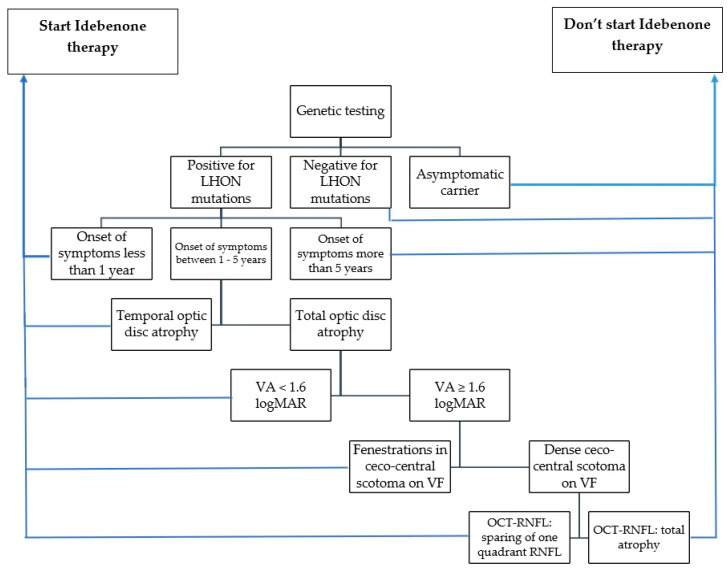
We designed a case series study, including four patients undergoing genetic testing and ophthalmologic examination. Criteria for Idebenone administration and follow-up were presented.
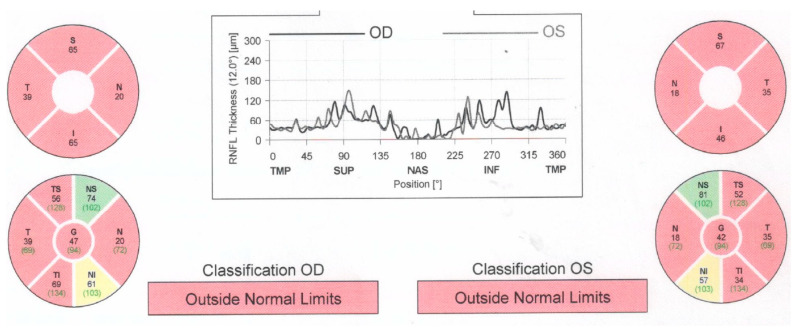
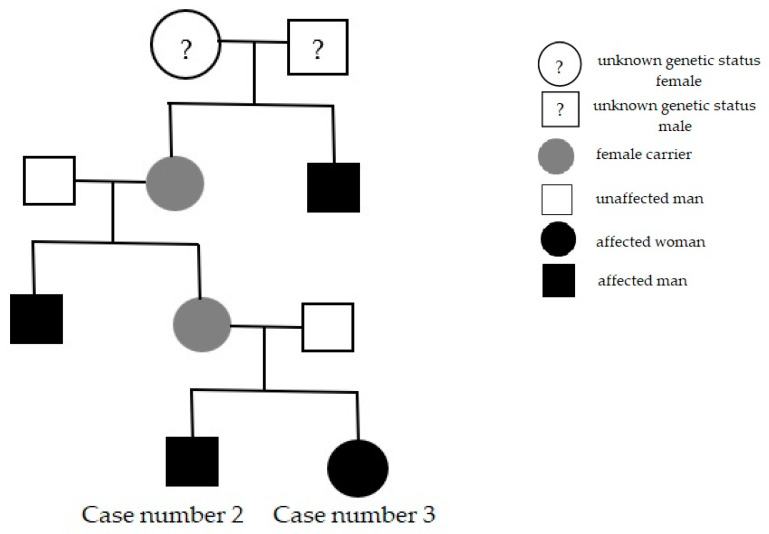
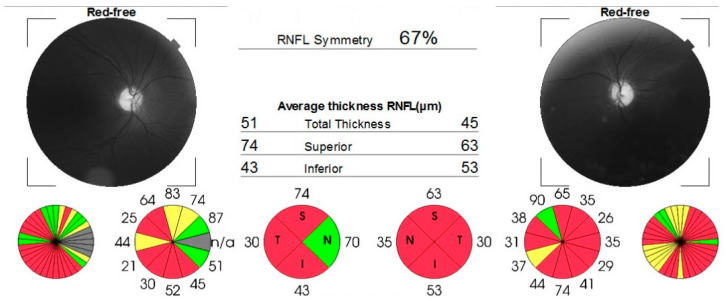
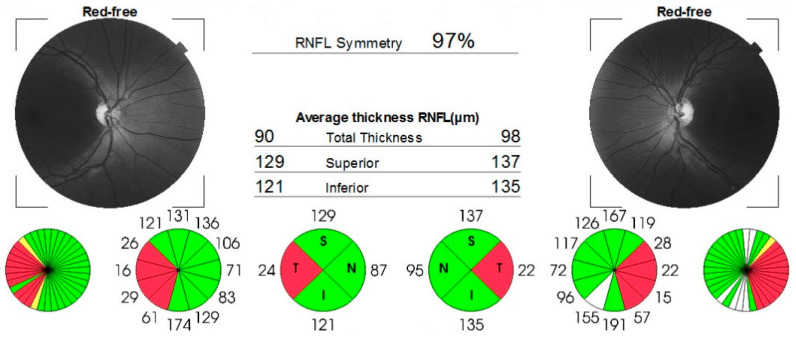
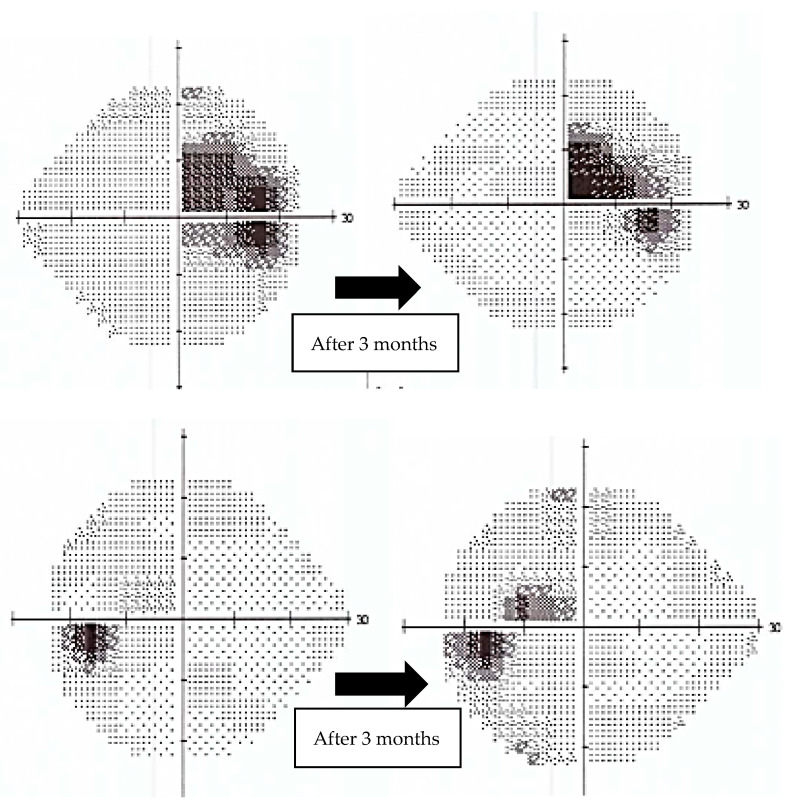
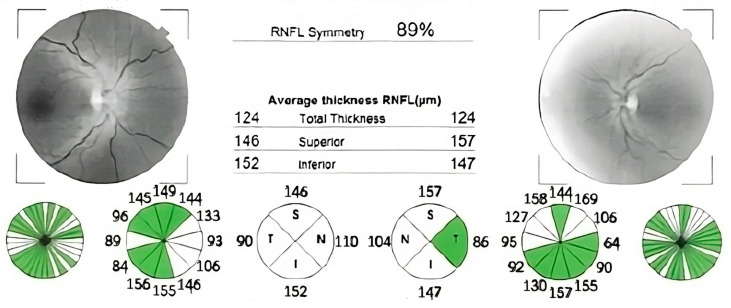
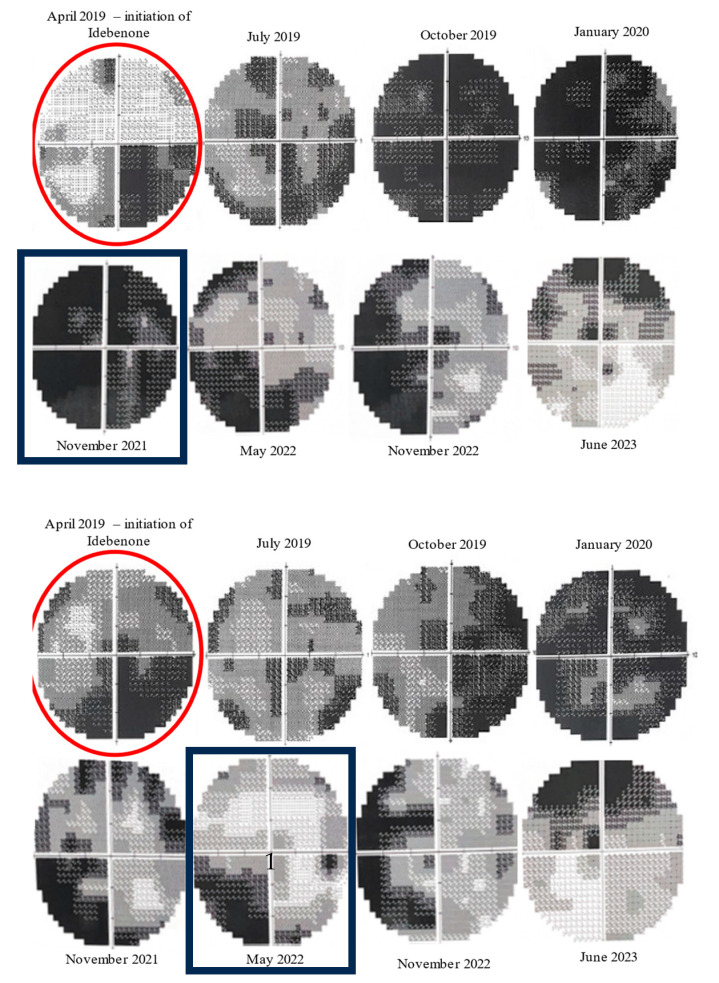
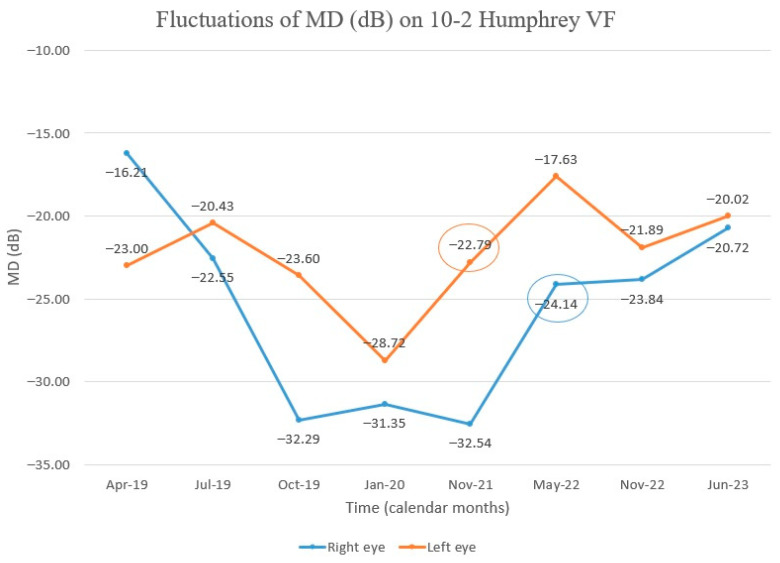
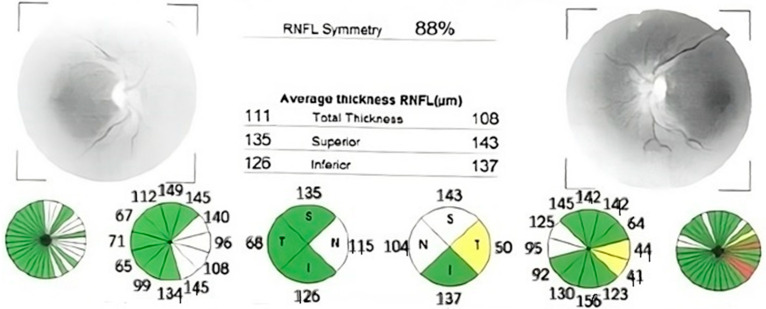
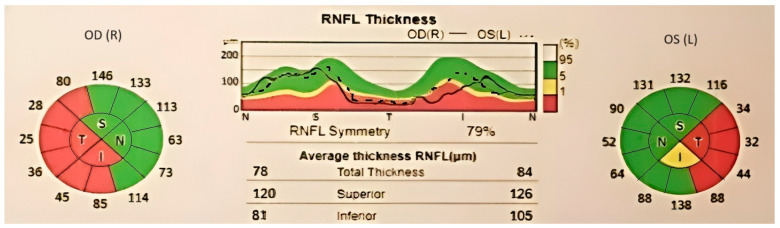
All patients had mutation 11778G>A in MT-ND4. The first patient, an 82-year-old man, with long history of vision loss, had no indication for Idebenone. Two additional cases emerged within the same family: a 40-year-old brother and a 31-year-old sister. Both received Idebenone, with good outcomes only for the female. After a one-year regimen, they were lost to follow-up. The fourth patient, a 46-year-old man, was diagnosed in the subacute stage. Idebenone administration was deferred, allowing progression of visual field defects. After 17 months of treatment, visual improvement appeared. The treatment was continued for 36 months, with short interruptions, resulting in good outcomes.
Our study demonstrated positive results with long-term Idebenone use. Contrary to medical literature, our female patient had a favorable evolution, despite the delayed diagnosis.
Leber遗传性视神经病变(LHON)是一种罕见疾病。进行大型研究困难重重;因此,病例报告提供了有价值的数据。自2015年以来,患者一直接受艾地苯醌治疗。本文旨在分享我们在诊断和管理LHON不同阶段患者方面的经验。
我们设计了一项病例系列研究,纳入四名接受基因检测和眼科检查的患者。介绍了艾地苯醌给药及随访标准。
所有患者均存在MT-ND4基因11778G>A突变。首例患者为一名82岁男性,有长期视力丧失病史,无使用艾地苯醌的指征。同一家庭中又出现了两例:一名40岁的兄弟和一名31岁的姐妹。两人均接受了艾地苯醌治疗,仅女性患者效果良好。经过一年的治疗方案后,他们失访了。第四例患者为一名46岁男性,在亚急性期被诊断出。推迟了艾地苯醌给药,导致视野缺损进展。经过17个月的治疗,视力出现改善。治疗持续了36个月,有短暂中断,结果良好。
我们的研究表明长期使用艾地苯醌有积极效果。与医学文献相反,我们的女性患者尽管诊断延迟,但病情仍有良好进展。