Department of Biochemistry and Molecular Genetics, University of Alabama at Birmingham, Birmingham, AL 35294, USA.
Viruses. 2023 Oct 7;15(10):2063. doi: 10.3390/v15102063.
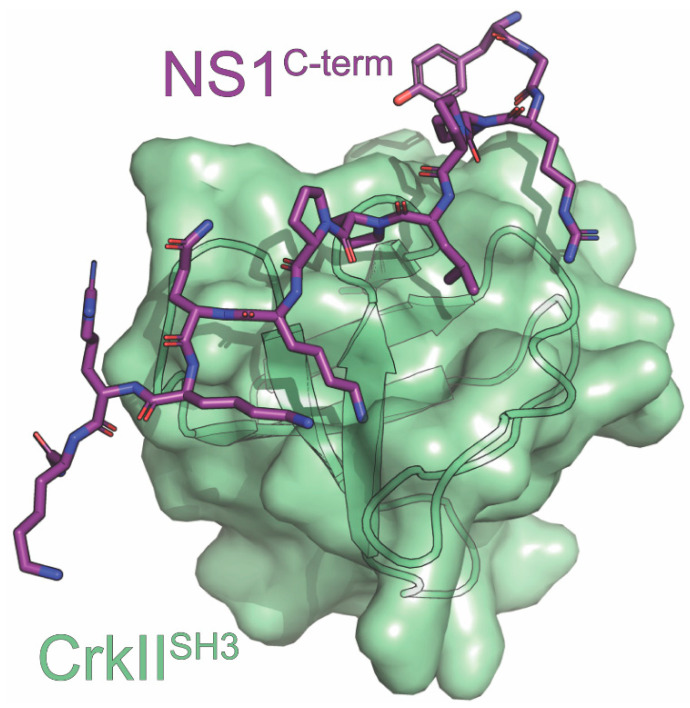
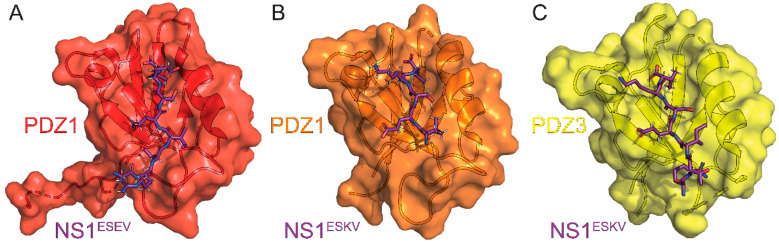
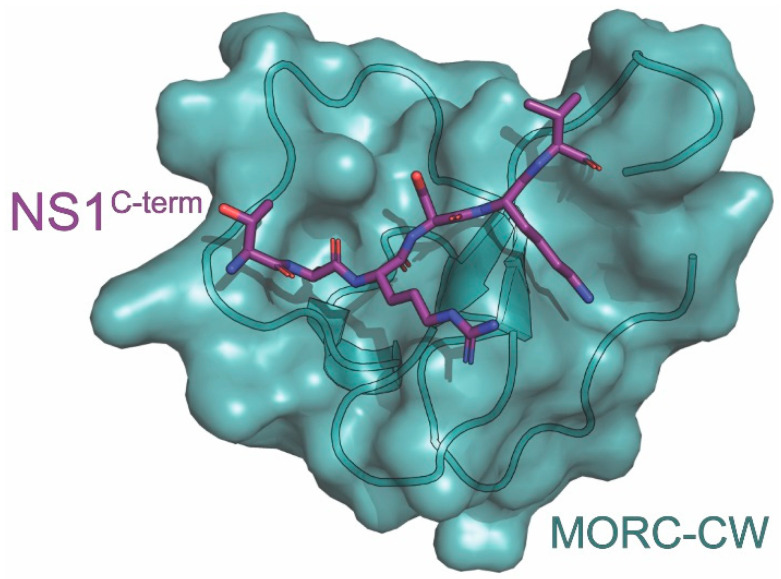
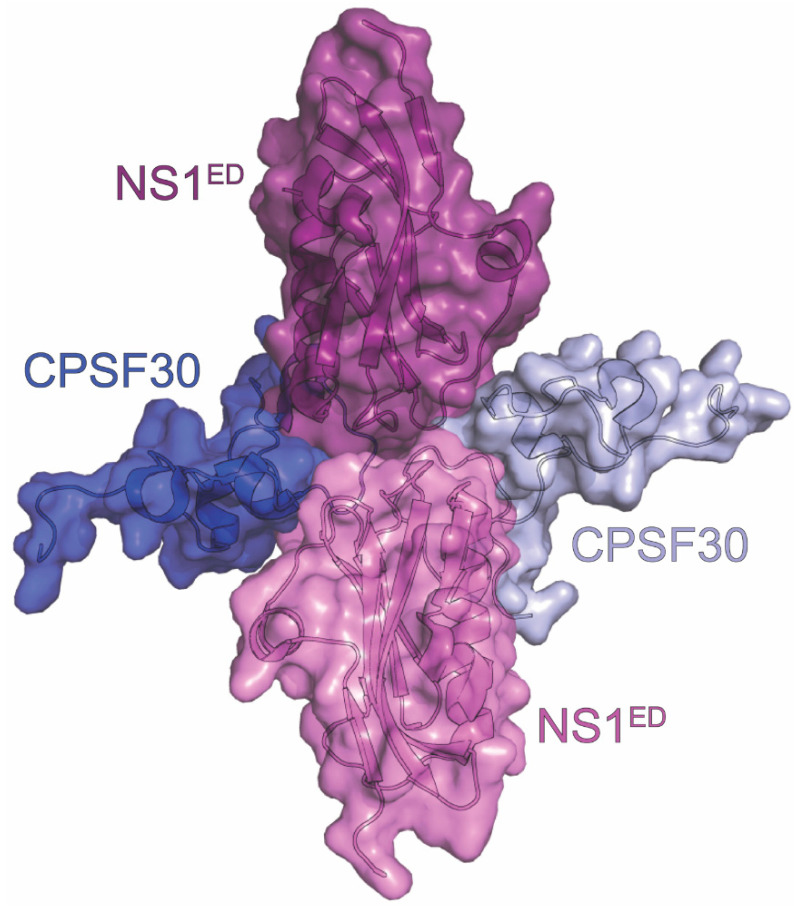
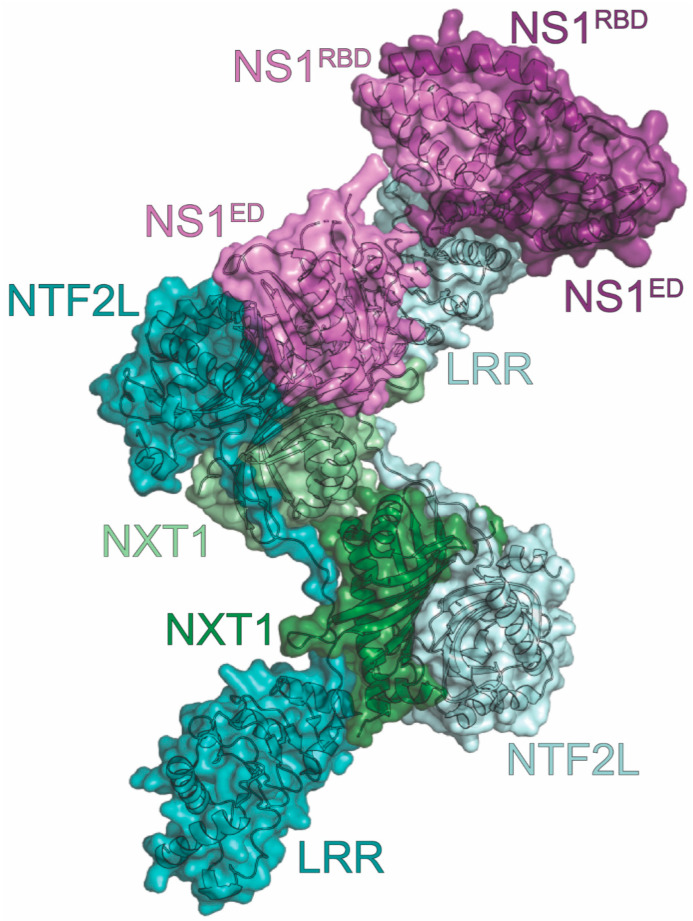
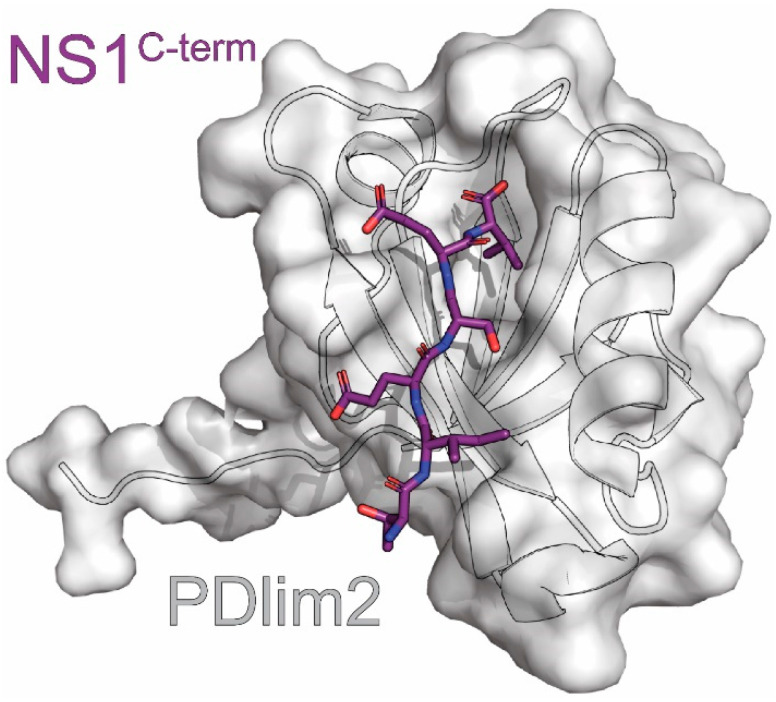
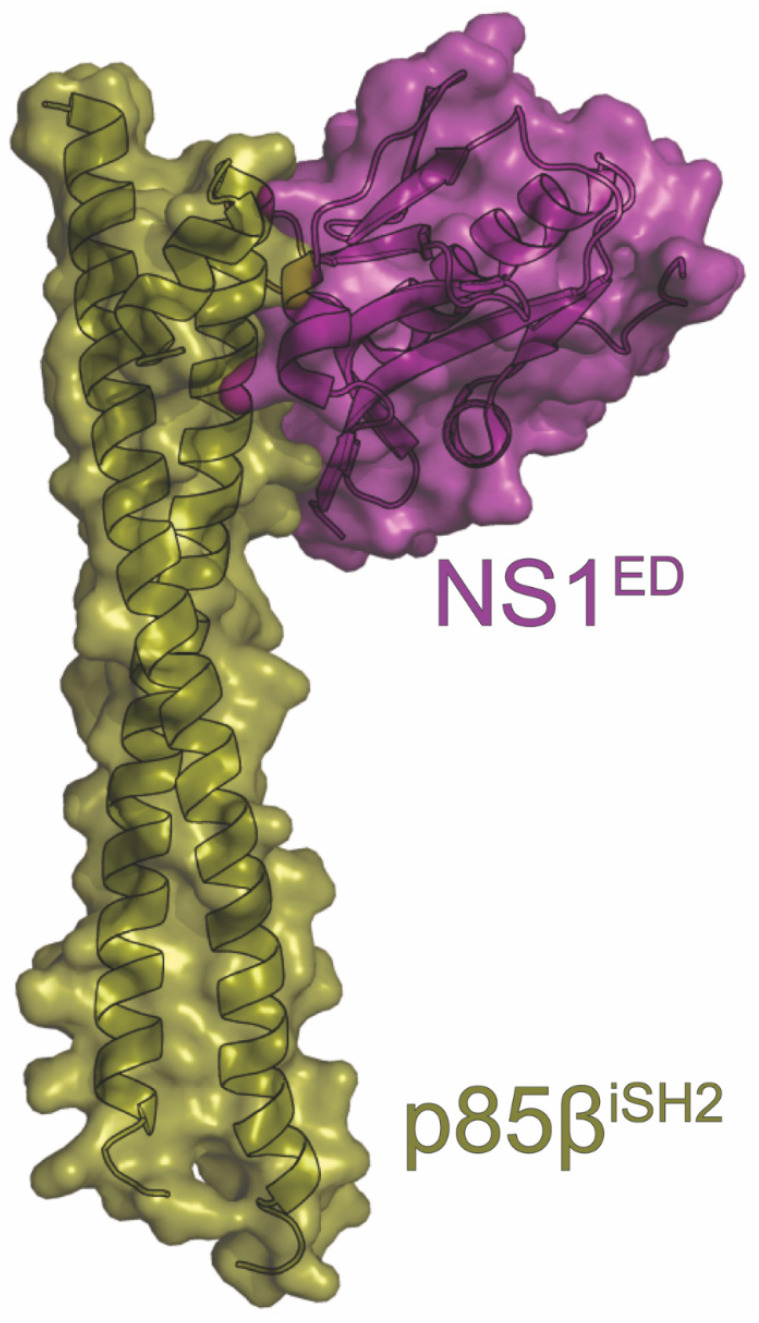
The Influenza A virus is a continuous threat to public health that causes yearly epidemics with the ever-present threat of the virus becoming the next pandemic. Due to increasing levels of resistance, several of our previously used antivirals have been rendered useless. There is a strong need for new antivirals that are less likely to be susceptible to mutations. One strategy to achieve this goal is structure-based drug development. By understanding the minute details of protein structure, we can develop antivirals that target the most conserved, crucial regions to yield the highest chances of long-lasting success. One promising IAV target is the virulence protein non-structural protein 1 (NS1). NS1 contributes to pathogenicity through interactions with numerous host proteins, and many of the resulting complexes have been shown to be crucial for virulence. In this review, we cover the NS1-host protein complexes that have been structurally characterized to date. By bringing these structures together in one place, we aim to highlight the strength of this field for drug discovery along with the gaps that remain to be filled.
甲型流感病毒是对公众健康的持续威胁,每年都会引发疫情,而且该病毒始终存在引发下一次大流行的威胁。由于耐药性不断增强,我们之前使用的几种抗病毒药物已经失效。因此,非常需要新的抗病毒药物,这些药物不太可能容易发生突变。实现这一目标的一种策略是基于结构的药物开发。通过了解蛋白质结构的细微细节,我们可以开发出针对最保守、关键区域的抗病毒药物,从而最大程度地提高长期成功的机会。一种有前途的甲型流感病毒靶点是毒力蛋白非结构蛋白 1(NS1)。NS1 通过与许多宿主蛋白相互作用导致致病性,许多已证实的复合物对于毒力至关重要。在这篇综述中,我们介绍了迄今为止已通过结构确定的 NS1-宿主蛋白复合物。通过将这些结构集中在一个地方,我们旨在强调该领域在药物发现方面的优势,以及仍然存在的空白。