GSK, 980 Great West Road, Brentford, TW8 9GS, Middlesex, UK.
GSK, Shanghai, China.
Ther Innov Regul Sci. 2024 Jan;58(1):1-10. doi: 10.1007/s43441-023-00585-3. Epub 2023 Nov 1.
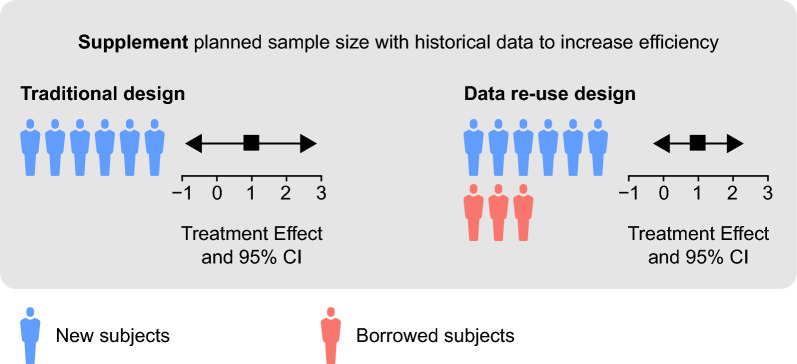
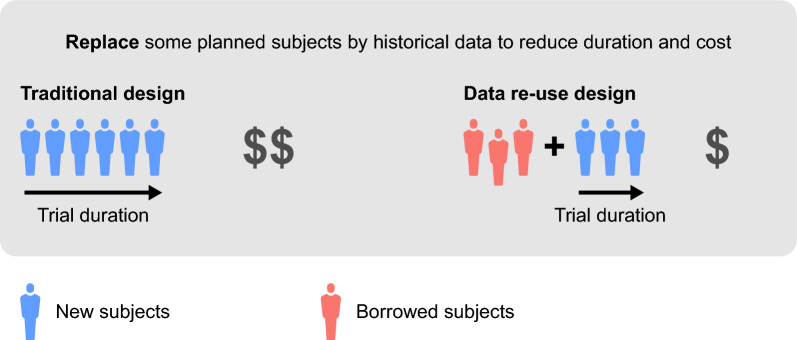
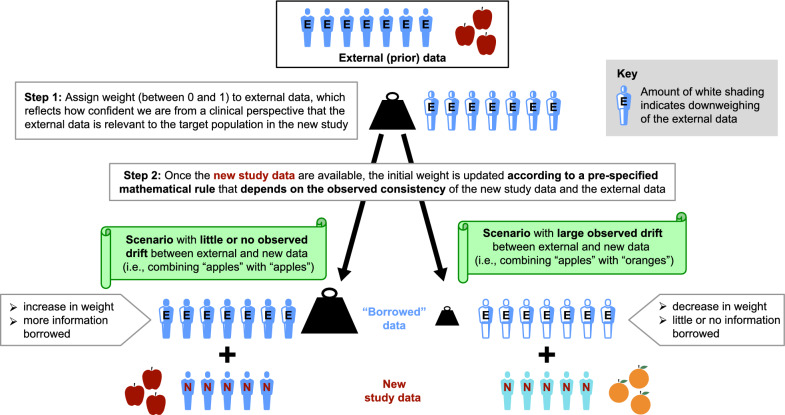
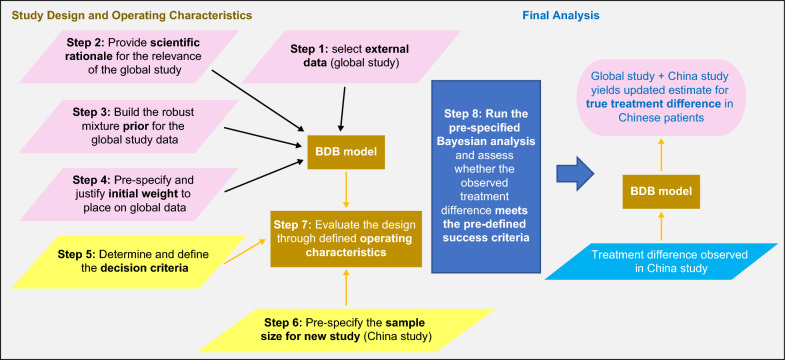
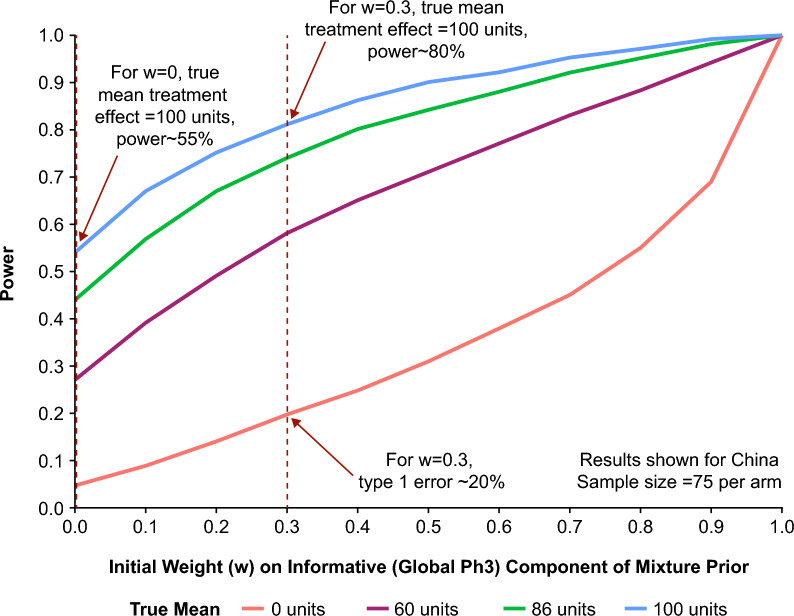
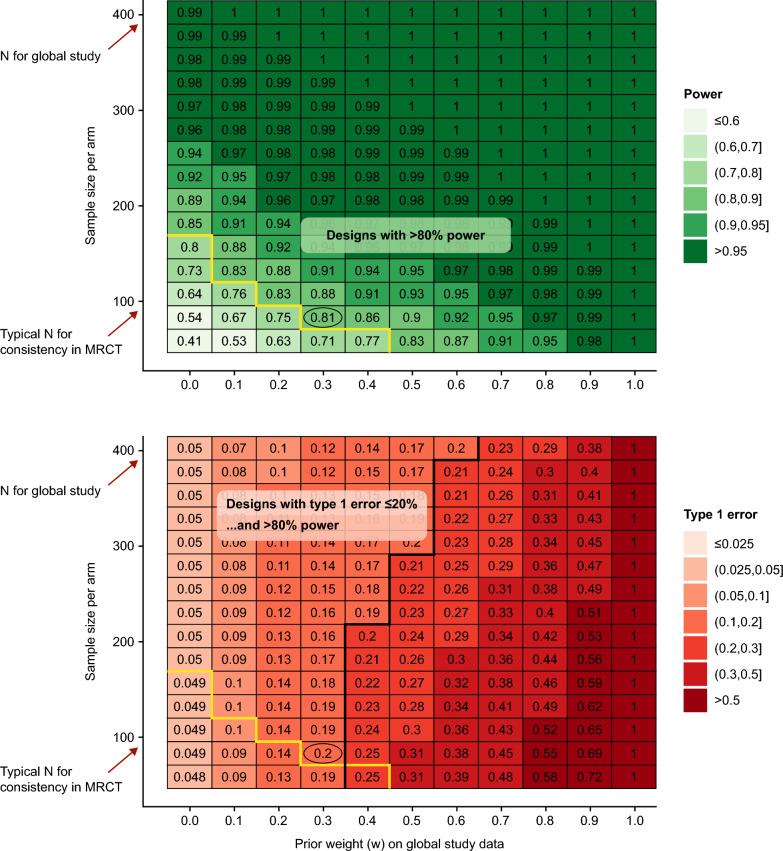
Bayesian Dynamic Borrowing (BDB) designs are being increasingly used in clinical drug development. These methods offer a mathematically rigorous and robust approach to increase efficiency and strengthen evidence by integrating existing trial data into a new clinical trial. The regulatory acceptability of BDB is evolving and varies between and within regulatory agencies. This paper describes how BDB can be used to design a new randomised clinical trial including external data to supplement the planned sample size and discusses key considerations related to data re-use and BDB in drug development programs. A case-study illustrating the planning and evaluation of a BDB approach to support registration of a new medicine with the Center for Drug Evaluation in China will be presented. Key steps and considerations for the use of BDB will be discussed and evaluated, including how to decide whether it is appropriate to borrow external data, which external data can be re-used, the weight to put on the external data and how to decide if the new study has successfully demonstrated treatment benefit.
贝叶斯动态借用(BDB)设计在临床药物开发中越来越多地被使用。这些方法通过将现有试验数据整合到新的临床试验中,提供了一种严谨而稳健的方法来提高效率和加强证据。BDB 的监管可接受性正在发展,并在监管机构之间和内部有所不同。本文描述了如何使用 BDB 设计一个新的随机临床试验,包括外部数据来补充计划的样本量,并讨论了与药物开发计划中的数据再利用和 BDB 相关的关键考虑因素。本文将介绍一个案例研究,说明如何使用 BDB 方法来支持新药在中国药品审评中心的注册。本文将讨论和评估使用 BDB 的关键步骤和考虑因素,包括是否适合借用外部数据、可以重复使用哪些外部数据、外部数据的权重以及如何确定新研究是否成功证明了治疗效果。