Abouelwafa Manal, Ibrahim Tamer M, El-Hadidi Mohamed S, Mahnashi Mater H, Owaidah Amani Y, Saeedi Nizar H, Attia Hany G, Georrge John J, Mostafa Amany
Department of Bioinformatics, Christ College, Rajkot, Gujarat, India.
Department of Pharmaceutical Chemistry, Faculty of Pharmacy, Kafrelsheikh University, Kafrelsheikh, Egypt.
Front Mol Biosci. 2023 Oct 23;10:1248885. doi: 10.3389/fmolb.2023.1248885. eCollection 2023.
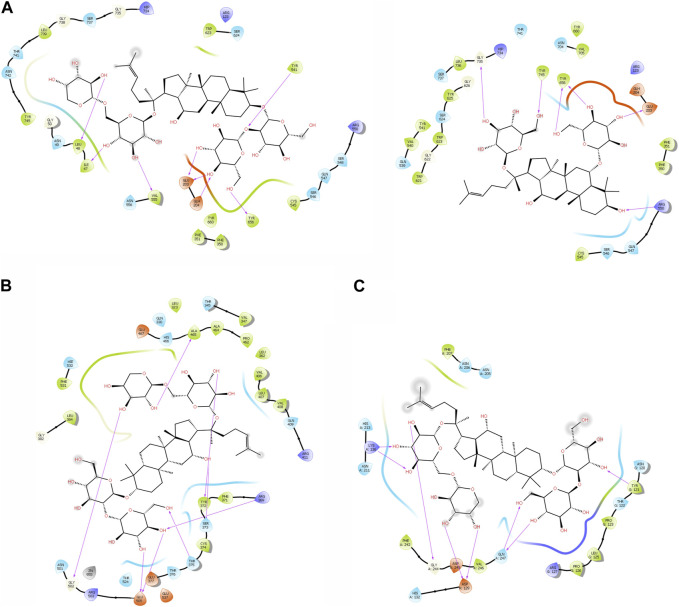
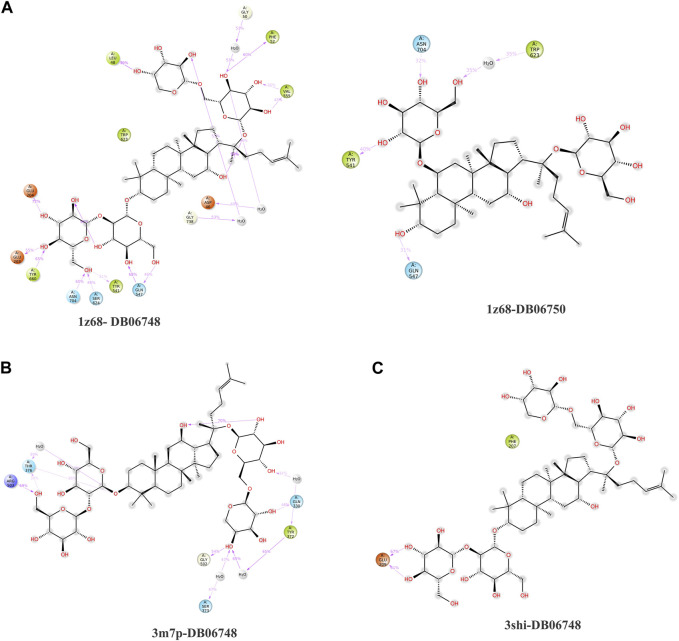
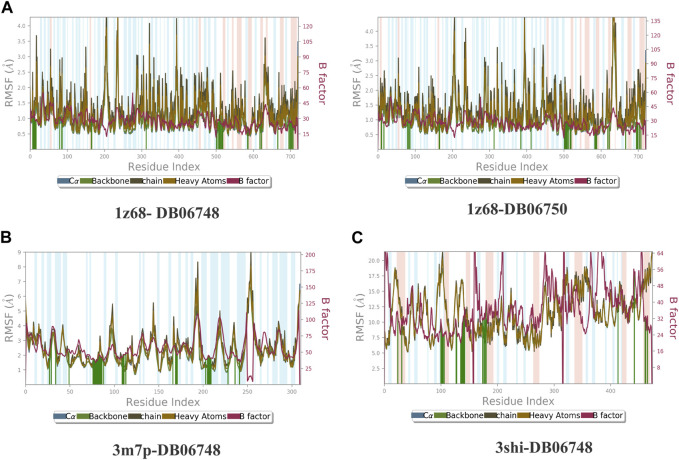
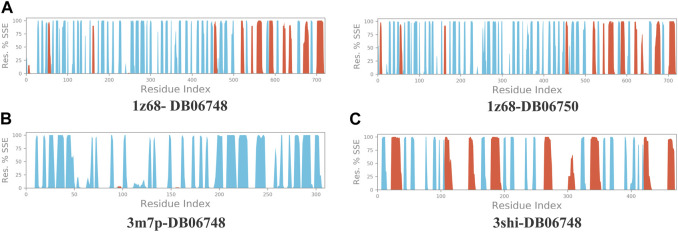
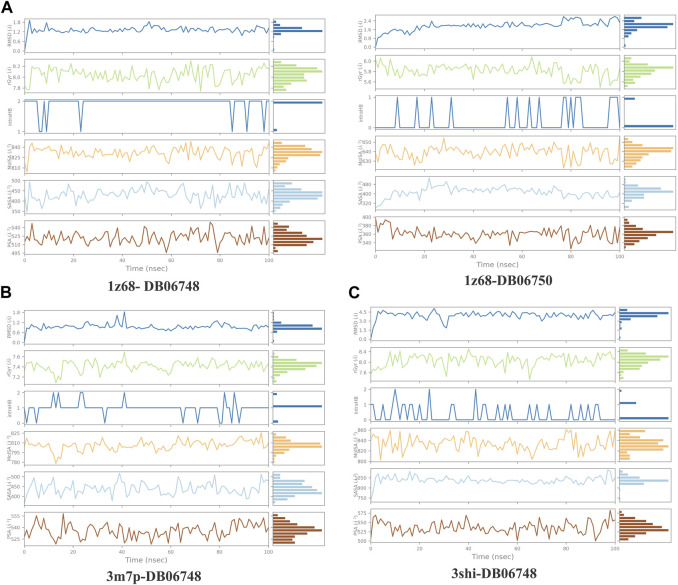
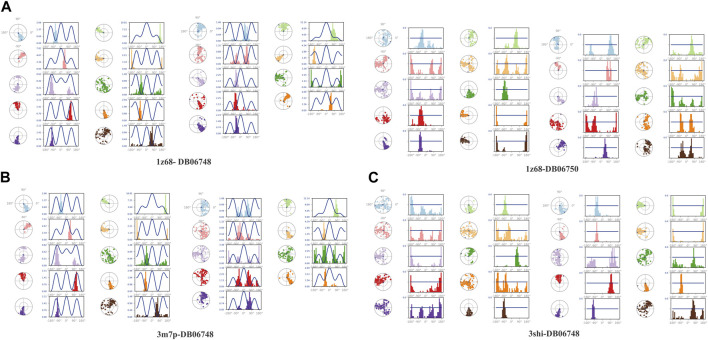
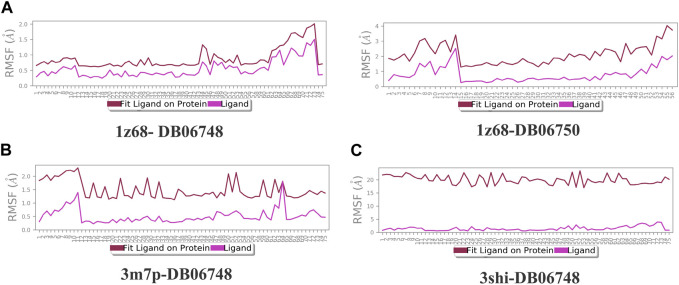
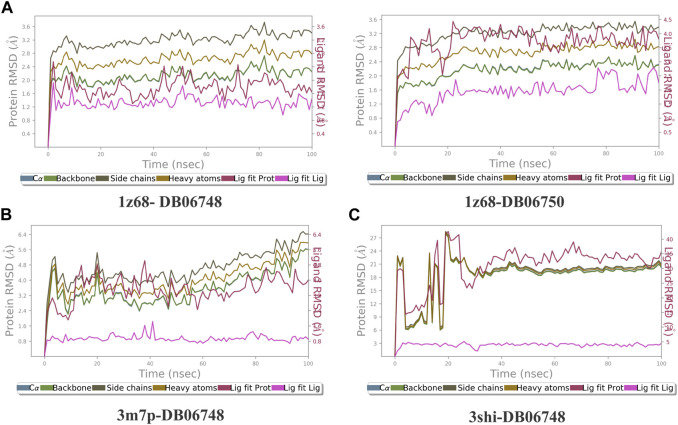
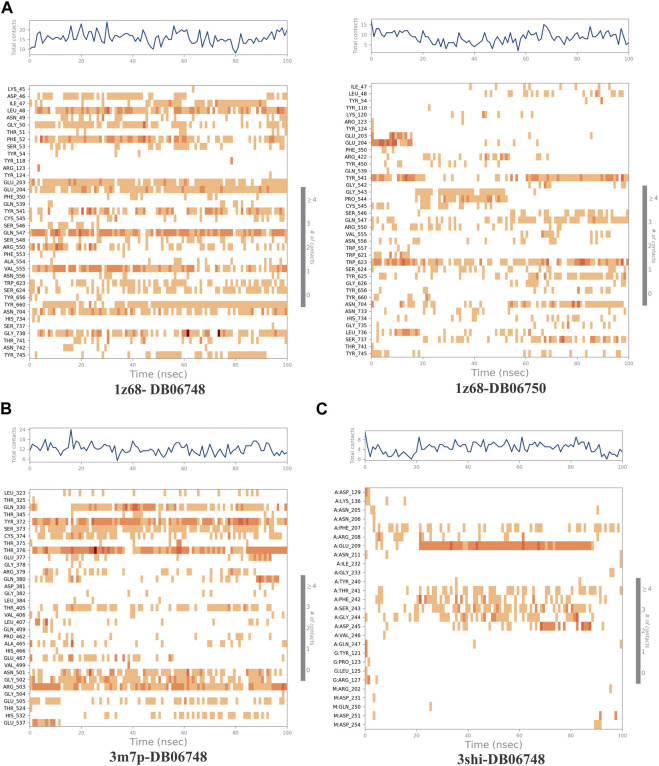
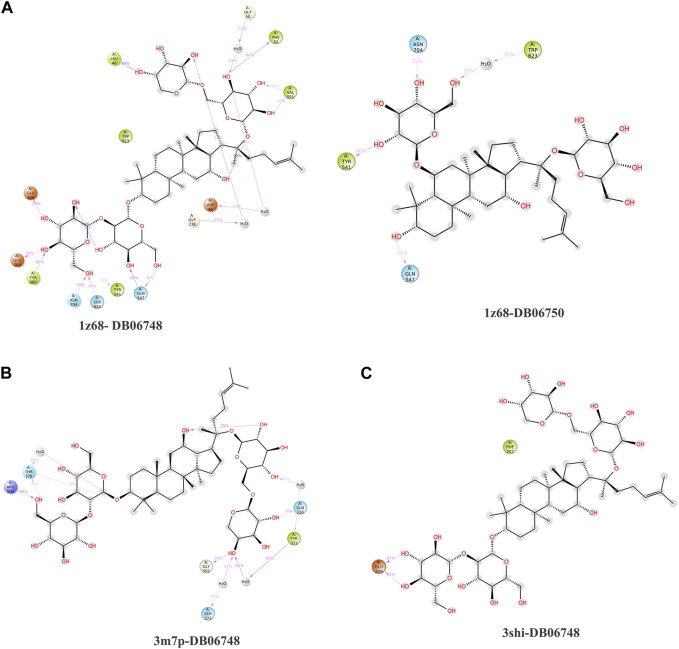
Oral cancer is one of the most common cancer types. Many factors can express certain genes that cause the proliferation of oral tissues. Overexpressed genes were detected in oral cancer patients; three were highly impacted. FAP, FN1, and MMP1 were the targeted genes that showed inhibition results by ginsenoside C and Rg1. Approved drugs were retrieved from the DrugBank database. The docking scores show an excellent interaction between the ligands and the targeted macromolecules. Further molecular dynamics simulations showed the binding stability of the proposed natural products. This work recommends repurposing ginsenoside C and Rg1 as potential binders for the selected targets and endorses future experimental validation for the treatment of oral cancer.
口腔癌是最常见的癌症类型之一。许多因素可表达导致口腔组织增殖的特定基因。在口腔癌患者中检测到基因过度表达;其中三个受到高度影响。FAP、FN1和MMP1是显示被人参皂苷C和Rg1抑制的靶向基因。从DrugBank数据库中检索了已批准的药物。对接分数显示配体与靶向大分子之间有良好的相互作用。进一步的分子动力学模拟显示了所提出的天然产物的结合稳定性。这项研究建议将人参皂苷C和Rg1重新用作所选靶点的潜在结合剂,并支持未来针对口腔癌治疗的实验验证。