Ebrahimi Alireza, Kamyab Amirhossein, Hosseini Sahar, Ebrahimi Sedigheh, Ashkani-Esfahani Soheil
Student Research Committee, Shiraz University of Medical Sciences, Shiraz, Iran.
Faculty of Medicine, Fasa University of Medical Sciences, Fasa, Iran.
Biochem Res Int. 2023 Nov 1;2023:5510874. doi: 10.1155/2023/5510874. eCollection 2023.
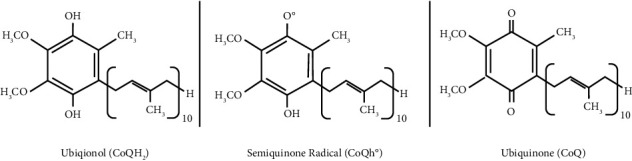
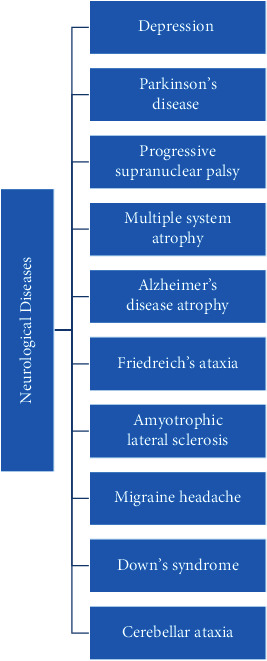
Coenzyme Q10 (CoQ10), commonly known as ubiquinone, is a vitamin-like component generated in mitochondrial inner membranes. This molecule is detected broadly in different parts of the human body in various quantities. This molecule can be absorbed by the digestive system from various nutritional sources as supplements. CoQ10 exists in three states: in a of reduced form (ubiquinol), in a semiquinone radical form, and in oxidized ubiquinone form in different organs of the body, playing a crucial role in electron transportation and contributing to energy metabolism and oxygen utilization, especially in the musculoskeletal and nervous systems. Since the early 1980s, research about CoQ10 has become the interest for two reasons. First, CoQ10 deficiency has been found to have a link with cardiovascular, neurologic, and cancer disorders. Second, this molecule has an antioxidant and free-radical scavenger nature. Since then, several investigations have indicated that the drug may benefit patients with cardiovascular, neuromuscular, and neurodegenerative illnesses. CoQ10 may protect the neurological system from degeneration and degradation due to its antioxidant and energy-regulating activity in mitochondria. This agent has shown its efficacy in preventing and treating neurological diseases such as migraine, Parkinson's disease, Alzheimer's disease, Huntington's disease, amyotrophic lateral sclerosis, and Friedreich's ataxia. This study reviews the literature to highlight this agent's potential therapeutic effects in the mentioned neurological disorders.
辅酶Q10(CoQ10),通常称为泛醌,是一种在线粒体内膜中产生的类维生素成分。该分子在人体的不同部位被广泛检测到,含量各异。这种分子可以作为补充剂从各种营养来源被消化系统吸收。CoQ10以三种状态存在:还原形式(泛醇)、半醌自由基形式和氧化泛醌形式,在人体不同器官中发挥着关键作用,参与电子传递,对能量代谢和氧气利用有贡献,尤其是在肌肉骨骼和神经系统中。自20世纪80年代初以来,对CoQ10的研究因其两个原因而受到关注。首先,已发现CoQ10缺乏与心血管、神经和癌症疾病有关。其次,这种分子具有抗氧化和自由基清除特性。从那时起,多项研究表明该药物可能对心血管、神经肌肉和神经退行性疾病患者有益。CoQ10可能因其在线粒体中的抗氧化和能量调节活性而保护神经系统免受退化和降解。这种药物已在预防和治疗偏头痛、帕金森病、阿尔茨海默病、亨廷顿病、肌萎缩侧索硬化症和弗里德赖希共济失调等神经系统疾病中显示出疗效。本研究回顾文献以突出该药物在上述神经系统疾病中的潜在治疗作用。