Department of Pathology, Immunology and Laboratory Medicine, College of Medicine, University of Florida, Gainesville, FL 32610, USA.
Spatial Epidemiology and Ecology Research Laboratory, Department of Geography, College of Liberal Arts and Sciences, University of Florida, Gainesville, FL 32611, USA.
Int J Mol Sci. 2023 Oct 29;24(21):15718. doi: 10.3390/ijms242115718.
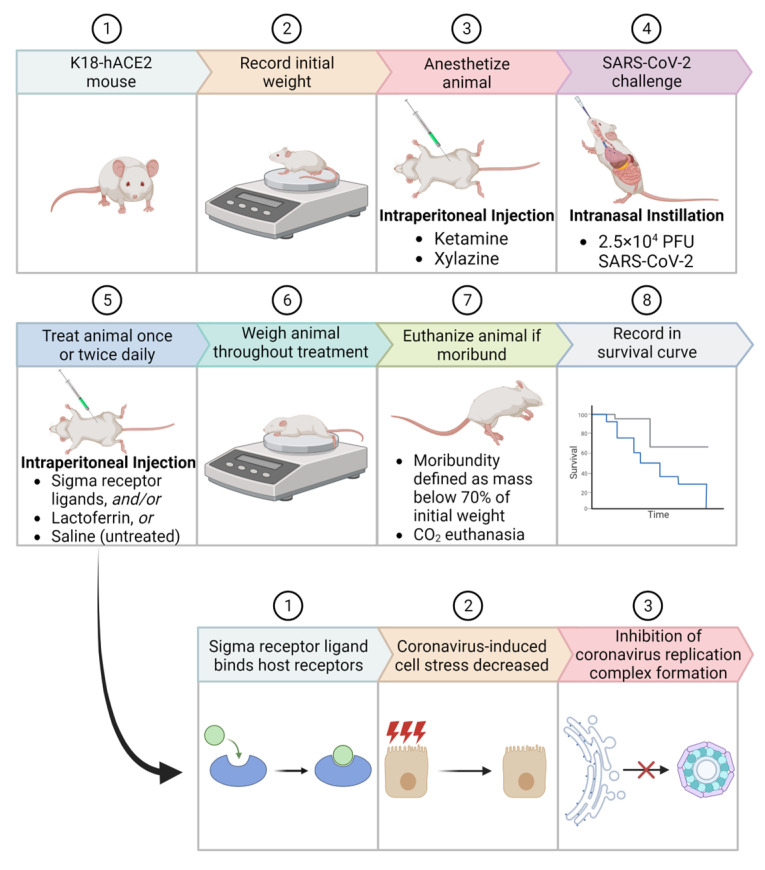
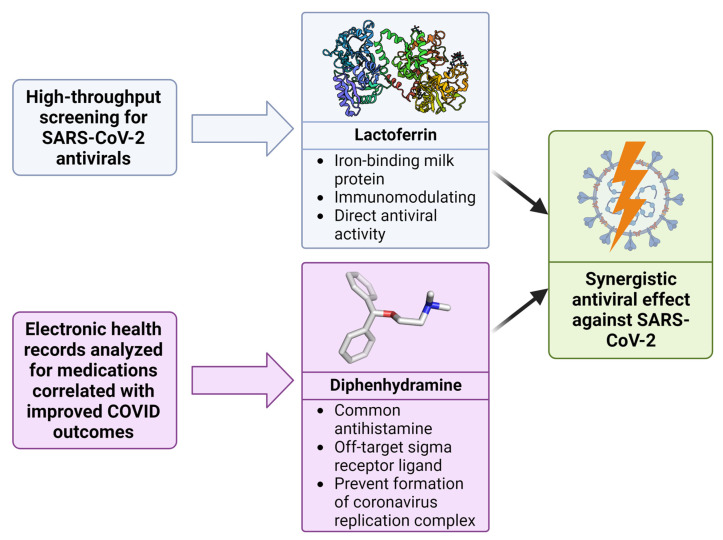
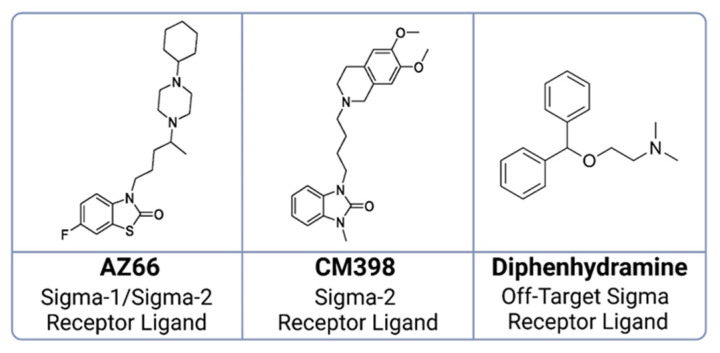
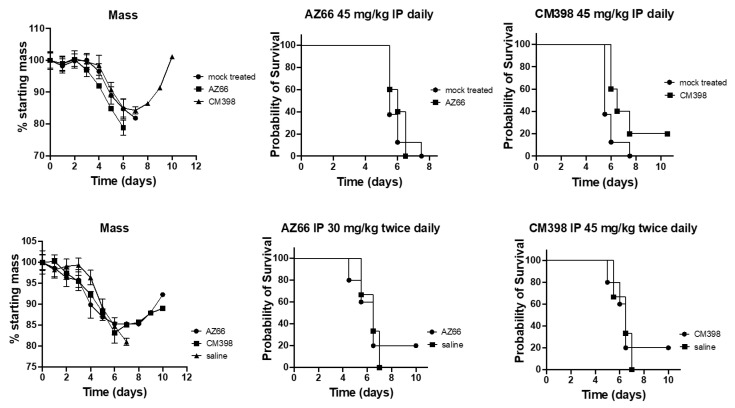
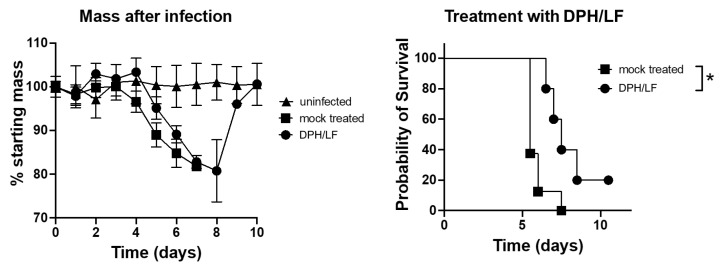
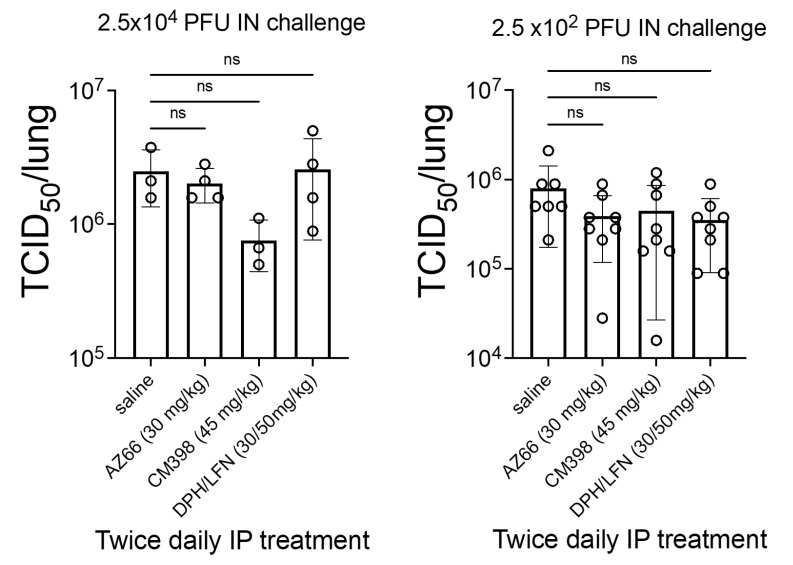
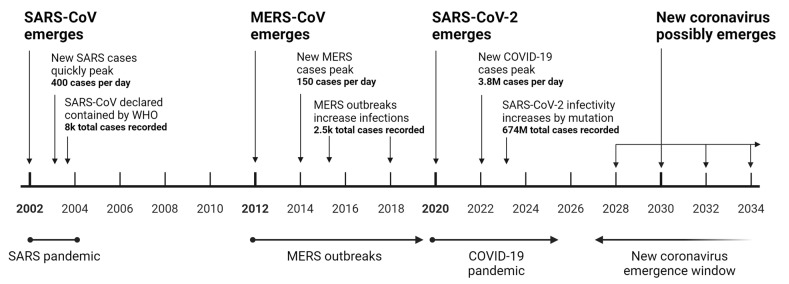
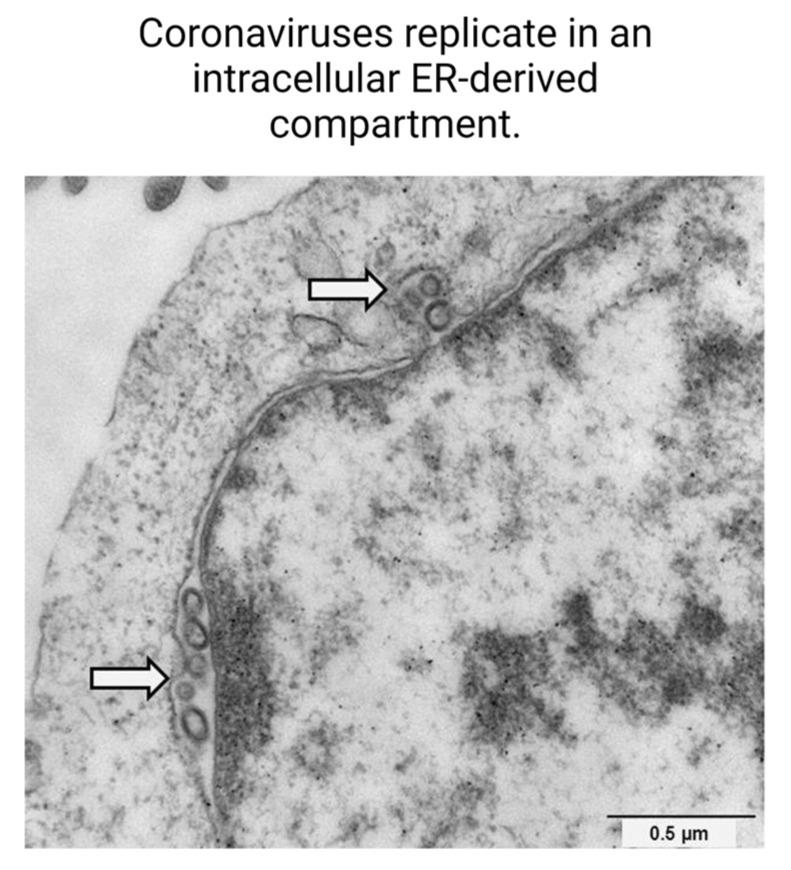
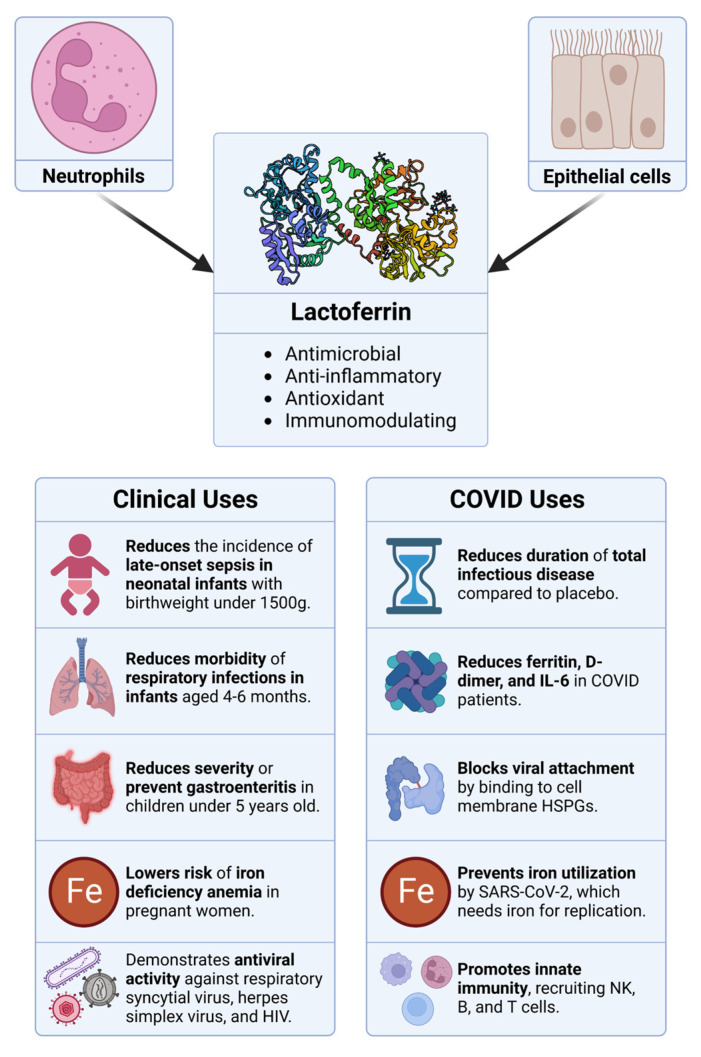
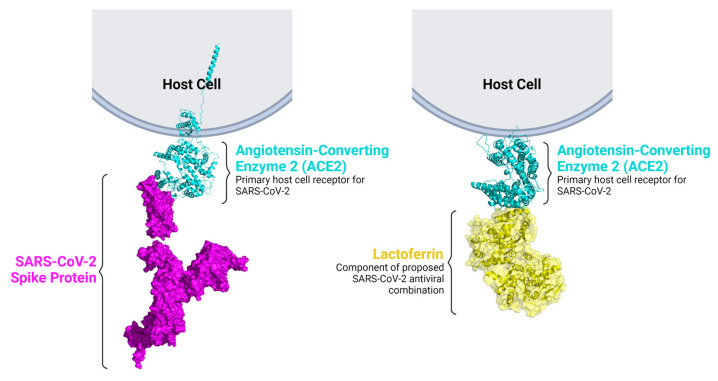
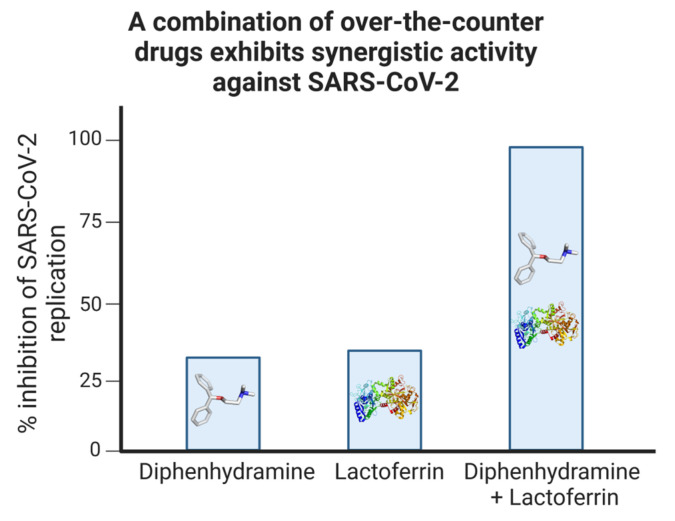
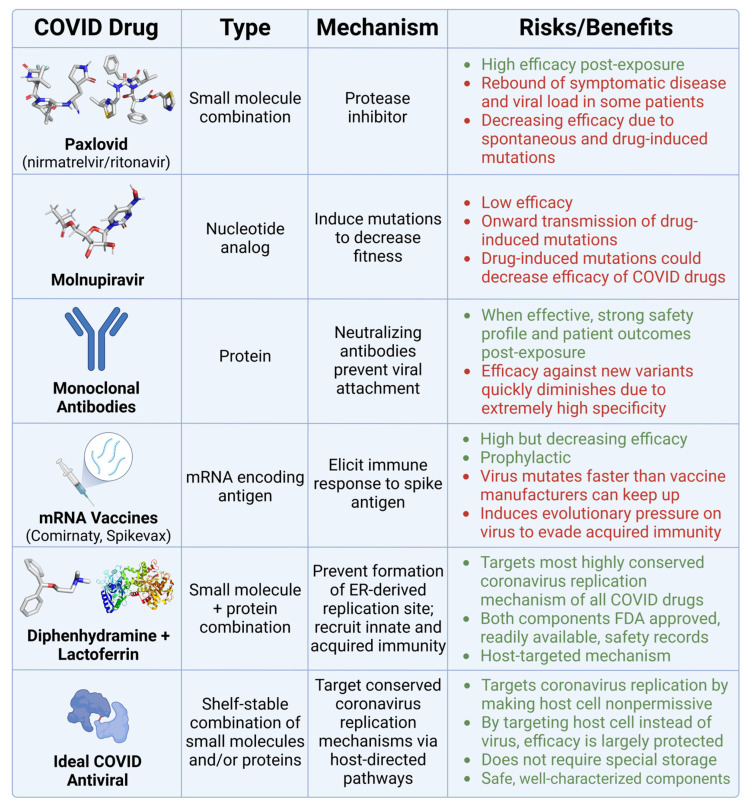
The emergence of lethal coronaviruses follows a periodic pattern which suggests a recurring cycle of outbreaks. It remains uncertain as to when the next lethal coronavirus will emerge, though its eventual emergence appears to be inevitable. New mutations in evolving SARS-CoV-2 variants have provided resistance to current antiviral drugs, monoclonal antibodies, and vaccines, reducing their therapeutic efficacy. This underscores the urgent need to investigate alternative therapeutic approaches. Sigma receptors have been unexpectedly linked to the SARS-CoV-2 life cycle due to the direct antiviral effect of their ligands. Coronavirus-induced cell stress facilitates the formation of an ER-derived complex conducive to its replication. Sigma receptor ligands are believed to prevent the formation of this complex. Repurposing FDA-approved drugs for COVID-19 offers a timely and cost-efficient strategy to find treatments with established safety profiles. Notably, diphenhydramine, a sigma receptor ligand, is thought to counteract the virus by inhibiting the creation of ER-derived replication vesicles. Furthermore, lactoferrin, a well-characterized immunomodulatory protein, has shown antiviral efficacy against SARS-CoV-2 both in laboratory settings and in living organisms. In the present study, we aimed to explore the impact of sigma receptor ligands on SARS-CoV-2-induced mortality in ACE2-transgenic mice. We assessed the effects of an investigational antiviral drug combination comprising a sigma receptor ligand and an immunomodulatory protein. Mice treated with sigma-2 receptor ligands or diphenhydramine and lactoferrin exhibited improved survival rates and rapid rebound in mass following the SARS-CoV-2 challenge compared to mock-treated animals. Clinical translation of these findings may support the discovery of new treatment and research strategies for SARS-CoV-2.
致命冠状病毒的出现遵循周期性模式,表明爆发有反复出现的周期。目前还不确定下一个致命冠状病毒何时会出现,但它的最终出现似乎是不可避免的。不断进化的 SARS-CoV-2 变异体的新突变提供了对现有抗病毒药物、单克隆抗体和疫苗的耐药性,降低了它们的治疗效果。这突显了研究替代治疗方法的紧迫性。由于其配体对 SARS-CoV-2 具有直接抗病毒作用,西格玛受体出人意料地与 SARS-CoV-2 的生命周期有关。冠状病毒诱导的细胞应激促进了有利于其复制的内质网衍生复合物的形成。据信,西格玛受体配体可防止该复合物的形成。重新利用 FDA 批准的药物治疗 COVID-19 是一种及时且具有成本效益的策略,可以找到具有既定安全概况的治疗方法。值得注意的是,苯海拉明是一种西格玛受体配体,它通过抑制内质网衍生的复制小泡的形成来抵抗病毒。此外,乳铁蛋白是一种经过充分研究的免疫调节蛋白,在实验室环境和生物体中均显示出对 SARS-CoV-2 的抗病毒功效。在本研究中,我们旨在探索西格玛受体配体对 ACE2 转基因小鼠中 SARS-CoV-2 诱导死亡率的影响。我们评估了由西格玛受体配体和免疫调节蛋白组成的一种研究性抗病毒药物组合的效果。与模拟治疗的动物相比,用西格玛-2 受体配体或苯海拉明和乳铁蛋白治疗的小鼠在 SARS-CoV-2 挑战后表现出更高的存活率和体重快速反弹。这些发现的临床转化可能支持 SARS-CoV-2 新治疗和研究策略的发现。