Department of Pharmacy, Pharmaceutical Biotechnology, Saarland University, Campus C2.3, 66123, Saarbrücken, Germany.
Department of Pharmacy, Pharmaceutical Biology, Saarland University, Campus C2.3, 66123, Saarbrücken, Germany.
Microb Cell Fact. 2023 Nov 14;22(1):233. doi: 10.1186/s12934-023-02231-x.
Pamamycins are a family of highly bioactive macrodiolide polyketides produced by Streptomyces alboniger as a complex mixture of derivatives with molecular weights ranging from 579 to 705 Daltons. The large derivatives are produced as a minor fraction, which has prevented their isolation and thus studies of chemical and biological properties.
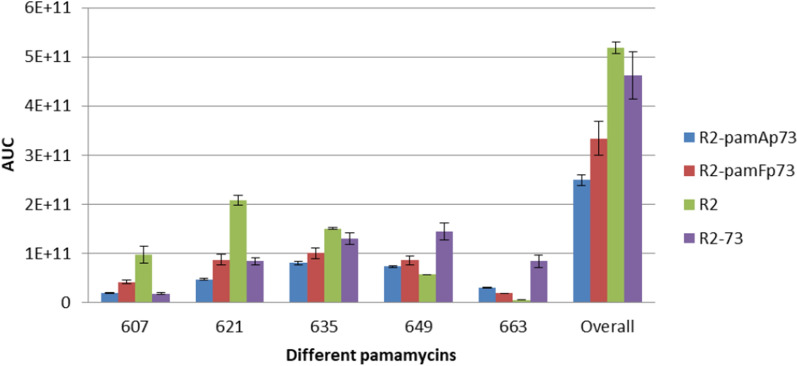
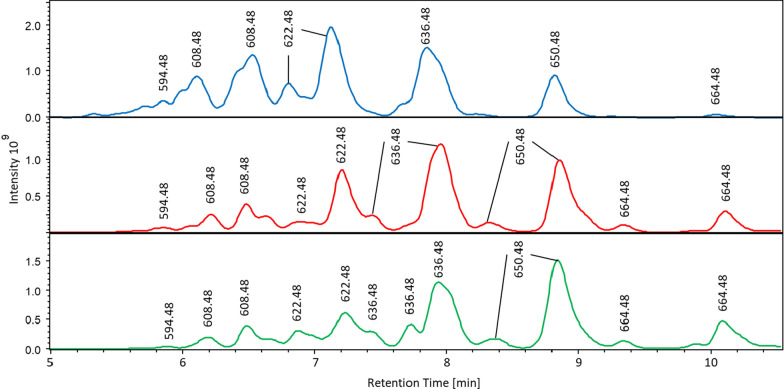
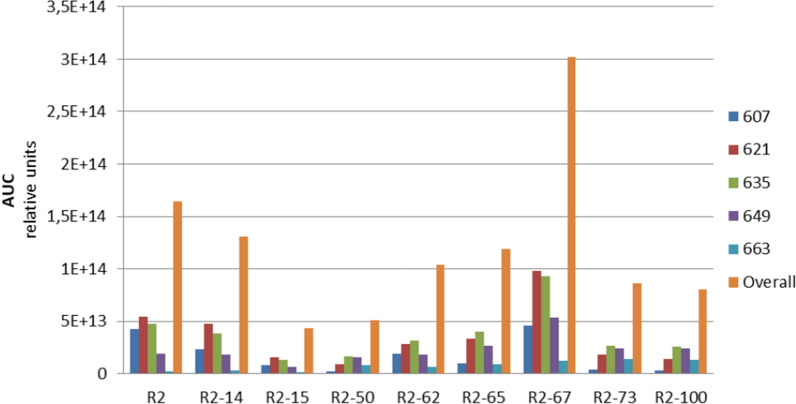
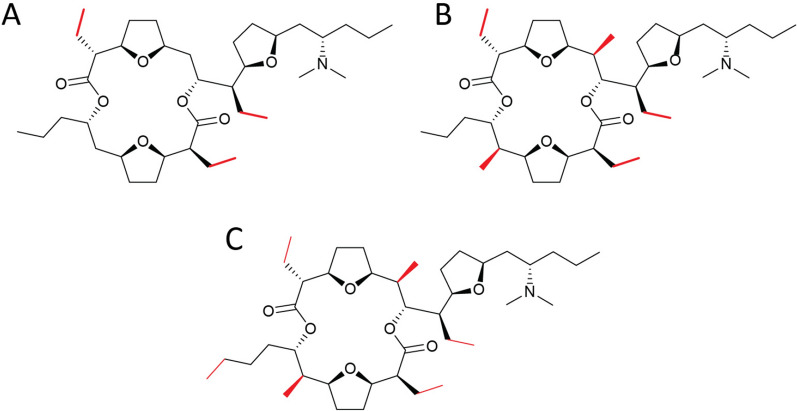
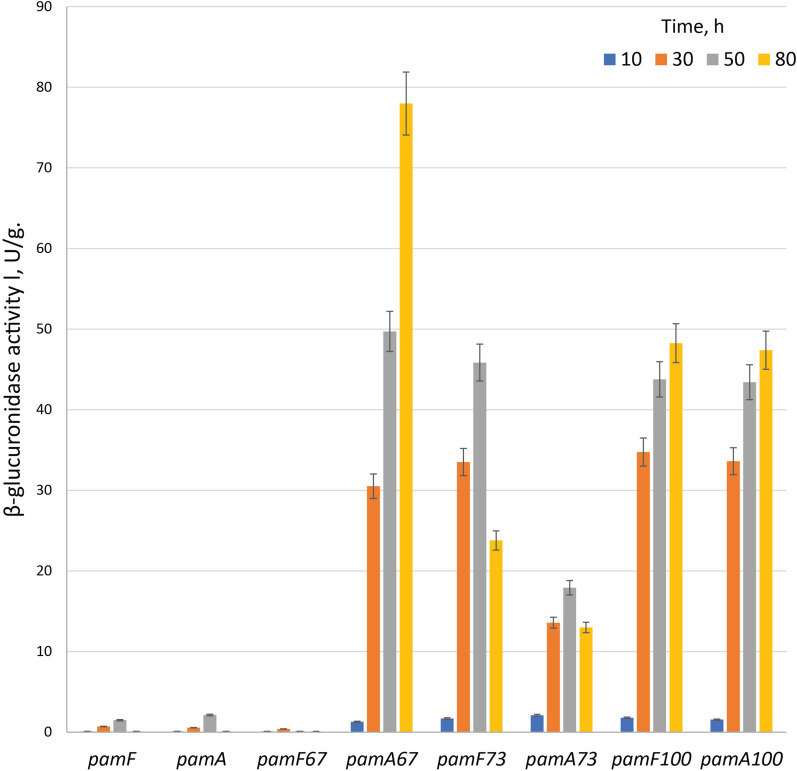
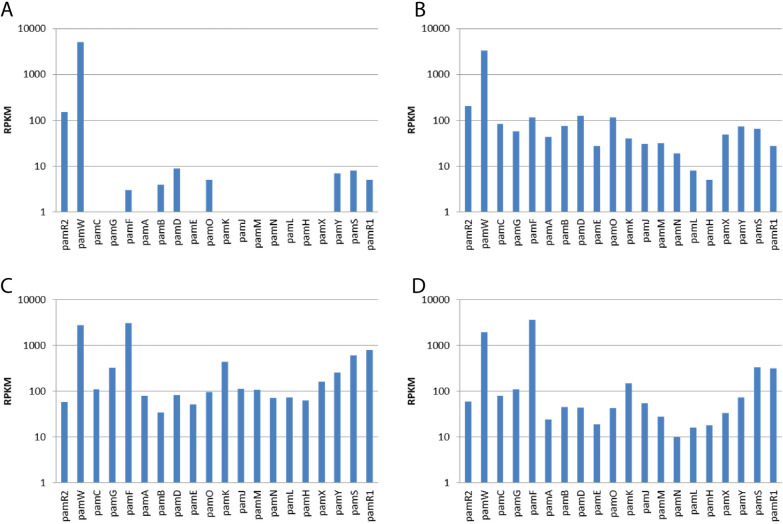
Herein, we describe the transcriptional engineering of the pamamycin biosynthetic gene cluster (pam BGC), which resulted in the shift in production profile toward high molecular weight derivatives. The pam BGC library was constructed by inserting randomized promoter sequences in front of key biosynthetic operons. The library was expressed in Streptomyces albus strain with improved resistance to pamamycins to overcome sensitivity-related host limitations. Clones with modified pamamycin profiles were selected and the properties of engineered pam BGC were studied in detail. The production level and composition of the mixture of pamamycins was found to depend on balance in expression of the corresponding biosynthetic genes. This approach enabled the isolation of known pamamycins and the discovery of three novel derivatives with molecular weights of 663 Da and higher. One of them, homopamamycin 677A, is the largest described representative of this family of natural products with an elucidated structure. The new pamamycin 663A shows extraordinary activity (IC50 2 nM) against hepatocyte cancer cells as well as strong activity (in the one-digit micromolar range) against a range of Gram-positive pathogenic bacteria.
By employing transcriptional gene cluster refactoring, we not only enhanced the production of known pamamycins but also discovered novel derivatives exhibiting promising biological activities. This approach has the potential for broader application in various biosynthetic gene clusters, creating a sustainable supply and discovery platform for bioactive natural products.
帕马霉素是一组高度生物活性的大环二内酯聚酮类化合物,由白色链霉菌(Streptomyces alboniger)作为分子量在 579 至 705 道尔顿之间的衍生物的复杂混合物产生。较大的衍生物是作为次要部分产生的,这阻止了它们的分离,从而也阻碍了对其化学和生物学性质的研究。
本文描述了帕马霉素生物合成基因簇(pam BGC)的转录工程改造,该改造导致产物分布向高分子量衍生物转移。pam BGC 文库是通过在关键生物合成操纵子前插入随机化启动子序列构建的。文库在具有改进的帕马霉素抗性的白色链霉菌菌株中表达,以克服与宿主敏感性相关的限制。选择了具有改变的帕马霉素图谱的克隆,并详细研究了工程化的 pam BGC 的性质。发现帕马霉素混合物的产生水平和组成取决于相应生物合成基因的表达平衡。这种方法能够分离已知的帕马霉素,并发现三种分子量为 663 Da 及以上的新型衍生物。其中之一,同帕马霉素 677A,是该家族天然产物中分子量最大的已知代表,其结构已阐明。新型帕马霉素 663A 对肝癌细胞具有非凡的活性(IC50 为 2 nM),并且对一系列革兰氏阳性致病细菌具有很强的活性(在十位数微摩尔范围内)。
通过采用转录基因簇重构,我们不仅增强了已知帕马霉素的产生,还发现了具有有前途的生物活性的新型衍生物。这种方法有可能在各种生物合成基因簇中得到更广泛的应用,为生物活性天然产物创造可持续的供应和发现平台。