Institut de Génétique Humaine (UMR9002), CNRS, Université de Montpellier, Montpellier Cedex 5, France.
Faculty of Sciences, Genomics and Surveillance Biotherapy (GSBT) Laboratory, R. Hariri Campus, Lebanese University, Hadath, Lebanon.
EMBO Rep. 2023 Dec 6;24(12):e57585. doi: 10.15252/embr.202357585. Epub 2023 Nov 15.
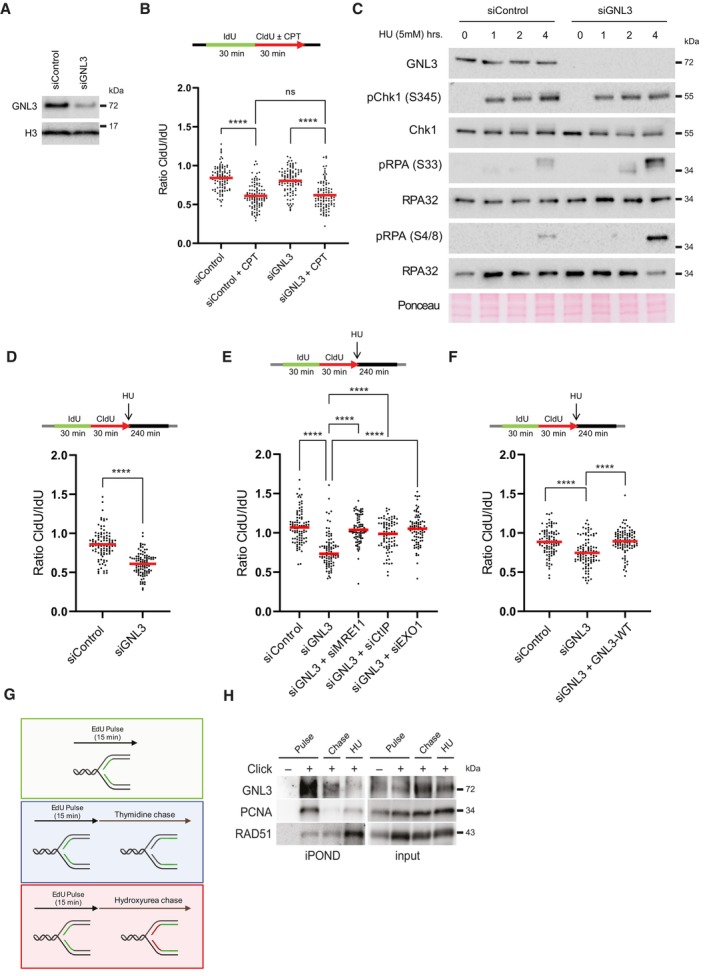
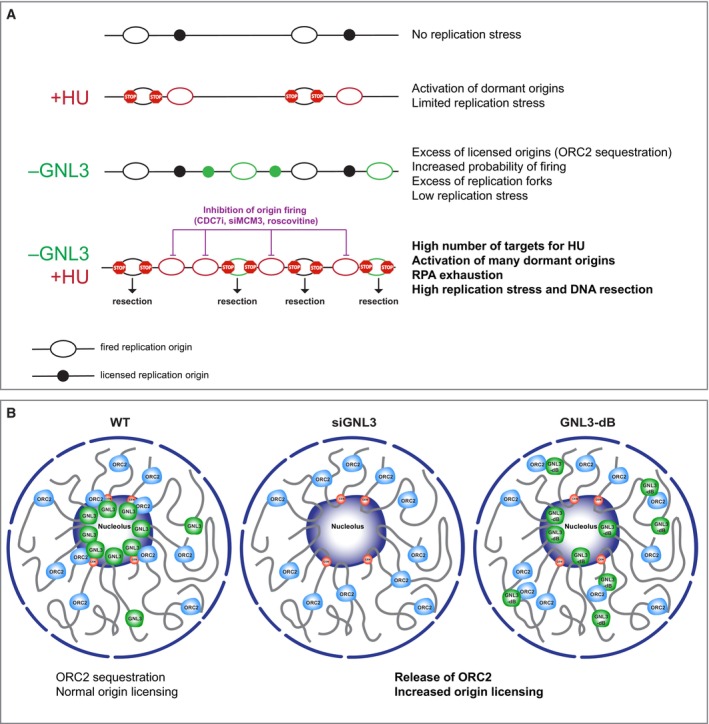
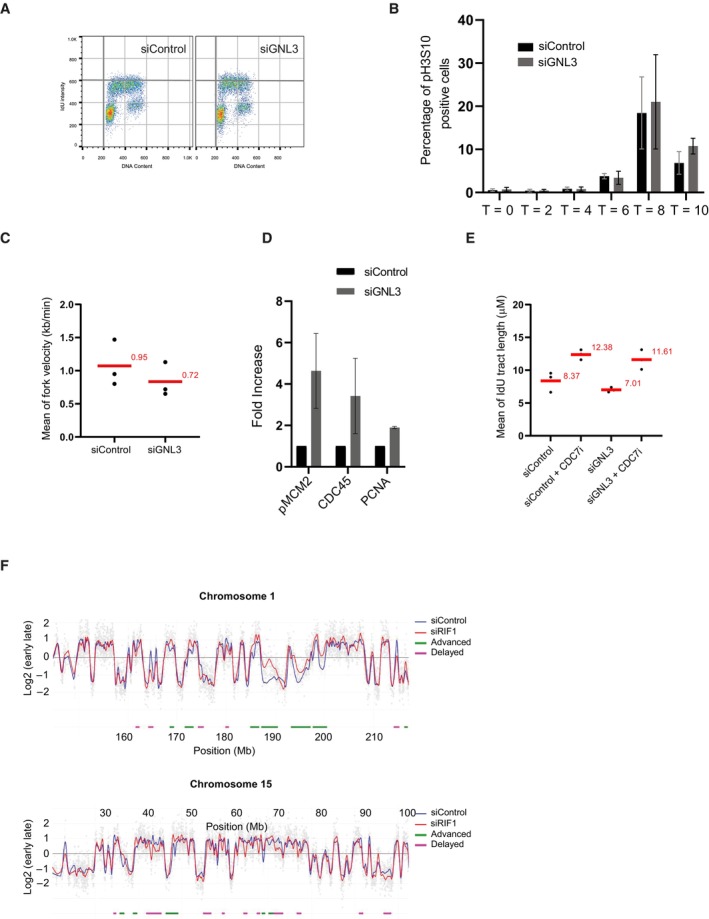
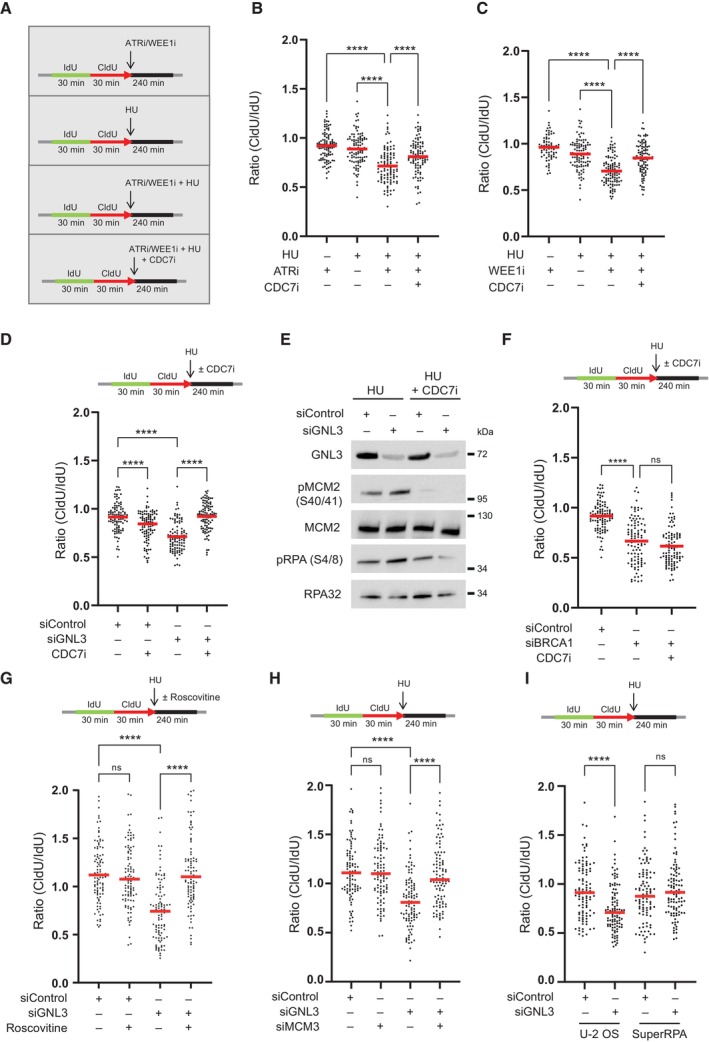
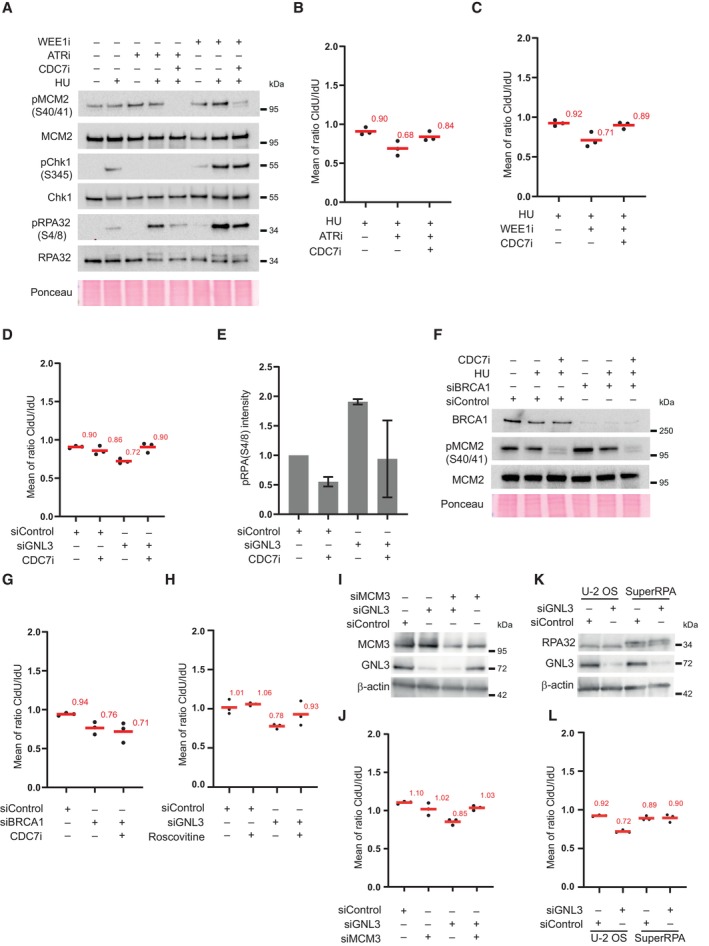
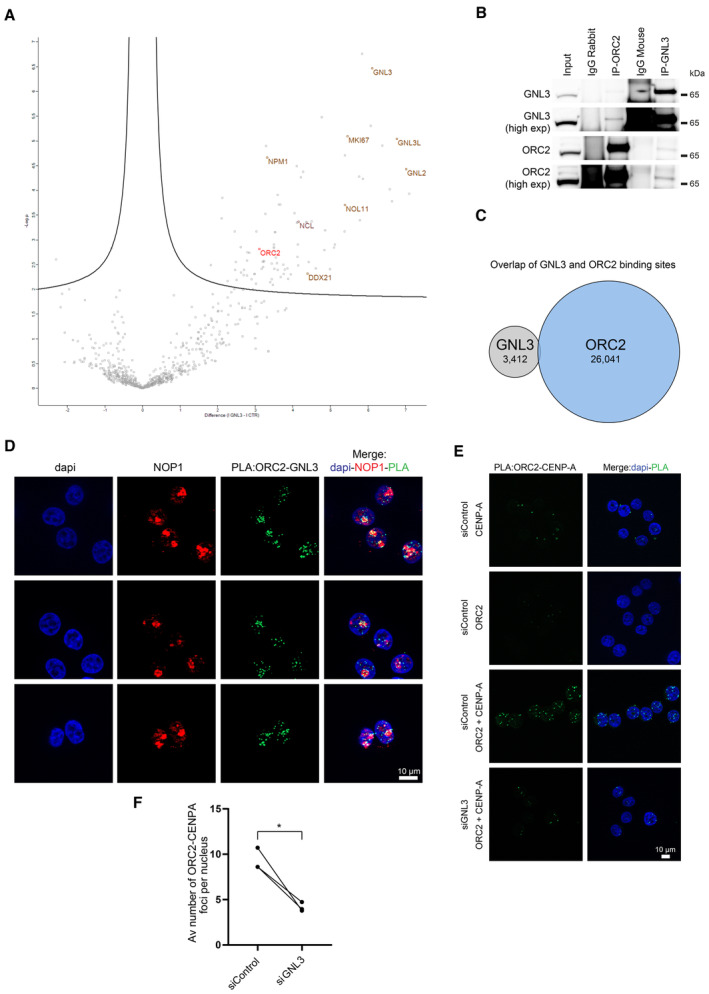
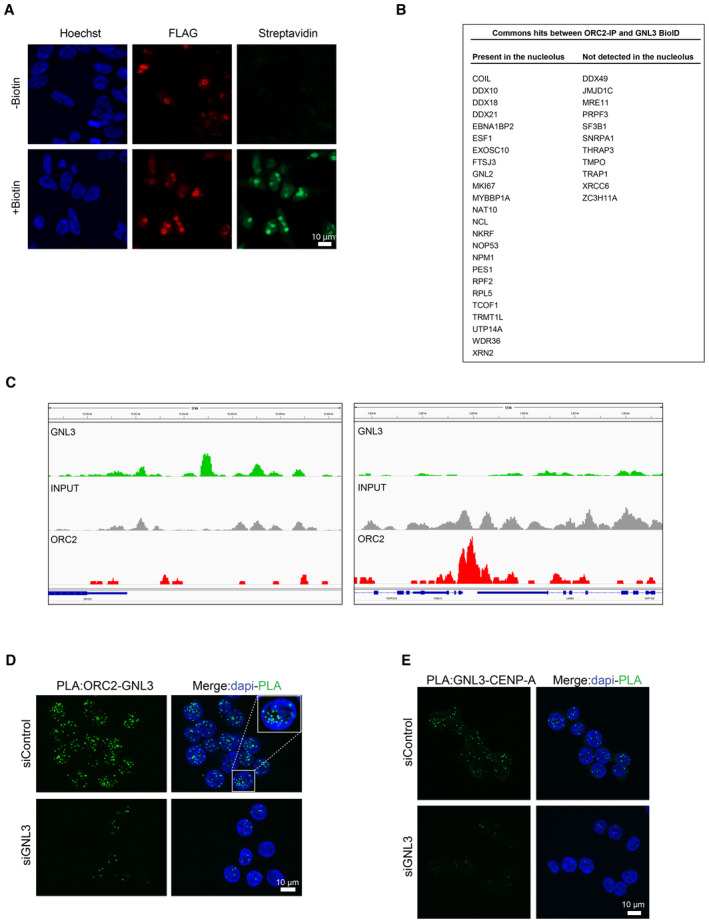
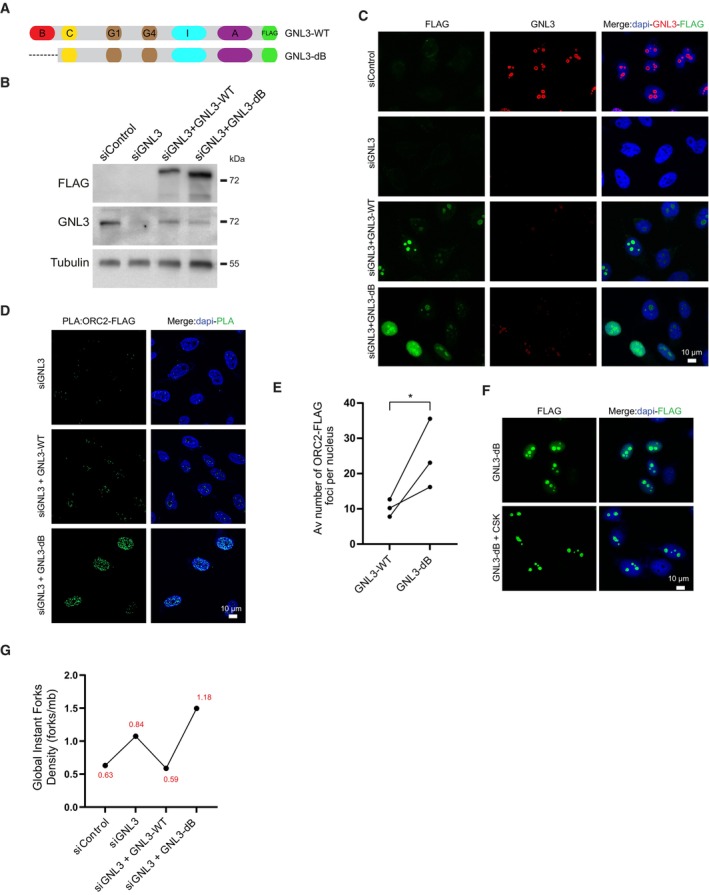
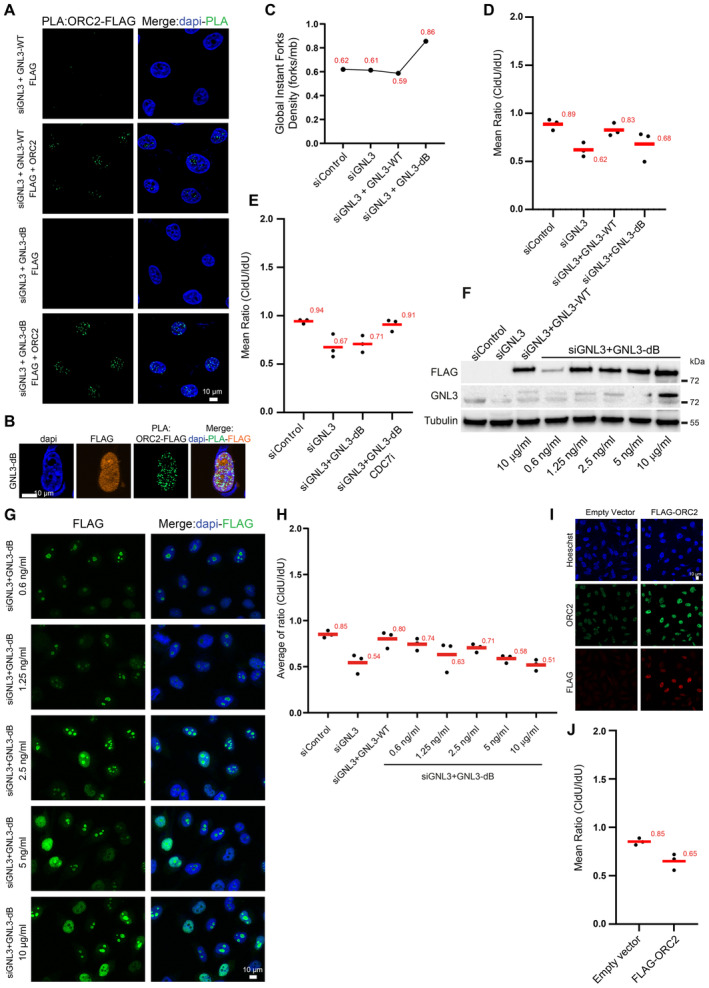
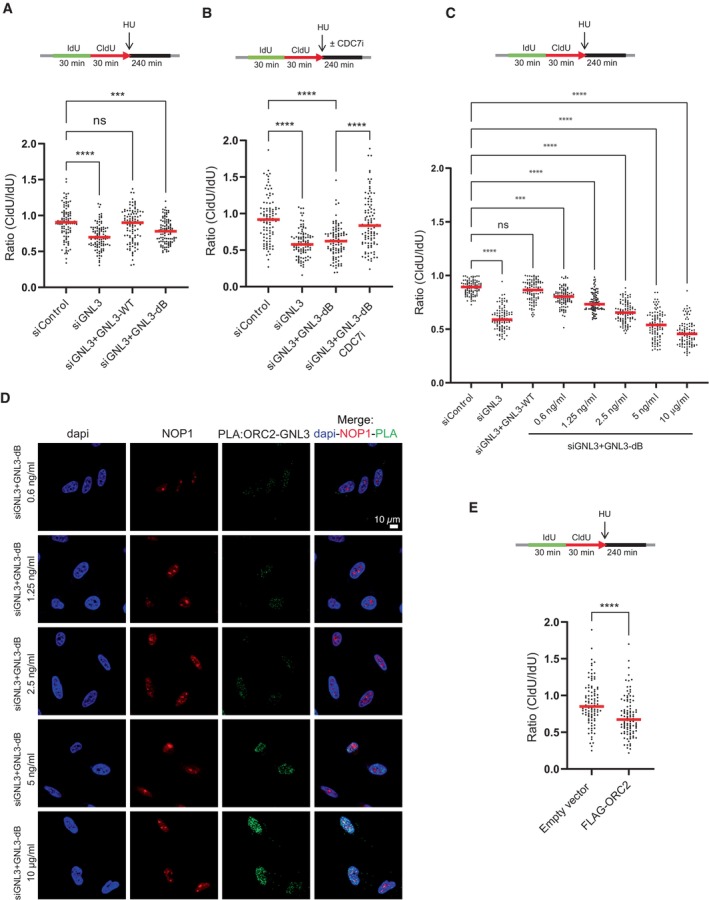
Faithful DNA replication requires specific proteins that protect replication forks and so prevent the formation of DNA lesions that may damage the genome. Identification of new proteins involved in this process is essential to understand how DNA lesions accumulate in cancer cells and how they tolerate them. Here, we show that human GNL3/nucleostemin, a GTP-binding protein localized mostly in the nucleolus and highly expressed in cancer cells, prevents nuclease-dependent resection of nascent DNA in response to replication stress. We demonstrate that inhibiting origin firing reduces resection. This suggests that the heightened replication origin activation observed upon GNL3 depletion largely drives the observed DNA resection probably due to the exhaustion of the available RPA pool. We show that GNL3 and DNA replication initiation factor ORC2 interact in the nucleolus and that the concentration of GNL3 in the nucleolus is required to limit DNA resection. We propose that the control of origin firing by GNL3 through the sequestration of ORC2 in the nucleolus is critical to prevent nascent DNA resection in response to replication stress.
忠实的 DNA 复制需要特定的蛋白质来保护复制叉,从而防止可能损害基因组的 DNA 损伤的形成。鉴定参与这个过程的新蛋白质对于理解 DNA 损伤如何在癌细胞中积累以及它们如何耐受这些损伤至关重要。在这里,我们表明,人类 GNL3/nucleostemin,一种主要定位于核仁且在癌细胞中高度表达的 GTP 结合蛋白,可防止在复制应激时依赖核酸酶的新生 DNA 切除。我们证明,抑制起始原点的激活可减少切除。这表明,在 GNL3 耗竭时观察到的高度激活的复制起始原点主要驱动了所观察到的 DNA 切除,这可能是由于可用的 RPA 池的耗尽。我们表明,GNL3 和 DNA 复制起始因子 ORC2 在核仁中相互作用,并且核仁中 GNL3 的浓度对于限制 DNA 切除是必需的。我们提出,GNL3 通过将 ORC2 隔离在核仁中来控制起始原点的激活,这对于防止复制应激时新生 DNA 的切除至关重要。