Department of Dentistry, National Taiwan University Hospital, Hsinchu Branch, Hsinchu, Taiwan.
Graduate Institute of Clinical Dentistry, School of Dentistry, National Taiwan University, Taipei, Taiwan.
BMC Oral Health. 2023 Nov 20;23(1):887. doi: 10.1186/s12903-023-03589-5.
Non-surgical mini-implant assisted rapid palatal expansion, or midfacial skeletal expansion, is a paradigm-shifting concept that in recent years has expanded the envelope of orthopedic movement in the transverse direction for adult patients. Although adding mini-screws to a rapid palatal expander is not complicated, accurate and successful expansion strongly depends on the device's position and its relation to the resisting structures of the maxillofacial complex.
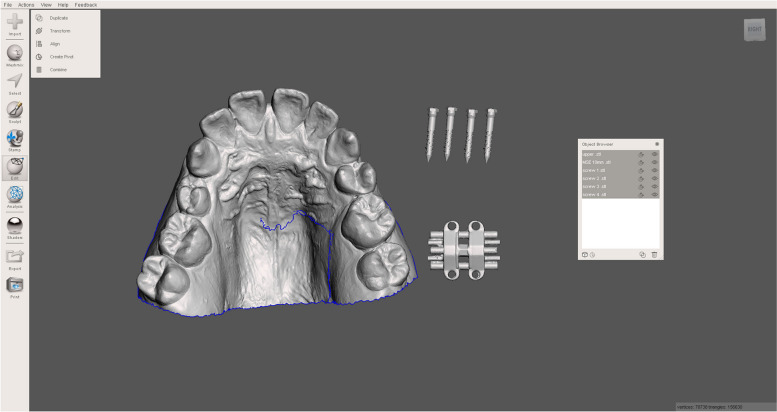
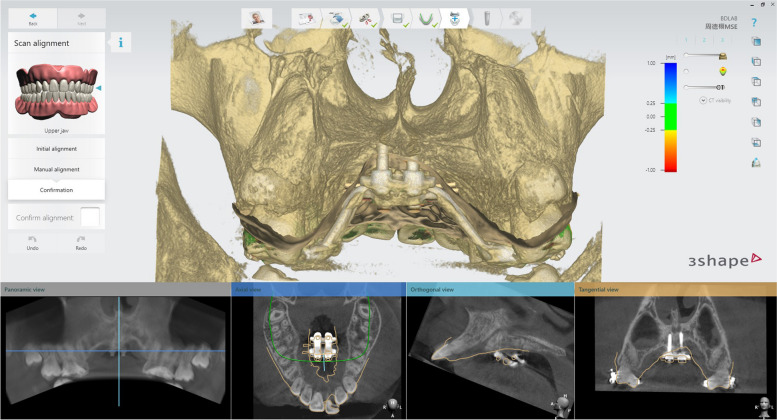
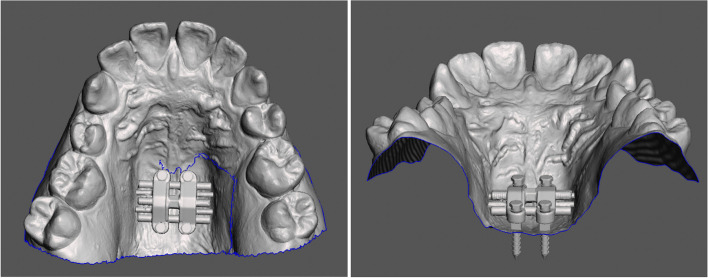
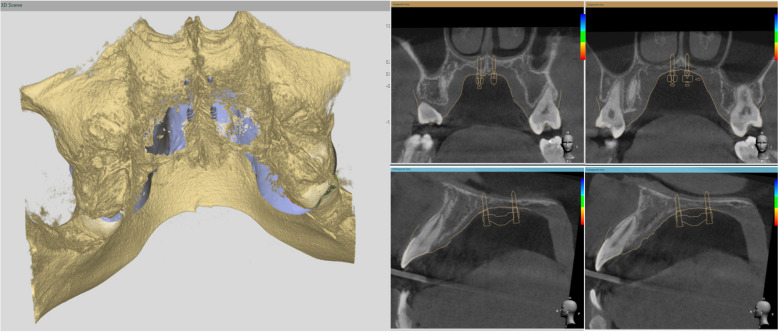
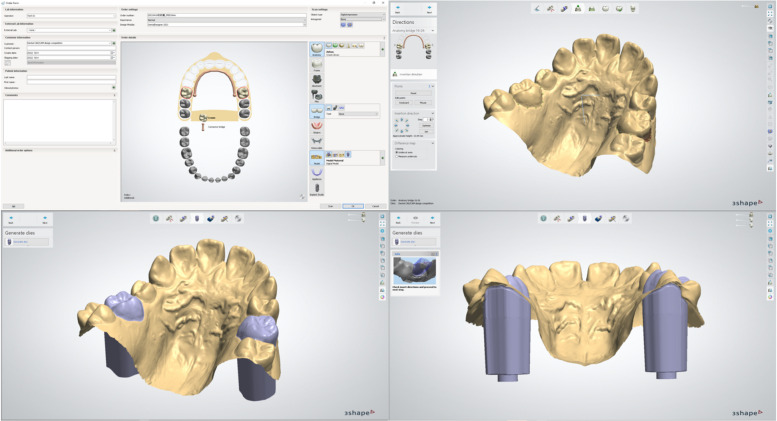
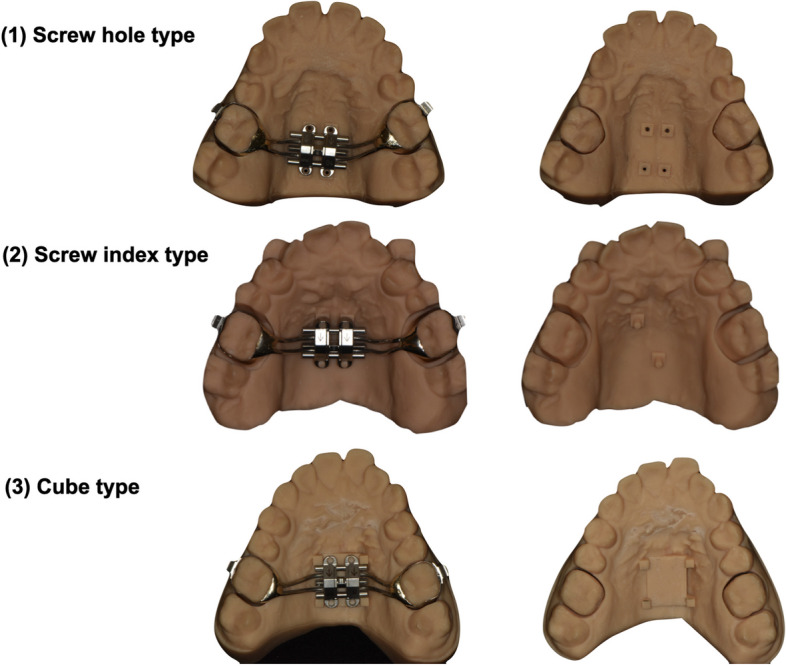
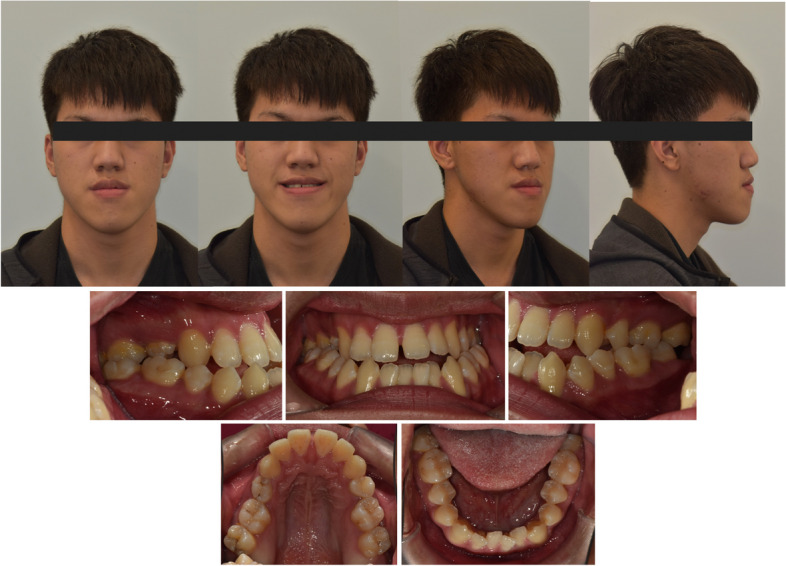
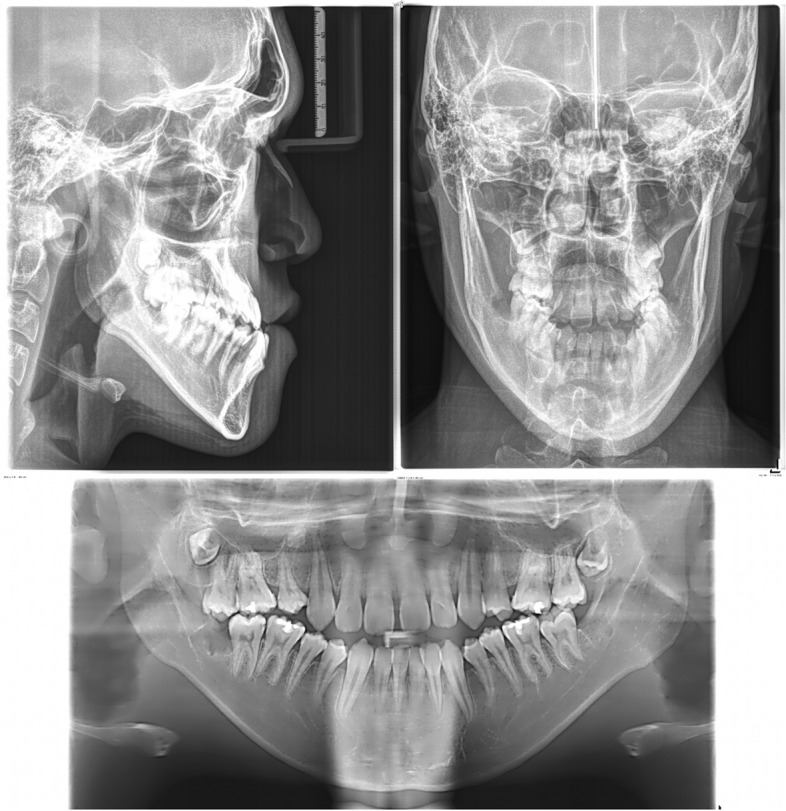
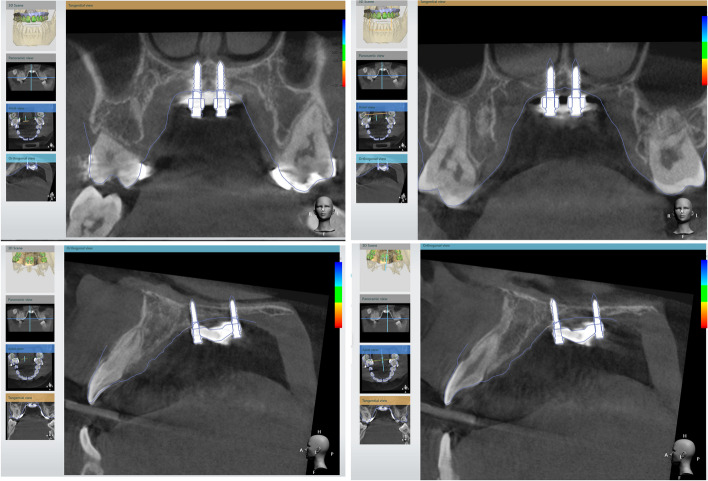
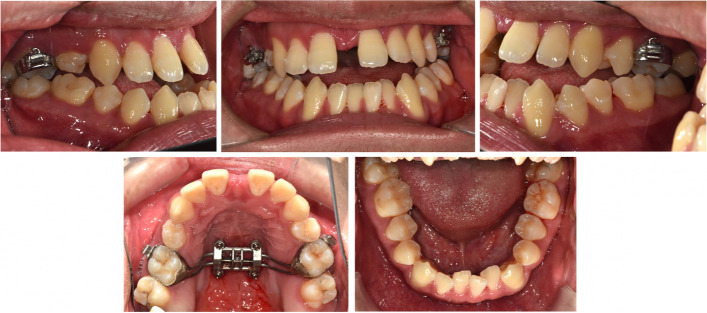
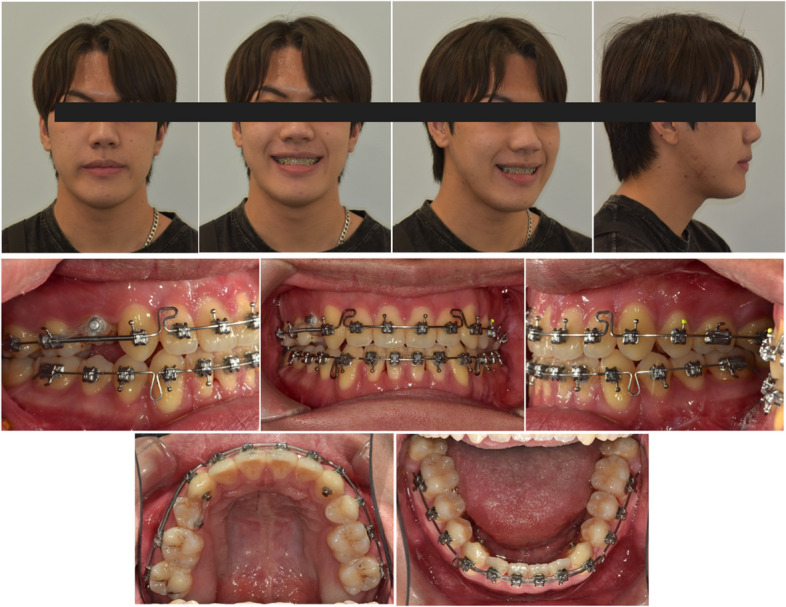
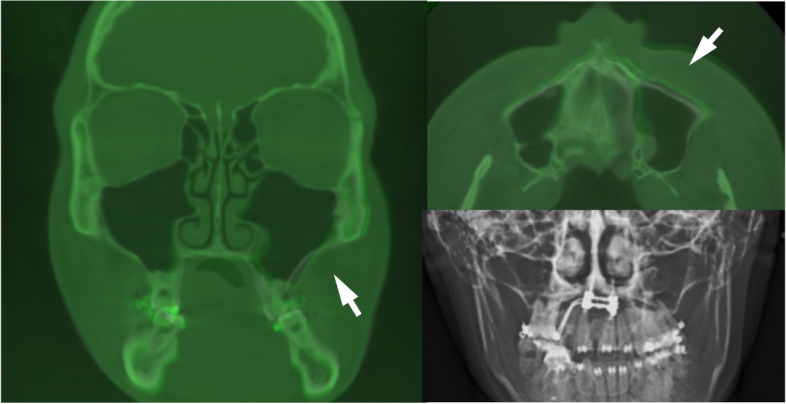
This article presents a digital workflow to locate the optimal position of the Midfacial Skeletal Expander (MSE) device in a CBCT-combined intraoral scan file and describes how to transfer the MSE position intra-orally with properly sized bands during the device fabrication. The complete digital workflow of MSE fabrication and its application for a Class III orthognathic surgical case is presented in detail.
This report describes a completely digital process that can accurately position the MSE device according to the orientation and morphology of maxillary basal bone, which is crucial in adult cases demand maxillary expansion.
非手术微型植入物辅助快速腭扩张或中面部骨骼扩张是一种具有开创性的概念,近年来已经扩展了成人患者的横向骨矫形运动范围。虽然在快速腭扩张器上添加微型螺钉并不复杂,但准确和成功的扩张强烈依赖于设备的位置及其与颌面复合体的阻力结构的关系。
本文提出了一种数字工作流程,用于在 CBCT 结合口内扫描文件中定位中面部骨骼扩张器(MSE)装置的最佳位置,并描述了如何在设备制造过程中通过适当尺寸的带将 MSE 位置转移到口内。详细介绍了 MSE 制造的完整数字工作流程及其在 III 类正颌手术病例中的应用。
本报告描述了一种完全数字化的过程,可以根据上颌基骨的方向和形态准确地定位 MSE 装置,这对于需要上颌扩张的成人病例至关重要。