Medical Bionanotechnology, Faculty of Allied Health Sciences, Chettinad Hospital & Research Institute (CHRI), Chettinad Academy of Research and Education (CARE), Kelambakkam, Chennai, TN, India.
Drug Deliv. 2023 Dec;30(1):2284684. doi: 10.1080/10717544.2023.2284684. Epub 2023 Nov 21.
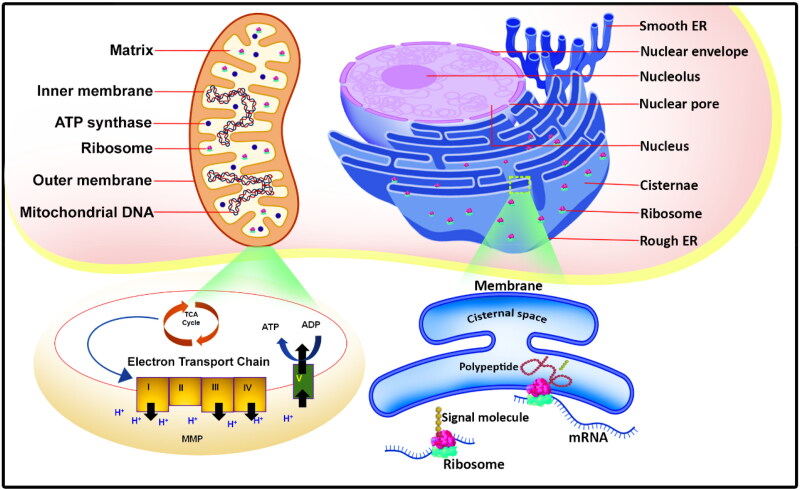
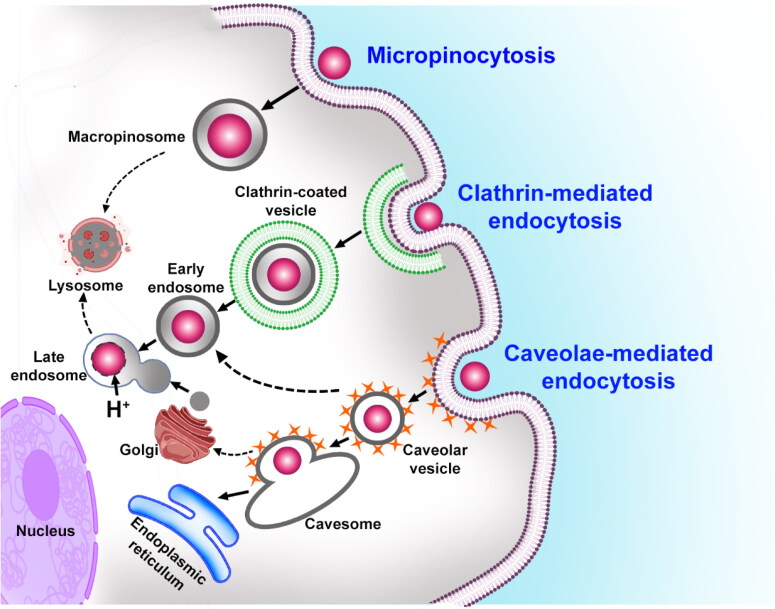
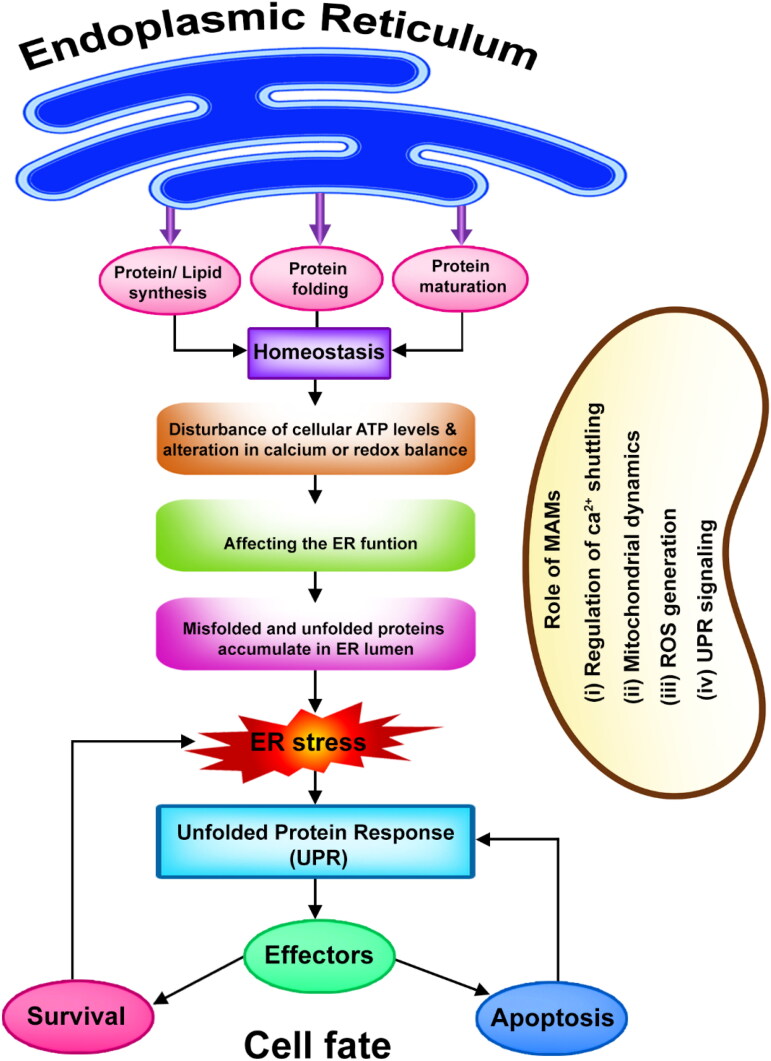
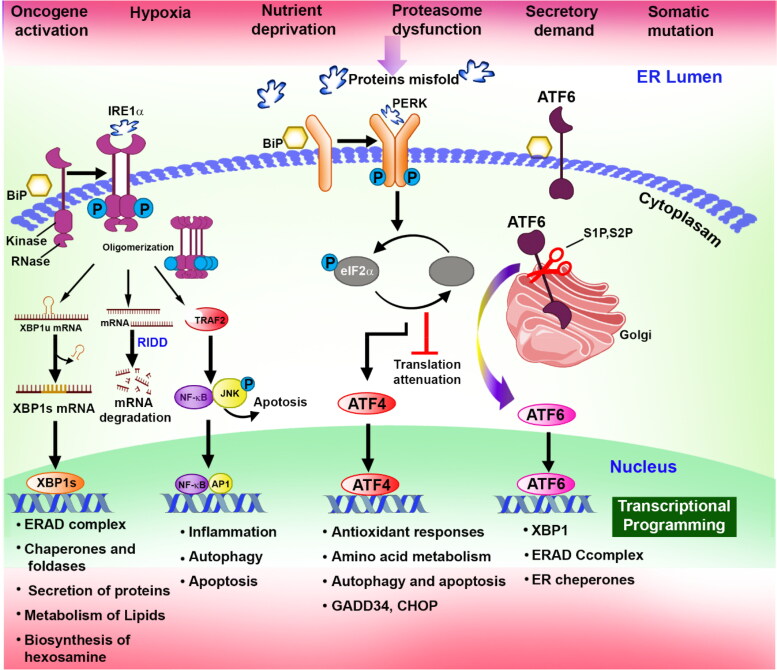
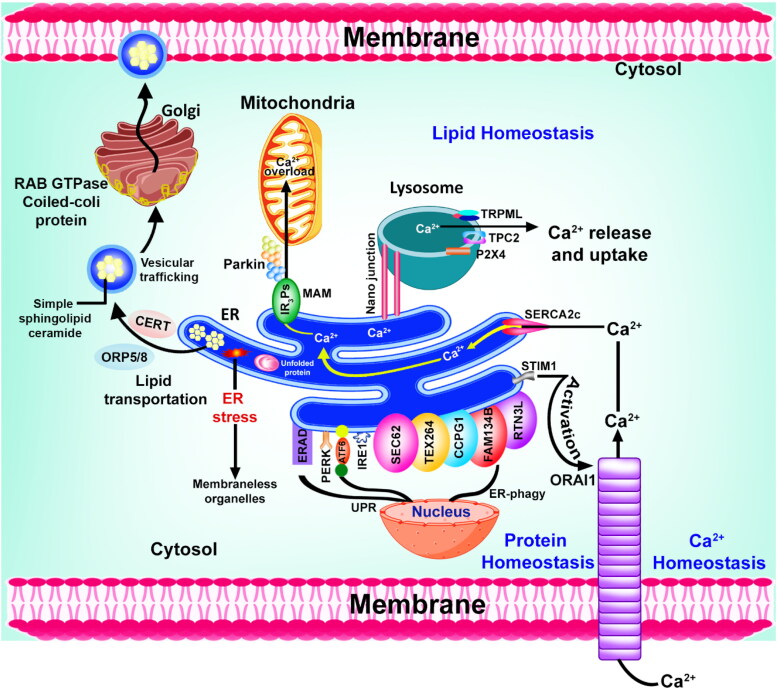
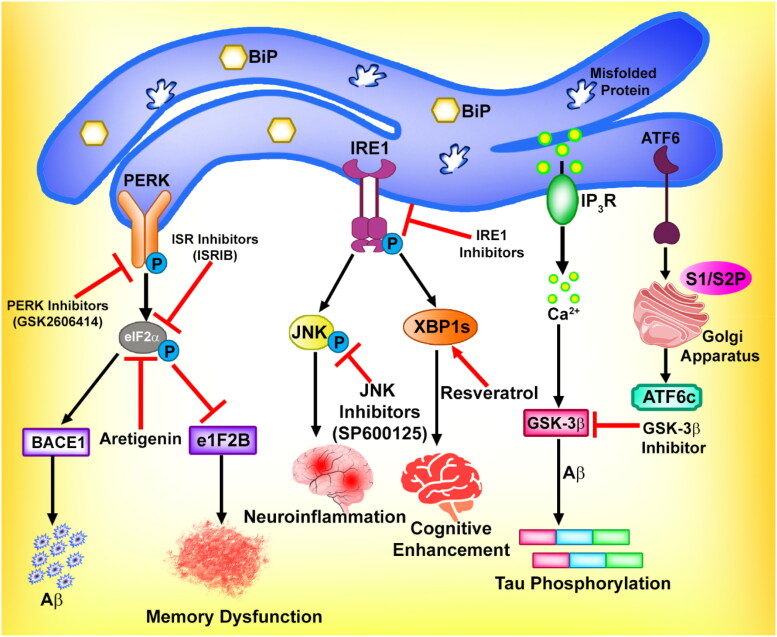
It is evident that site-specific systemic drug delivery can reduce side effects, systemic toxicity, and minimal dosage requirements predominantly by delivering drugs to particular pathological sites, cells, and even subcellular structures. The endoplasmic reticulum (ER) and associated cell organelles play a vital role in several essential cellular functions and activities, such as the synthesis of lipids, steroids, membrane-associated proteins along with intracellular transport, signaling of Ca, and specific response to stress. Therefore, the dysfunction of ER is correlated with numerous diseases where cancer, neurodegenerative disorders, diabetes mellitus, hepatic disorder, etc., are very common. To achieve satisfactory therapeutic results in certain diseases, it is essential to engineer delivery systems that can effectively enter the cells and target ER. Nanoparticles are highly biocompatible, contain a variety of cargos or payloads, and can be modified in a pliable manner to achieve therapeutic effectiveness at the subcellular level when delivered to specific organelles. Passive targeting drug delivery vehicles, or active targeting drug delivery systems, reduce the nonselective accumulation of drugs while reducing side effects by modifying them with small molecular compounds, antibodies, polypeptides, or isolated bio-membranes. The targeting of ER and closely associated organelles in cells using nanoparticles, however, is still unsymmetrically understood. Therefore, here we summarized the pathophysiological prospect of ER stress, involvement of ER and mitochondrial response, disease related to ER dysfunctions, essential therapeutics, and nanoenabled modulation of their delivery to optimize therapy.
很明显,通过将药物递送到特定的病理部位、细胞甚至亚细胞结构,可以实现靶向药物传递,从而减少副作用、降低全身毒性和减少最小剂量需求。内质网(ER)及其相关细胞器在许多重要的细胞功能和活动中起着至关重要的作用,例如脂质、类固醇、膜相关蛋白的合成以及细胞内运输、Ca 信号转导和对特定应激的反应。因此,内质网功能障碍与许多疾病有关,其中癌症、神经退行性疾病、糖尿病、肝脏疾病等非常常见。为了在某些疾病中取得令人满意的治疗效果,必须设计能够有效进入细胞并靶向 ER 的递药系统。纳米颗粒具有高度的生物相容性,包含多种货物或有效载荷,并且可以通过灵活的方式进行修饰,以在递送至特定细胞器时在亚细胞水平上实现治疗效果。通过用小分子化合物、抗体、多肽或分离的生物膜对其进行修饰,被动靶向药物传递载体或主动靶向药物传递系统可以减少药物的非选择性积累,同时减少副作用。然而,使用纳米颗粒靶向 ER 及其在细胞中的密切相关细胞器的机制尚不完全清楚。因此,在这里,我们总结了 ER 应激的病理生理学前景、ER 和线粒体反应的参与、与 ER 功能障碍相关的疾病、必要的治疗方法以及纳米技术对其传递的调节,以优化治疗效果。