Shibata Tomohiro, Bhat Shabir A, Cao DuoYao, Saito Suguru, Bernstein Ellen A, Nishi Erika, Medenilla Juliet D, Wang Erica T, Chan Jessica L, Pisarska Margareta D, Tourtellotte Warren G, Giani Jorge F, Bernstein Kenneth E, Khan Zakir
Department of Pathology and Laboratory Medicine, Cedars-Sinai Medical Center, Los Angeles, California, USA.
Department of Biomedical Sciences, Cedars-Sinai Medical Center, Los Angeles, California, USA.
J Biol Chem. 2024 Jan;300(1):105486. doi: 10.1016/j.jbc.2023.105486. Epub 2023 Nov 20.
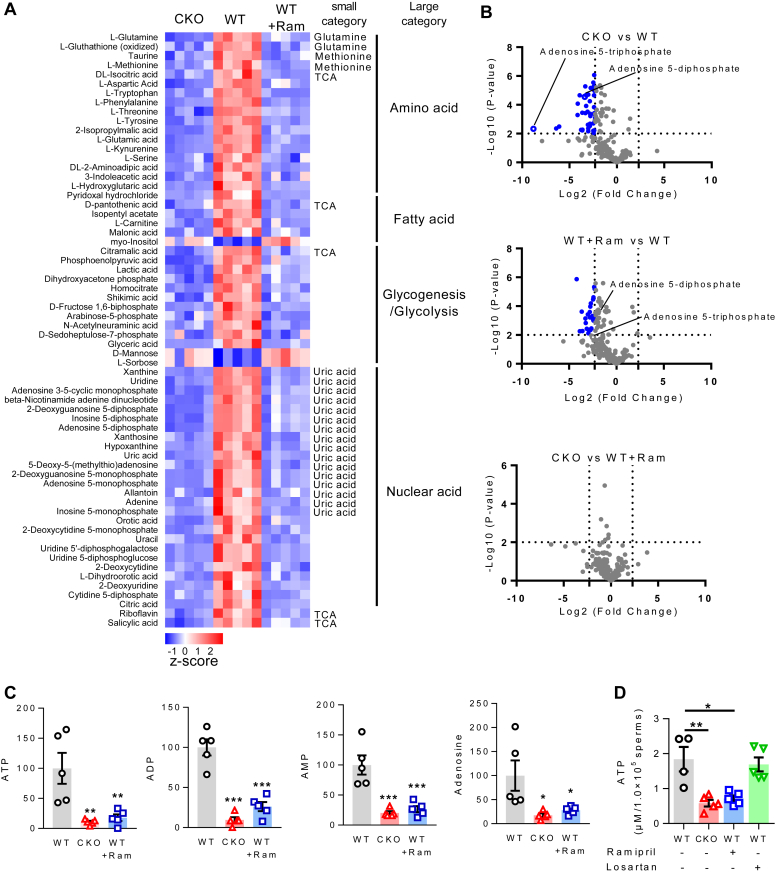
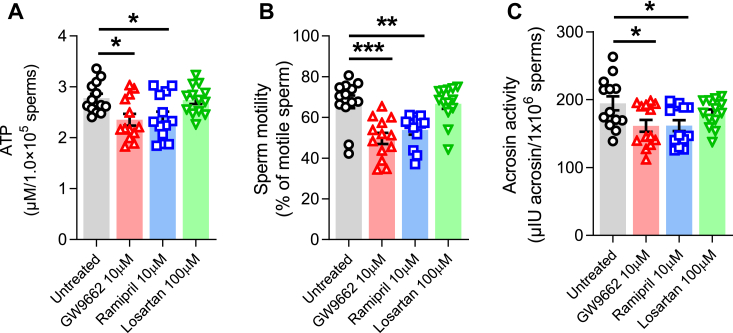
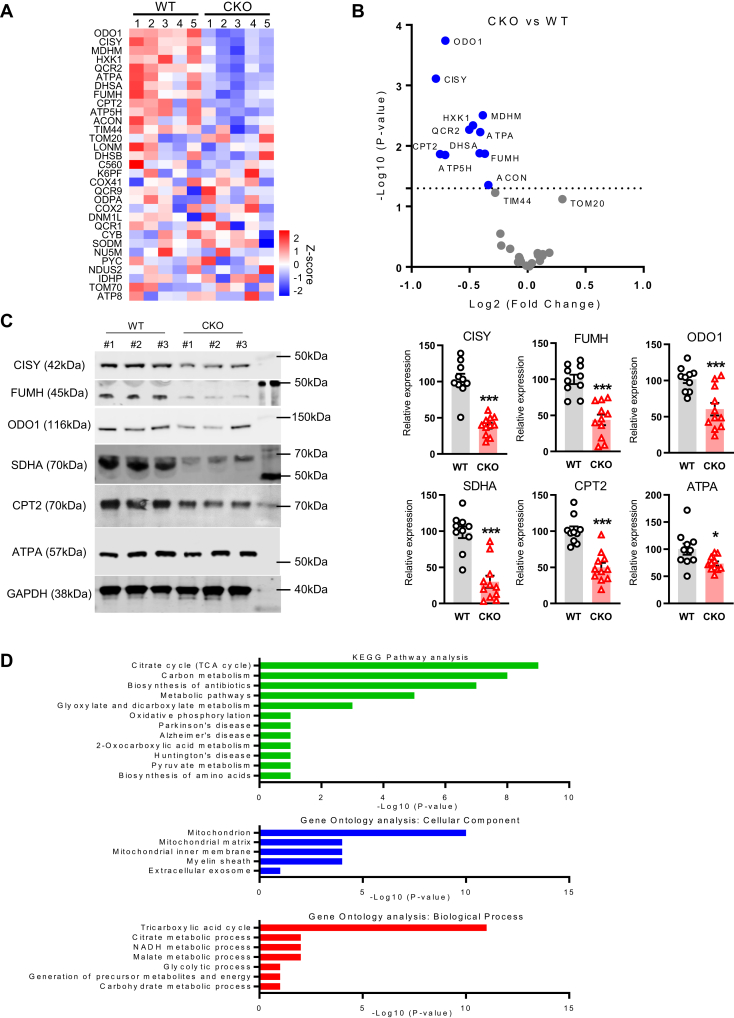
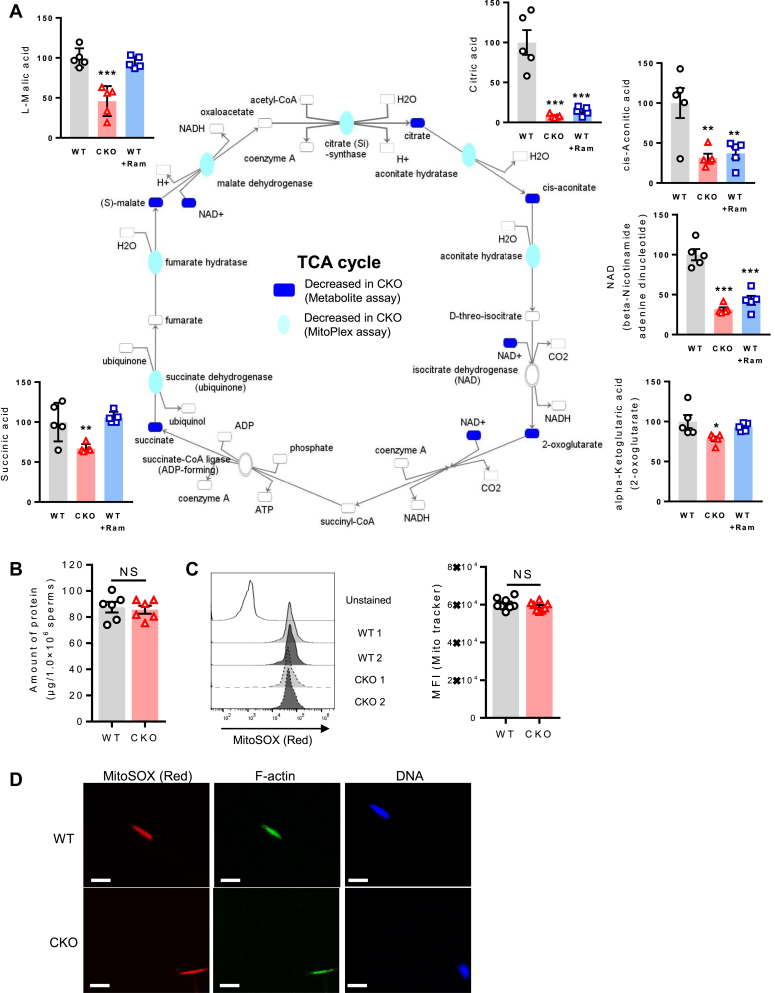
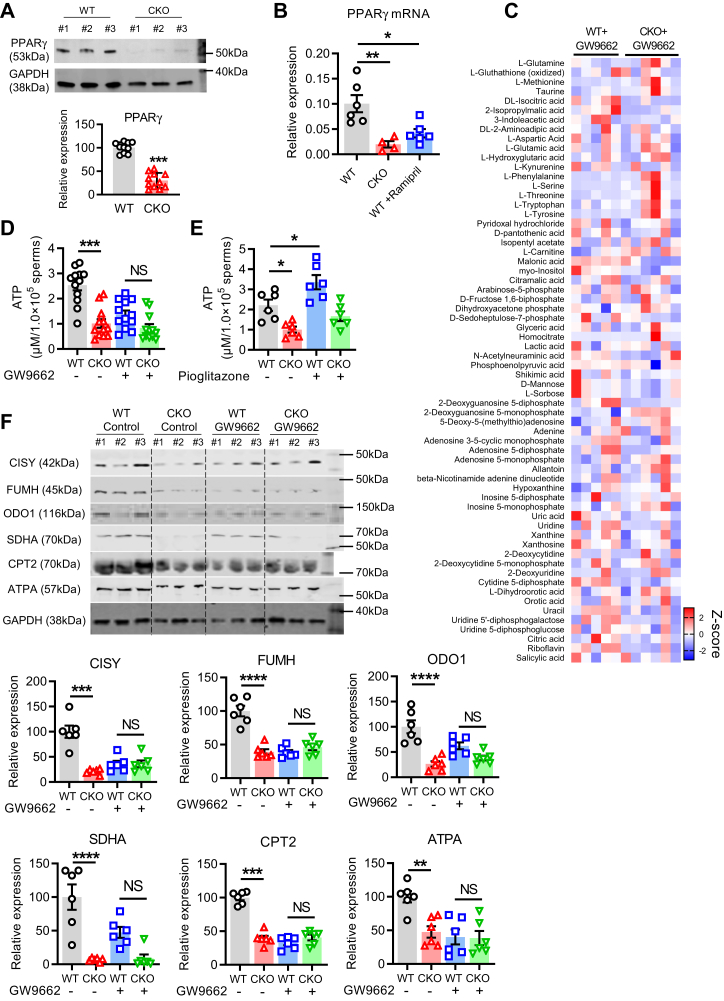
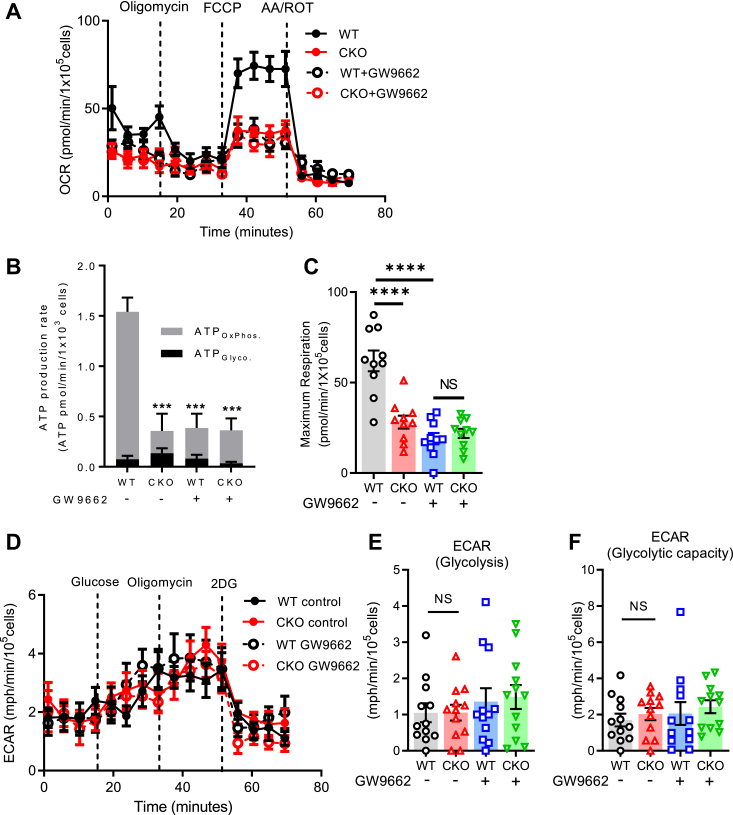
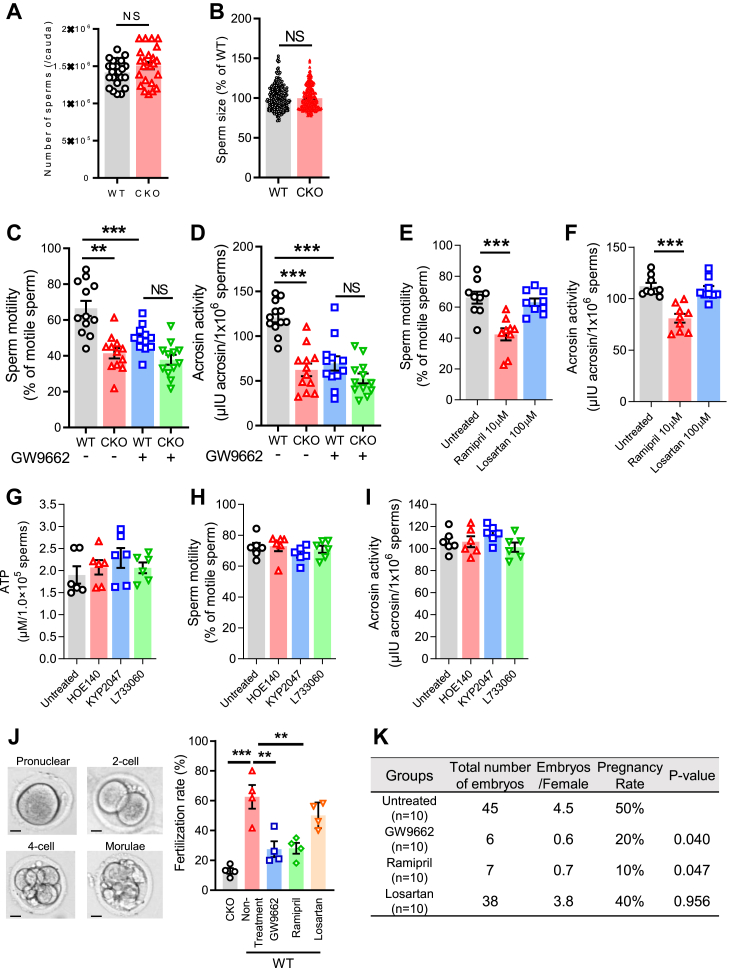
Testis angiotensin-converting enzyme (tACE) plays a critical role in male fertility, but the mechanism is unknown. By using ACE C-domain KO (CKO) mice which lack tACE activity, we found that ATP in CKO sperm was 9.4-fold lower than WT sperm. Similarly, an ACE inhibitor (ACEi) reduced ATP production in mouse sperm by 72%. Metabolic profiling showed that tACE inactivation severely affects oxidative metabolism with decreases in several Krebs cycle intermediates including citric acid, cis-aconitic acid, NAD, α-ketoglutaric acid, succinate, and L-malic acid. We found that sperms lacking tACE activity displayed lower levels of oxidative enzymes (CISY, ODO1, MDHM, QCR2, SDHA, FUMH, CPT2, and ATPA) leading to a decreased mitochondrial respiration rate. The reduced energy production in CKO sperms leads to defects in their physiological functions including motility, acrosine activity, and fertilization in vitro and in vivo. Male mice treated with ACEi show severe impairment in reproductive capacity when mated with female mice. In contrast, an angiotensin II receptor blocker (ARB) had no effect. CKO sperms express significantly less peroxisome proliferators-activated receptor gamma (PPARγ) transcription factor, and its blockade eliminates the functional differences between CKO and WT sperms, indicating PPARγ might mediate the effects of tACE on sperm metabolism. Finally, in a cohort of human volunteers, in vitro treatment with the ramipril or a PPARγ inhibitor reduced ATP production in human sperm and hence its motility and acrosine activity. These findings may have clinical significance since millions of people take ACEi daily, including men who are reproductively active.
睾丸血管紧张素转换酶(tACE)在男性生育中起关键作用,但其机制尚不清楚。通过使用缺乏tACE活性的ACE C结构域敲除(CKO)小鼠,我们发现CKO精子中的ATP比野生型(WT)精子低9.4倍。同样,一种血管紧张素转换酶抑制剂(ACEi)使小鼠精子中的ATP生成减少了72%。代谢谱分析表明,tACE失活严重影响氧化代谢,包括柠檬酸、顺乌头酸、NAD、α-酮戊二酸、琥珀酸和L-苹果酸在内的几种三羧酸循环中间产物减少。我们发现缺乏tACE活性的精子显示出较低水平的氧化酶(CISY、ODO1、MDHM、QCR2、SDHA、FUMH、CPT2和ATPA),导致线粒体呼吸速率降低。CKO精子中能量生成的减少导致其生理功能出现缺陷,包括运动能力、顶体酶活性以及体外和体内受精能力。用ACEi处理的雄性小鼠与雌性小鼠交配时,生殖能力严重受损。相比之下,血管紧张素II受体阻滞剂(ARB)没有影响。CKO精子表达的过氧化物酶体增殖物激活受体γ(PPARγ)转录因子明显较少,其阻断消除了CKO和WT精子之间的功能差异,表明PPARγ可能介导tACE对精子代谢的影响。最后,在一组人类志愿者中,用雷米普利或PPARγ抑制剂进行体外处理会降低人类精子中的ATP生成,从而降低其运动能力和顶体酶活性。这些发现可能具有临床意义,因为每天有数以百万计的人服用ACEi,包括有生殖能力的男性。