College of Medicine and Biological Information Engineering, Northeastern University, Shenyang, 110167, Liaoning, China.
State Key Laboratory of Frigid Zone Cardiovascular Diseases (SKLFZCD), Cardiovascular Research Institute and Department of Cardiology, General Hospital of Northern Theater Command, Shenyang, 110016, China.
Sci Rep. 2023 Nov 22;13(1):20520. doi: 10.1038/s41598-023-46440-1.
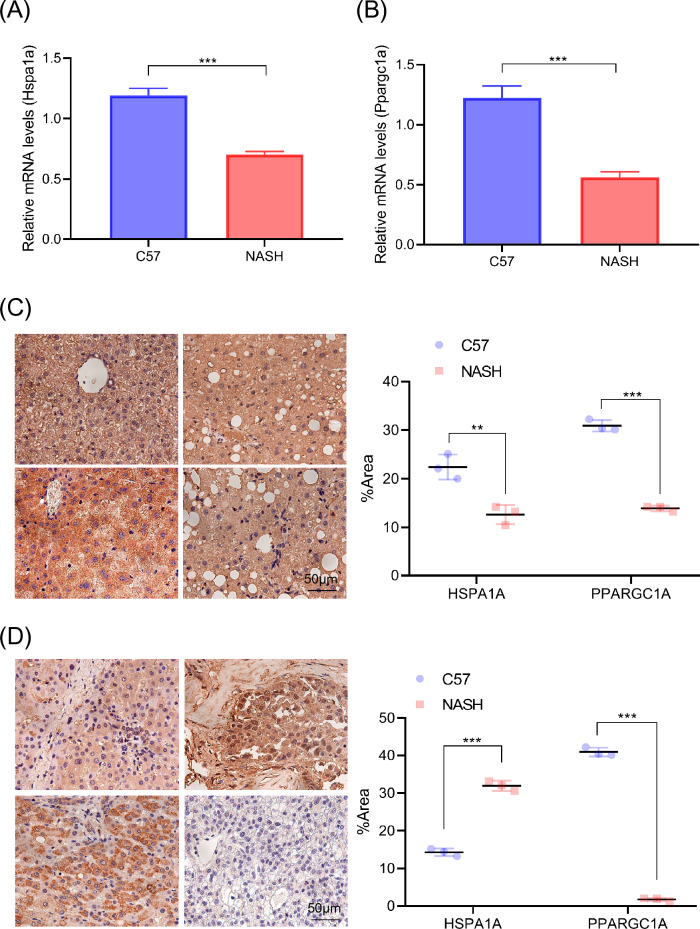
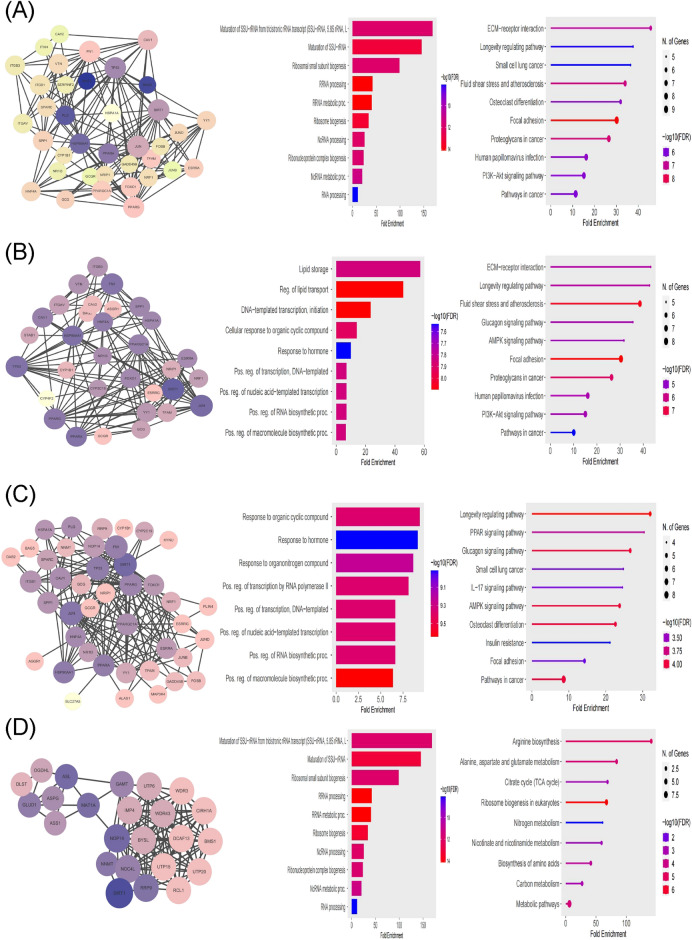
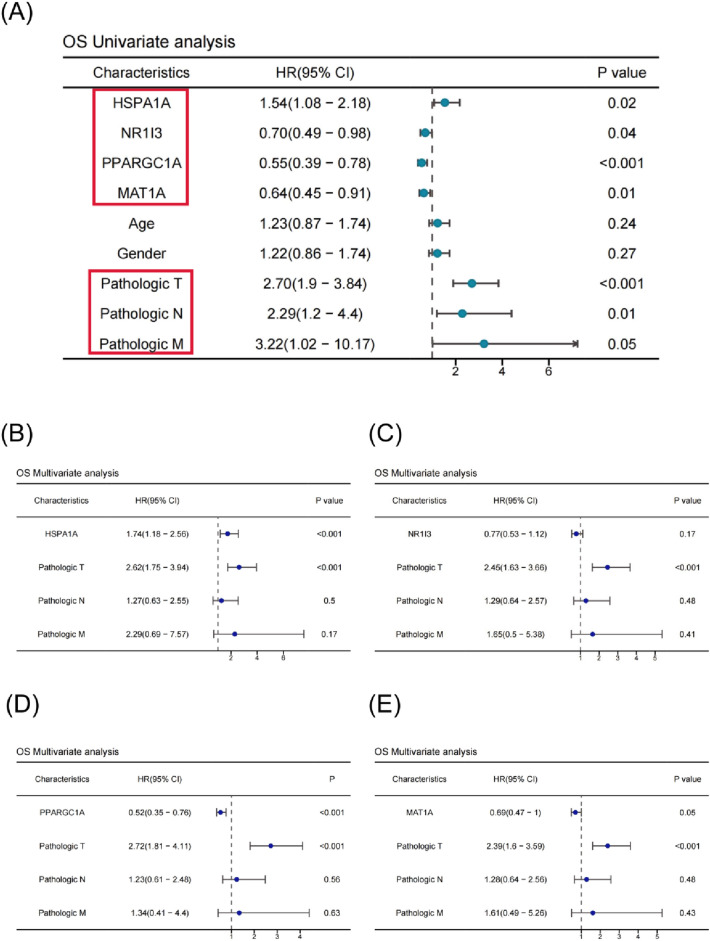
Benzopyrene (B[a]P) is a well-known carcinogen that can induce chronic inflammation and fibrosis in the liver, leading to liver disease upon chronic exposure. Nonalcoholic steatohepatitis (NASH) is a chronic liver condition characterized by fat accumulation, inflammation, and fibrosis, often resulting in hepatocellular carcinoma (HCC). In this study, we aimed to investigate the intricate connections between B[a]P exposure, NASH, and HCC. Through comprehensive bioinformatics analysis of publicly available gene expression profiles, we identified differentially expressed genes (DEGs) associated with B[a]P exposure, NASH, and liver cancer. Furthermore, network analysis revealed hub genes and protein-protein interactions, highlighting cellular metabolic dysfunction and disruption of DNA damage repair in the B[a]P-NASH-HCC process. Notably, HSPA1A and PPARGC1A emerged as significant genes in this pathway. To validate their involvement, we conducted qPCR analysis on cell lines and NASH mouse liver tissues and performed immunohistochemistry labeling in mouse and human HCC liver sections. These findings provide crucial insights into the potential regulatory mechanisms underlying benzopyrene-induced hepatotoxicity, shedding light on the pathogenesis of B[a]P-associated NASH and HCC. Moreover, our study suggests that HSPA1A and PPARGC1A could serve as promising therapeutic targets. Enhancing our understanding of their regulatory roles may facilitate the development of targeted therapies, leading to improved patient outcomes.
苯并[a]芘(B[a]P)是一种众所周知的致癌物质,可在肝脏中引起慢性炎症和纤维化,导致慢性暴露后发生肝病。非酒精性脂肪性肝炎(NASH)是一种慢性肝脏疾病,其特征为脂肪堆积、炎症和纤维化,常导致肝细胞癌(HCC)。在这项研究中,我们旨在研究 B[a]P 暴露、NASH 和 HCC 之间的复杂联系。通过对公开的基因表达谱进行综合生物信息学分析,我们鉴定出与 B[a]P 暴露、NASH 和肝癌相关的差异表达基因(DEGs)。此外,网络分析揭示了枢纽基因和蛋白质-蛋白质相互作用,突出了 B[a]P-NASH-HCC 过程中细胞代谢功能障碍和 DNA 损伤修复的破坏。值得注意的是,HSPA1A 和 PPARGC1A 是该途径中的重要基因。为了验证它们的参与,我们在细胞系和 NASH 小鼠肝组织上进行了 qPCR 分析,并在小鼠和人 HCC 肝组织切片上进行了免疫组织化学标记。这些发现为苯并[a]芘诱导的肝毒性的潜在调节机制提供了重要的见解,阐明了 B[a]P 相关的 NASH 和 HCC 的发病机制。此外,我们的研究表明 HSPA1A 和 PPARGC1A 可以作为有前途的治疗靶点。增强我们对它们调节作用的理解可能有助于开发靶向治疗,从而改善患者的预后。