Carroll John, Colley Eamonn, Cartmill Michael, Thomas Shannon D
Vexev Pty Ltd, Sydney, NSW, Australia.
Department of Vascular Surgery, Prince of Wales Hospital, Sydney, NSW, Australia.
J Vasc Access. 2025 Jan;26(1):242-250. doi: 10.1177/11297298231210019. Epub 2023 Nov 23.
Arteriovenous fistulae (AVF) and Arteriovenous Grafts (AVG) may present a problematic vascular access for renal replacement therapy (RRT), reliant on recurrent specialist nurse and medical evaluation. Dysfunctional accesses are frequently referred 'out of the dialysis clinic' for specialist sonographic examination, with associated delays potentiating loss of vascular access viability and/or need for emergency intervention. Definitive anatomical and functional diagnostics based in the dialysis unit may help to solve these delays and associated complications.
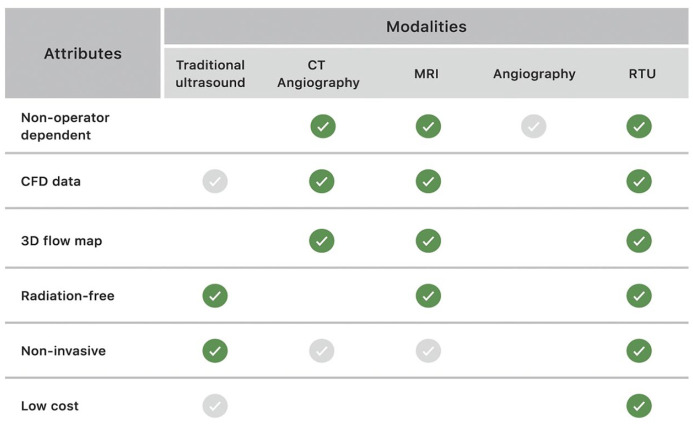
This publication reports a novel vascular access monitoring concept, Robotic Tomographic Ultrasound (RTU).
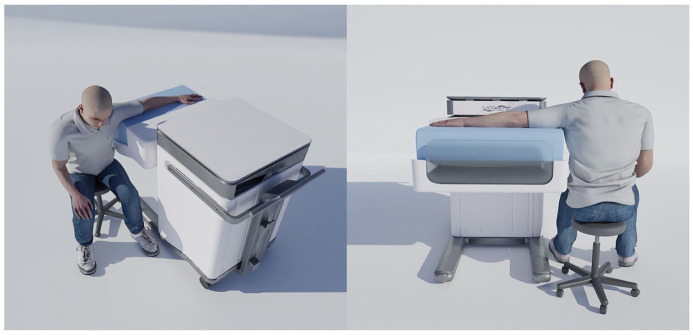
Robotic Tomographic Ultrasound incorporates a semi-autonomous, robotic vascular ultrasound system and purpose designed analysis software that can be deployed at the point of care. Three-dimensional scan data, as well as conventional B-Mode and Doppler data are obtained by the system and transferred to a cloud based reporting and analysis software. Scans are remotely annotated and interpreted by a sonographer, with diagnostic data presented securely to clinicians on their preferred web based application/web connected device.
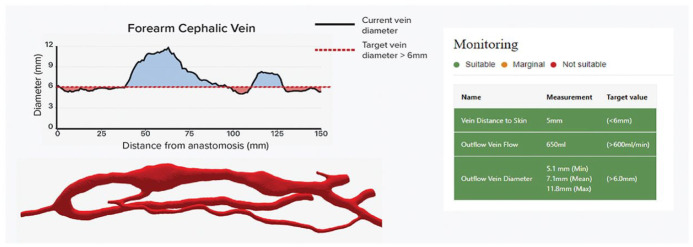
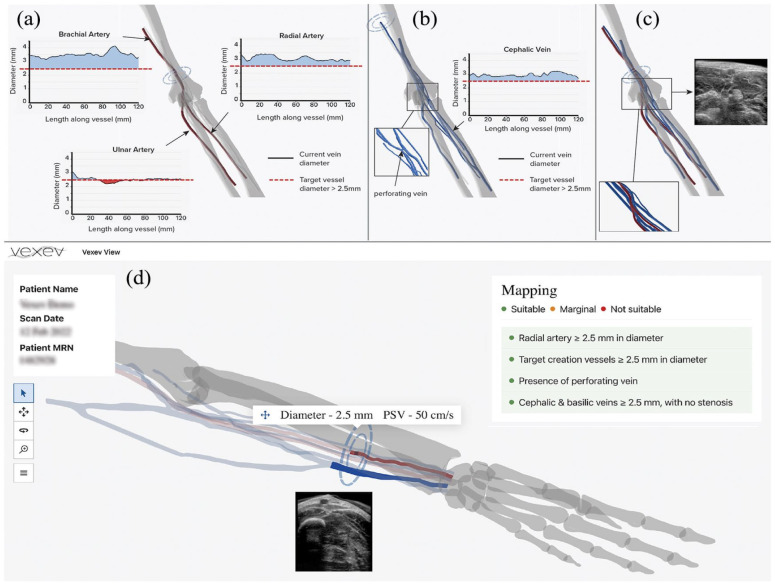
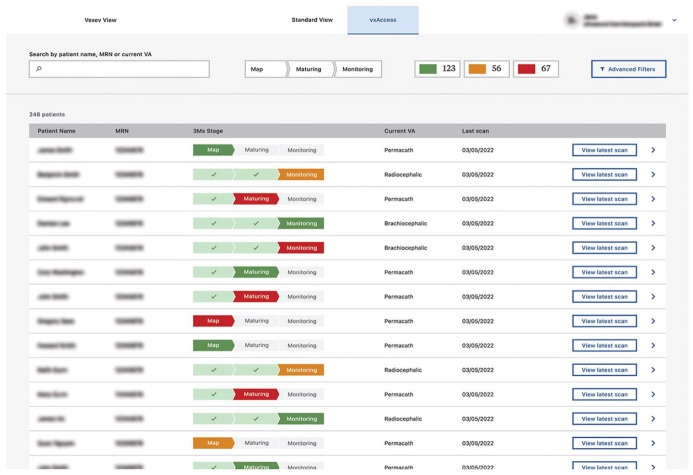
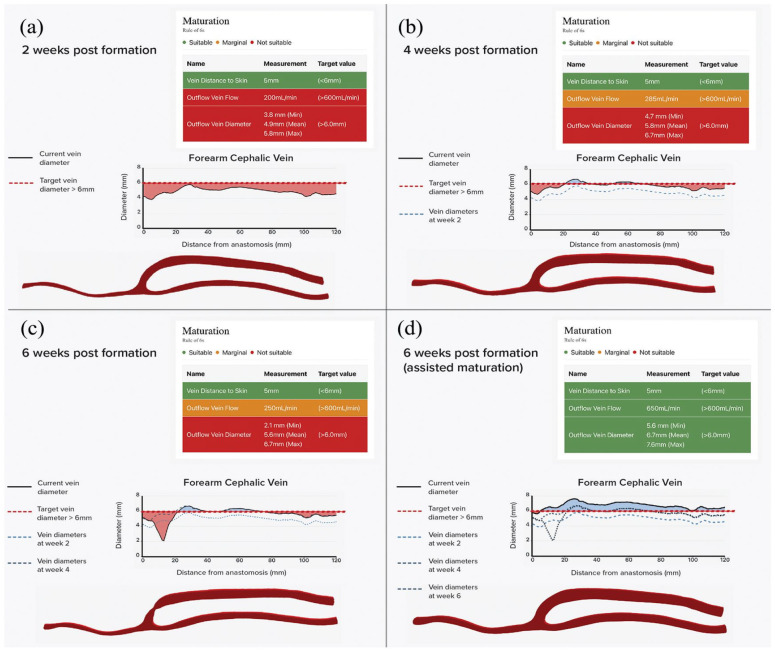
Software developed specifically for pre AVF mapping, maturation and monitoring protocols, analyse the data and then present interpreted results to all caring clinicians to assist with decision making. Vascular access planning can be determined with high confidence with data from the Map module. Maturation data can be presented in line with institutional requirements to the dialysis nurse, facilitating precocious needle access.
Robotic Tomographic Ultrasound is a novel approach to vascular access management that may reduce the risk of loss of functional access by regular monitoring with the system; automated alerts guiding clinicians to the need for pre-emptive intervention, and the potential to increase longevity of the vascular access.
动静脉内瘘(AVF)和动静脉移植物(AVG)可能为肾脏替代治疗(RRT)带来有问题的血管通路,这依赖于反复的专科护士和医学评估。功能失调的通路经常被转诊至透析门诊以外进行专科超声检查,相关的延误可能会增加血管通路丧失功能和/或需要紧急干预的风险。基于透析单元的明确解剖和功能诊断可能有助于解决这些延误及相关并发症。
本出版物报告了一种新型的血管通路监测概念,即机器人断层超声(RTU)。
机器人断层超声结合了一个半自动的机器人血管超声系统和专门设计的分析软件,可在护理点部署。该系统获取三维扫描数据以及传统的B超和多普勒数据,并将其传输到基于云的报告和分析软件中。扫描由超声医师进行远程标注和解读,诊断数据会安全地呈现给临床医生,通过他们首选的基于网络的应用程序/联网设备查看。
专门为AVF术前评估、成熟度和监测方案开发的软件,对数据进行分析,然后将解释后的结果呈现给所有负责的临床医生,以协助决策。利用地图模块的数据,可以高度自信地确定血管通路规划。成熟度数据可以按照机构要求呈现给透析护士,便于提前进行穿刺。
机器人断层超声是一种新型的血管通路管理方法,通过使用该系统进行定期监测,可能会降低功能性通路丧失的风险;自动警报可引导临床医生进行预防性干预,并有可能延长血管通路的使用寿命。