Institute of Medical and Biological Engineering, University of Leeds, Leeds LS2 9JT, UK.
Warwick Clinical Trials Unit, University of Warwick, Coventry CV4 7AL, UK.
Sensors (Basel). 2023 Nov 9;23(22):9061. doi: 10.3390/s23229061.
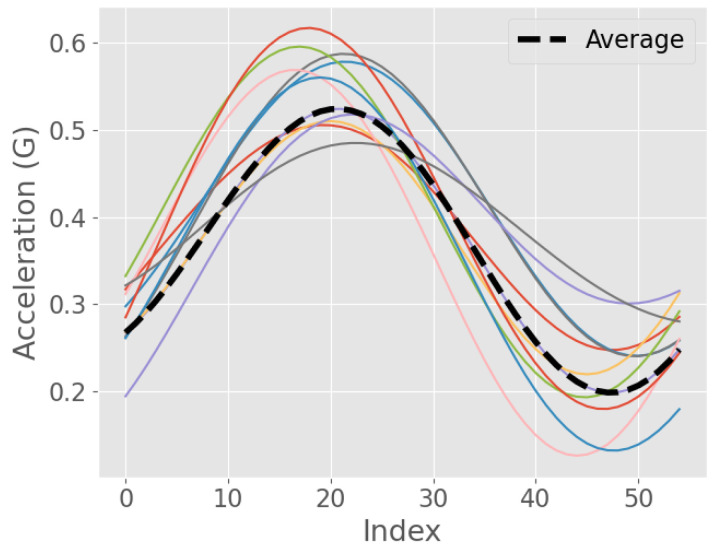
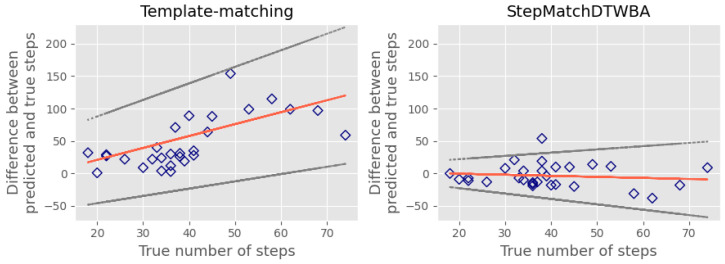
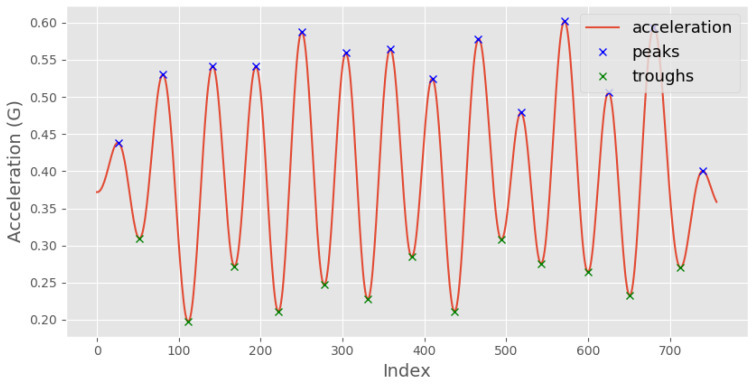
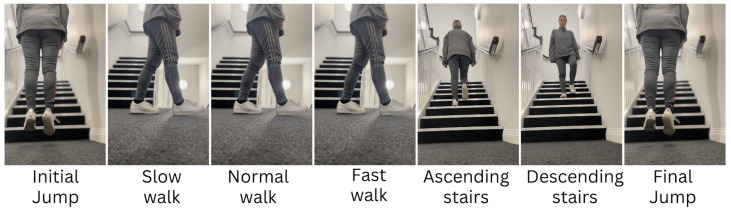
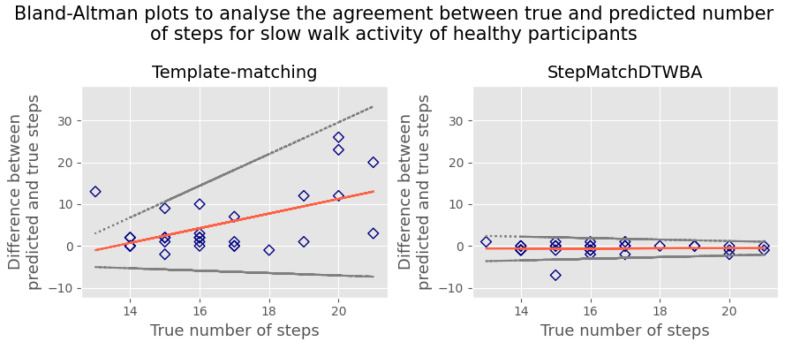
This study aimed to develop and evaluate a new step-count algorithm, StepMatchDTWBA, for the accurate measurement of physical activity using wearable devices in both healthy and pathological populations. We conducted a study with 30 healthy volunteers wearing a wrist-worn MOX accelerometer (Maastricht Instruments, NL). The StepMatchDTWBA algorithm used dynamic time warping (DTW) barycentre averaging to create personalised templates for representative steps, accounting for individual walking variations. DTW was then used to measure the similarity between the template and accelerometer epoch. The StepMatchDTWBA algorithm had an average root-mean-square error of 2 steps for healthy gaits and 12 steps for simulated pathological gaits over a distance of about 10 m (GAITRite walkway) and one flight of stairs. It outperformed benchmark algorithms for the simulated pathological population, showcasing the potential for improved accuracy in personalised step counting for pathological populations. The StepMatchDTWBA algorithm represents a significant advancement in accurate step counting for both healthy and pathological populations. This development holds promise for creating more precise and personalised activity monitoring systems, benefiting various health and wellness applications.
本研究旨在开发和评估一种新的计步算法 StepMatchDTWBA,以利用可穿戴设备在健康和病理人群中准确测量身体活动。我们进行了一项研究,有 30 名健康志愿者佩戴腕戴式 MOX 加速度计(Maastricht Instruments,NL)。StepMatchDTWBA 算法使用动态时间规整(DTW)重心平均法为代表性步伐创建个性化模板,考虑到个体行走的变化。然后,DTW 用于测量模板和加速度计时间序列之间的相似性。StepMatchDTWBA 算法在距离约 10 米(GAITRite 步道)和一段楼梯的情况下,对健康步态的平均均方根误差为 2 步,对模拟病理步态的平均均方根误差为 12 步。它在模拟病理人群中的基准算法表现出色,展示了在个性化计步方面提高准确性的潜力,适用于病理人群。StepMatchDTWBA 算法代表了在健康和病理人群中准确计步方面的重大进展。这一发展有望为创建更精确和个性化的活动监测系统提供支持,从而造福各种健康和保健应用。