Arima Yoshiko
Department of Psychology, Social and Psychological Research Center for Metaverse, Kyoto University of Advanced Science, 18 Gotanda-Cho, Yamanouchi Ukyo-Ku, Kyoto City, 615-8577 Japan.
BMC Digit Health. 2023;1(1):12. doi: 10.1186/s44247-023-00011-6. Epub 2023 Apr 13.
This study explored physical activity during remote work, most of which takes place while sitting in front of a computer. The purpose of Experiment 1 was to develop a classification for body motion by creating a neural net that can distinguish among several kinds of chest movement. Experiment 2 examined the effects of chest movements on stress and performance on the Navon test to validate the model developed in Experiment 1.
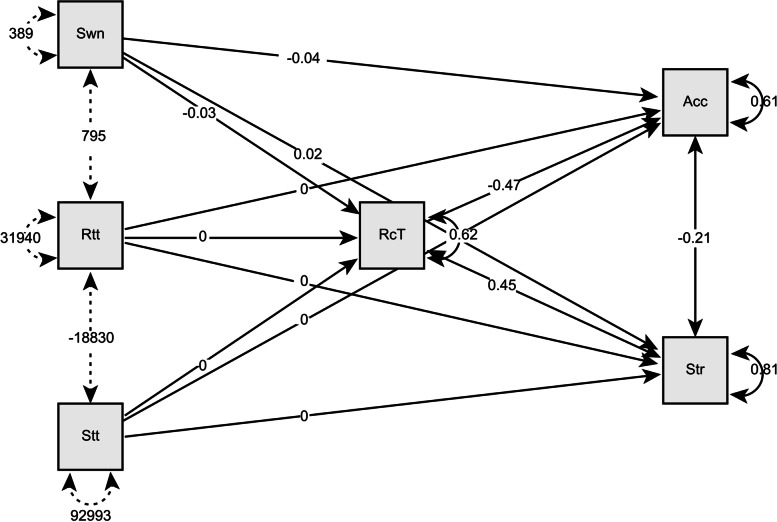
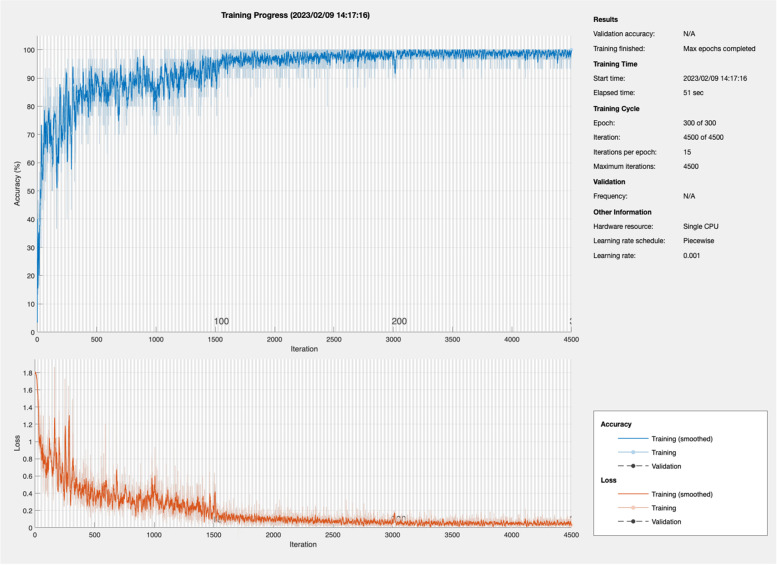
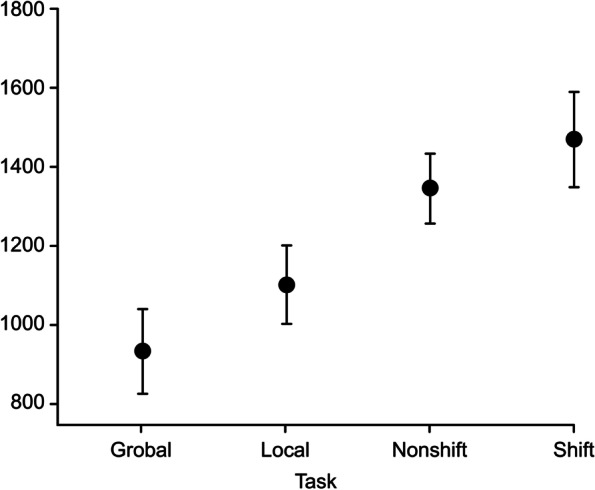
The procedures for this study were as follows.Experiment 1: Creation of the body movement classification model and preliminary experiment for Experiment 2.Data from five participants were used to construct a machine-learning categorization model. The other three participants participated in a pilot study for Experiment 2.Experiment 2: Model validation and confirmation of stress measurement validity.We recruited 34 new participants to test the validity of the model developed in Experiment 1. We asked 10 of the 34 participants to retake the stress measurement since the results of the stress assessment were unreliable.Using LSTM models, we classified six categories of chest movement in Experiment 1: walking, standing up and sitting down, sitting still, rotating, swinging, and rocking. The LSTM models yielded an accuracy rate of 83.8%. Experiment 2 tested the LSTM model and found that Navon task performance correlated with swinging chest movement. Due to the limited reliability of the stress measurement results, we were unable to draw a conclusion regarding the effects of body movements on stress. In terms of cognitive performance, swinging of the chest reduced RT and increased accuracy on the Navon task (β = .015 [-.003,.054], R = .31).
LSTM classification successfully distinguished subtle movements of the chest; however, only swinging was related to cognitive performance. Chest movements reduced the reaction time, improving cognitive performance. However, the stress measurements were not stable; thus, we were unable to draw a clear conclusion about the relationship between body movement and stress. The results indicated that swinging of the chest improved reaction times in the Navon task, while sitting still was not related to cognitive performance or stress. The present article discusses how to collect sensor data and analyze it using machine-learning methods as well as the future applicability of measuring physical activity during remote work.
本研究探讨了远程工作期间的身体活动情况,其中大部分时间是坐在电脑前。实验1的目的是通过创建一个能够区分几种胸部运动的神经网络来开发一种身体运动分类方法。实验2研究了胸部运动对压力和纳冯测试表现的影响,以验证实验1中开发的模型。
本研究的程序如下。
实验1:创建身体运动分类模型及实验2的初步实验。
使用来自五名参与者的数据构建机器学习分类模型。另外三名参与者参与了实验2的预实验。
实验2:模型验证及压力测量有效性的确认。
我们招募了34名新参与者来测试实验1中开发的模型的有效性。由于压力评估结果不可靠,我们让34名参与者中的10名重新进行压力测量。
在实验1中,我们使用长短期记忆(LSTM)模型将胸部运动分为六类:行走、站起和坐下、静坐、旋转、摆动和摇晃。LSTM模型的准确率为83.8%。实验2对LSTM模型进行了测试,发现纳冯任务表现与胸部摆动运动相关。由于压力测量结果的可靠性有限,我们无法就身体运动对压力的影响得出结论。在认知表现方面,胸部摆动减少了反应时间,提高了纳冯任务的准确率(β = 0.015 [-0.003, 0.054],R = 0.31)。
LSTM分类成功区分了胸部的细微运动;然而,只有摆动与认知表现相关。胸部运动减少了反应时间,提高了认知表现。然而,压力测量不稳定;因此,我们无法就身体运动与压力之间的关系得出明确结论。结果表明,胸部摆动改善了纳冯任务中的反应时间,而静坐与认知表现或压力无关。本文讨论了如何收集传感器数据并使用机器学习方法进行分析,以及远程工作期间测量身体活动的未来适用性。