Computational Biology Lab, National Center for Bioinformatics (NCB), Quaid-i-Azam University, Islamabad, 45320, Pakistan.
Sci Rep. 2023 Nov 28;13(1):20894. doi: 10.1038/s41598-023-48186-2.
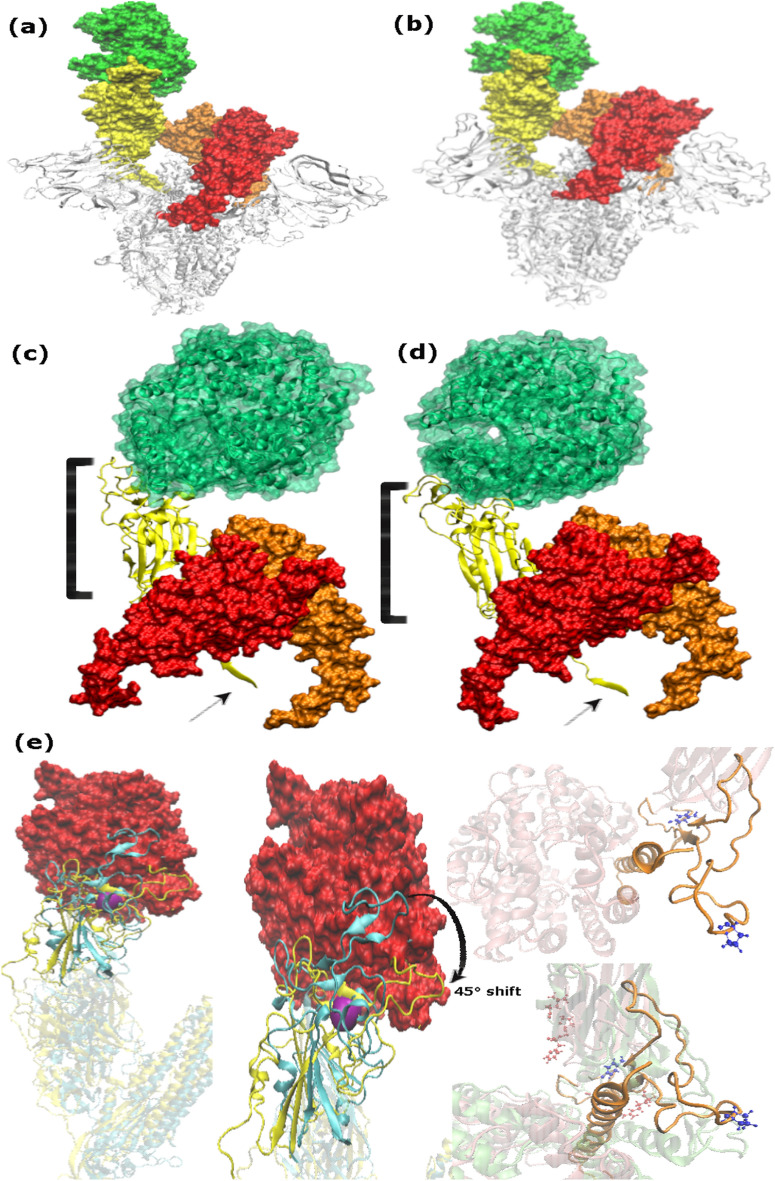
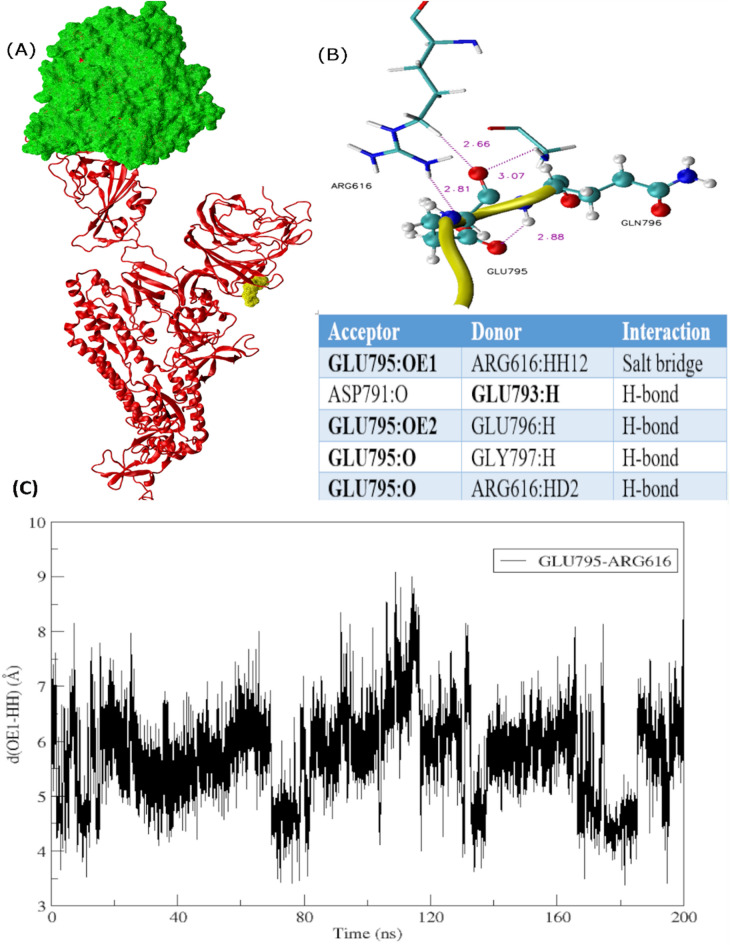
SARS-Cov-2 Omicron variant and its highly transmissible sublineages amidst news of emerging hybrid variants strengthen the evidence of its ability to rapidly spread and evolve giving rise to unprecedented future waves. Owing to the presence of isolated RBD, monomeric and trimeric Cryo-EM structures of spike protein in complex with ACE2 receptor, comparative analysis of Alpha, Beta, Gamma, Delta, and Omicron assist in a rational assessment of their probability to evolve as new or hybrid variants in future. This study proposes the role of hydration forces in mediating Omicron function and dynamics based on a stronger interplay between protein and solvent with each Covid wave. Mutations of multiple hydrophobic residues into hydrophilic residues underwent concerted interactions with water leading to variations in charge distribution in Delta and Omicron during molecular dynamics simulations. Moreover, comparative analysis of interacting moieties characterized a large number of mutations lying at RBD into constrained, homologous and low-affinity groups referred to as mutational drivers inferring that the probability of future mutations relies on their function. Furthermore, the computational findings reveal a significant difference in angular distances among variants of concern due 3 amino acid insertion (EPE) in Omicron variant that not only facilitates tight domain organization but also seems requisite for characterization of mutational processes. The outcome of this work signifies the possible relation between hydration forces, their impact on conformation and binding affinities, and viral fitness that will significantly aid in understanding dynamics of drug targets for Covid-19 countermeasures. The emerging scenario is that hydration forces and hydrophobic interactions are crucial variables to probe in mutational analysis to explore conformational landscape of macromolecules and reveal the molecular origins of protein behaviors.
SARS-CoV-2 奥密克戎变体及其高度传播的亚谱系,加上新兴混合变体的消息,加强了其快速传播和进化的能力证据,引发了前所未有的未来浪潮。由于棘突蛋白 RBD、单体和三聚体 Cryo-EM 结构与 ACE2 受体复合物的孤立存在,对 Alpha、Beta、Gamma、Delta 和奥密克戎的比较分析有助于合理评估它们在未来作为新变体或混合变体进化的可能性。本研究提出了水化力在介导奥密克戎功能和动力学中的作用,这是基于每一波新冠病毒都存在更强的蛋白质和溶剂相互作用。多个疏水性残基突变为亲水性残基,在分子动力学模拟中与水发生协同相互作用,导致 Delta 和奥密克戎的电荷分布发生变化。此外,相互作用部分的比较分析表明,大量突变位于 RBD 上,形成了受约束的、同源的和低亲和力的组,称为突变驱动因素,推断未来突变的概率取决于它们的功能。此外,计算结果揭示了关注变体之间的角距离存在显著差异,这归因于奥密克戎变体中的 3 个氨基酸插入 (EPE),这不仅促进了结构域的紧密组织,而且似乎也是突变过程特征所必需的。这项工作的结果表明,水化力之间可能存在关系,它们对构象和结合亲和力以及病毒适应性的影响,这将极大地有助于理解针对 COVID-19 对策的药物靶点动力学。新兴的情况是,水化力和疏水相互作用是突变分析中探索大分子构象景观和揭示蛋白质行为分子起源的关键变量。