College of Public Health, Chongqing Medical University, Chongqing, China.
Front Cell Infect Microbiol. 2023 Nov 16;13:1260068. doi: 10.3389/fcimb.2023.1260068. eCollection 2023.
Recent studies pointed out that gut microbiome dysbiosis in HIV infection was possibly confounded in men who have sex with men (MSM), but there is a lack of evidence. It also remained unclear how MSM-associated gut microbiome dysbiosis affected human health. This study aimed to compare the differences in gut microbiome changes between HIV and MSM and reveal the potential impacts of MSM-associated gut microbiome dysbiosis on the immune system.
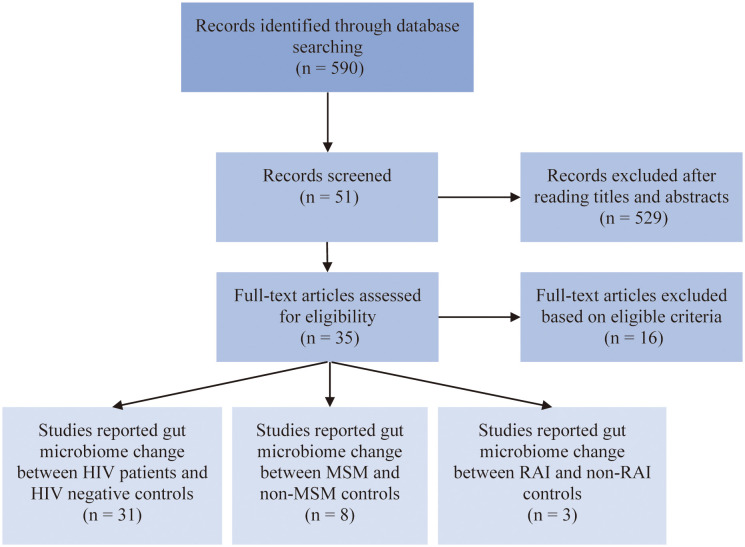
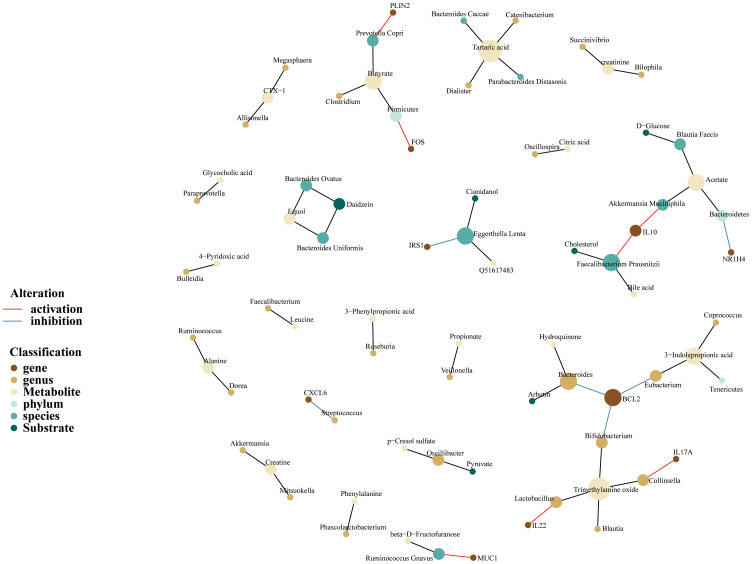
We searched available studies based on the PubMed database, and all gut microbiome changes associated with HIV infection and MSM were extracted from the enrolled studies. The gutMgene database was used to identify the target genes and metabolites of the gut microbiome. Bioinformatic technology and single-cell RNA sequencing data analysis were utilized to explore the impacts of these gut microbiome changes on human immunity.
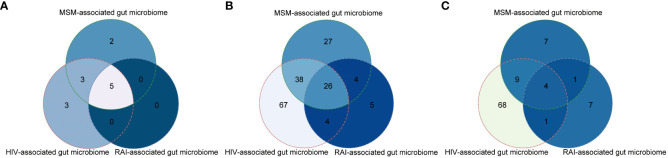
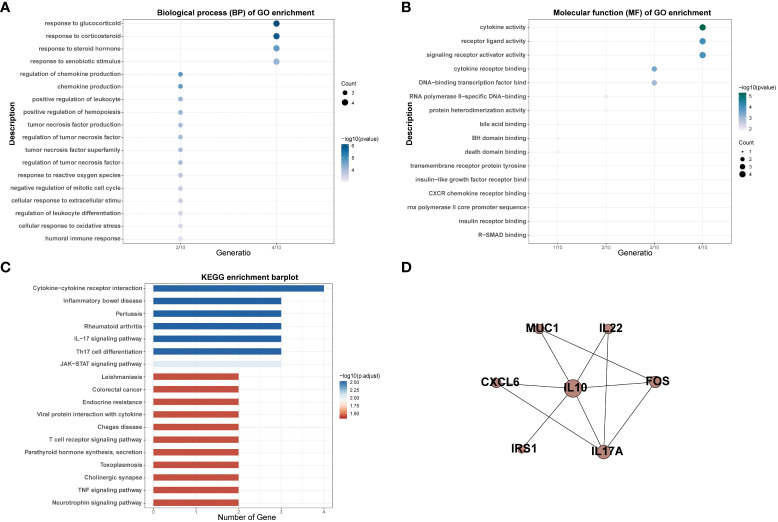
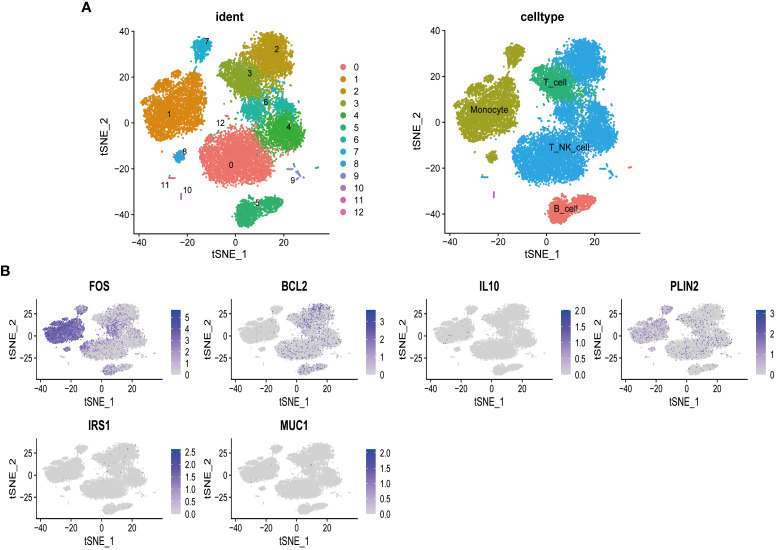
The results showed significant overlaps between the gut microbiome associated with HIV and that of MSM. Moreover, bioinformatic analysis revealed that gut microbiome dysbiosis in MSM had an impact on several pathways related to immunity, including the IL-17 signaling pathway and Th17 cell differentiation. Additionally, target genes of MSM-associated gut microbiome were found to be highly expressed in monocytes and lymphocytes, suggesting their potential regulatory role in immune cells. Furthermore, we found that MSM-associated gut microbiome could produce acetate and butyrate which were reported to increase the level of inflammatory factors.
In conclusion, this study highlighted that MSM-associated gut microbiome dysbiosis might increase the risk of HIV acquisition by activating the immune system. Further studies are expected to elucidate the mechanism by which gut microbiome dysbiosis in MSM modulates HIV susceptibility.
最近的研究指出,HIV 感染中的肠道微生物组失调可能在男男性行为者(MSM)中受到混淆,但缺乏证据。MSM 相关的肠道微生物组失调如何影响人类健康也仍不清楚。本研究旨在比较 HIV 和 MSM 之间肠道微生物组变化的差异,并揭示 MSM 相关的肠道微生物组失调对免疫系统的潜在影响。
我们基于 PubMed 数据库检索了现有研究,并从纳入的研究中提取了与 HIV 感染和 MSM 相关的所有肠道微生物组变化。使用 gutMgene 数据库来识别肠道微生物组的靶基因和代谢物。利用生物信息学技术和单细胞 RNA 测序数据分析来探讨这些肠道微生物组变化对人类免疫的影响。
结果表明,与 HIV 相关的肠道微生物组与 MSM 的肠道微生物组之间存在显著重叠。此外,生物信息学分析显示,MSM 中的肠道微生物组失调对几个与免疫相关的途径有影响,包括 IL-17 信号通路和 Th17 细胞分化。此外,MSM 相关的肠道微生物组的靶基因在单核细胞和淋巴细胞中表达较高,表明它们在免疫细胞中可能具有调节作用。此外,我们发现 MSM 相关的肠道微生物组可以产生乙酸盐和丁酸盐,据报道,这两种物质可以增加炎症因子的水平。
总之,本研究强调了 MSM 相关的肠道微生物组失调可能通过激活免疫系统增加 HIV 感染的风险。需要进一步的研究来阐明 MSM 中肠道微生物组失调调节 HIV 易感性的机制。