Wasim Sobia, Park Jieun, Nam Seungyoon, Kim Jaehong
Department of Biochemistry, College of Medicine, Gachon University, Incheon 21999, Republic of Korea.
Department of Neurology, College of Medicine, Dongguk University, Goyang 10326, Republic of Korea.
Cancers (Basel). 2023 Nov 28;15(23):5615. doi: 10.3390/cancers15235615.
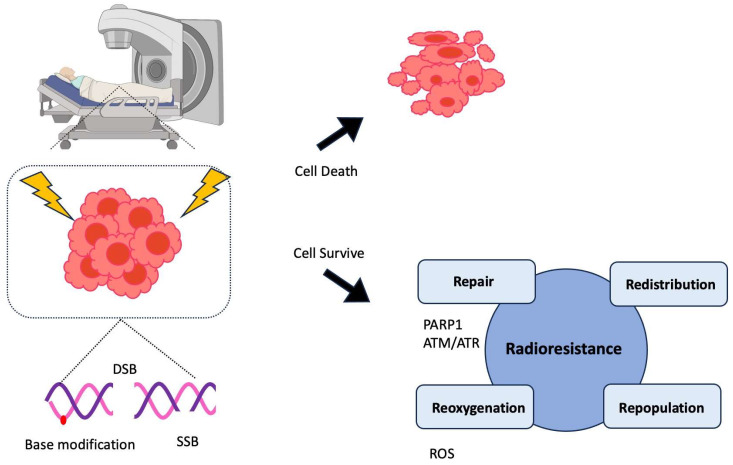
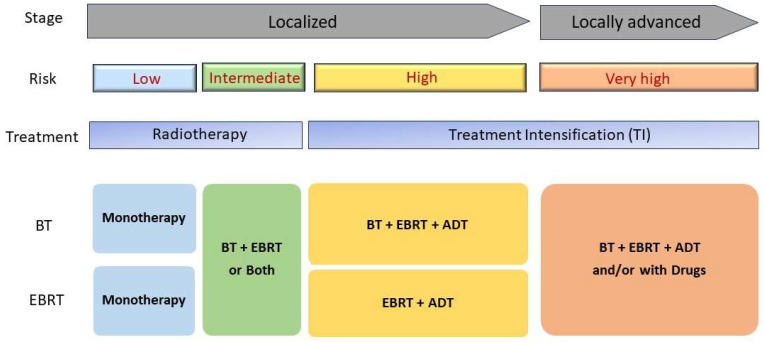
Prostate cancer (PCa) used to be one of the most common nondermatologic cancers in men that can be treated only with surgery. However, a revolutionary breakthrough came in the 1980s with the introduction of long-acting luteinizing hormone-releasing hormone (LHRH) agonists for the curative treatment of PCa. This paradigm shift contributed to the combined use of androgen deprivation therapy (ADT), chemotherapy, and radiotherapy for the treatment. The latest data highlight the use of treatment intensification (TI), i.e., combined use of radiotherapy (RT) and hormonal or drug treatments, for localized or locally advanced PCa. Indeed, the results of combined modality treatments have shown a reduction in disease-specific mortality and improved overall survival. Although TI seems promising, more research studies are warranted to confirm its efficacy. This review summarizes the latest available outcome results of pivotal trials and clinical studies on the efficacy of TI.
前列腺癌(PCa)曾是男性中最常见的非皮肤癌之一,过去只能通过手术治疗。然而,20世纪80年代随着长效促黄体生成激素释放激素(LHRH)激动剂被引入用于前列腺癌的根治性治疗,出现了革命性的突破。这一模式转变促使雄激素剥夺疗法(ADT)、化疗和放疗联合用于治疗。最新数据突出了治疗强化(TI)的应用,即放疗(RT)与激素或药物治疗联合用于局限性或局部晚期前列腺癌。确实,综合治疗模式的结果显示疾病特异性死亡率降低,总生存率提高。尽管治疗强化似乎很有前景,但仍需要更多的研究来证实其疗效。本综述总结了关于治疗强化疗效的关键试验和临床研究的最新可用结果。