Department of Cardiology, 2nd Affiliated Hospital of Harbin Medical University, Harbin, 150001, PR China; National Key Laboratory of Frigid Zone Cardiovascular Diseases; The Key Laboratory of Myocardial Ischemia, Chinese Ministry of Education, Harbin 150001, PR China.
State Key Laboratory of Systems Medicine for Cancer, Division of Cardiology, Renji Hospital, School of Medicine, Shanghai Jiao Tong University, Shanghai, Cancer Institute, Shanghai, 200127, PR China.
Redox Biol. 2024 Feb;69:102987. doi: 10.1016/j.redox.2023.102987. Epub 2023 Dec 7.
Micheliolide (MCL), which is the active metabolite of parthenolide, has demonstrated promising clinical application potential. However, the effects and underlying mechanisms of MCL on atherosclerosis are still unclear.
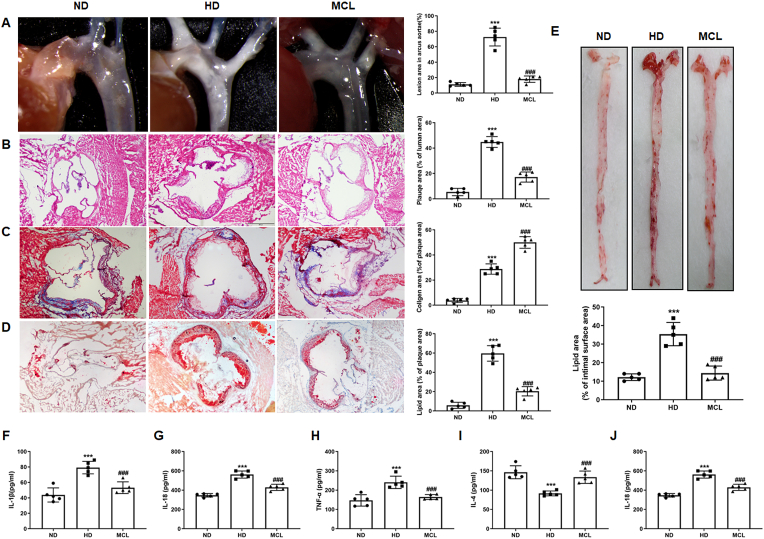
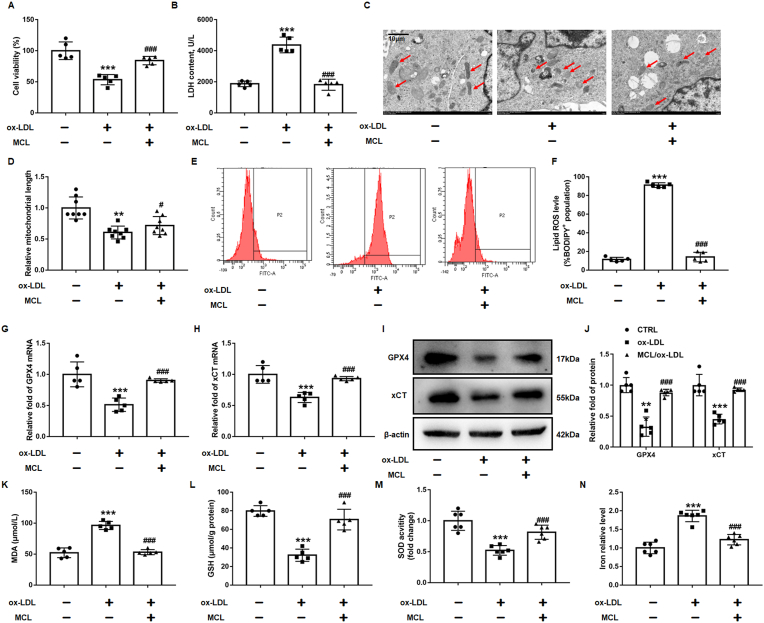
ApoE mice were fed with high fat diet, with or without MCL oral administration, then the plaque area, lipid deposition and collagen content were determined. In vitro, MCL was used to pretreat macrophages combined by ox-LDL, the levels of ferroptosis related proteins, NRF2 activation, mitochondrial function and oxidative stress were detected.
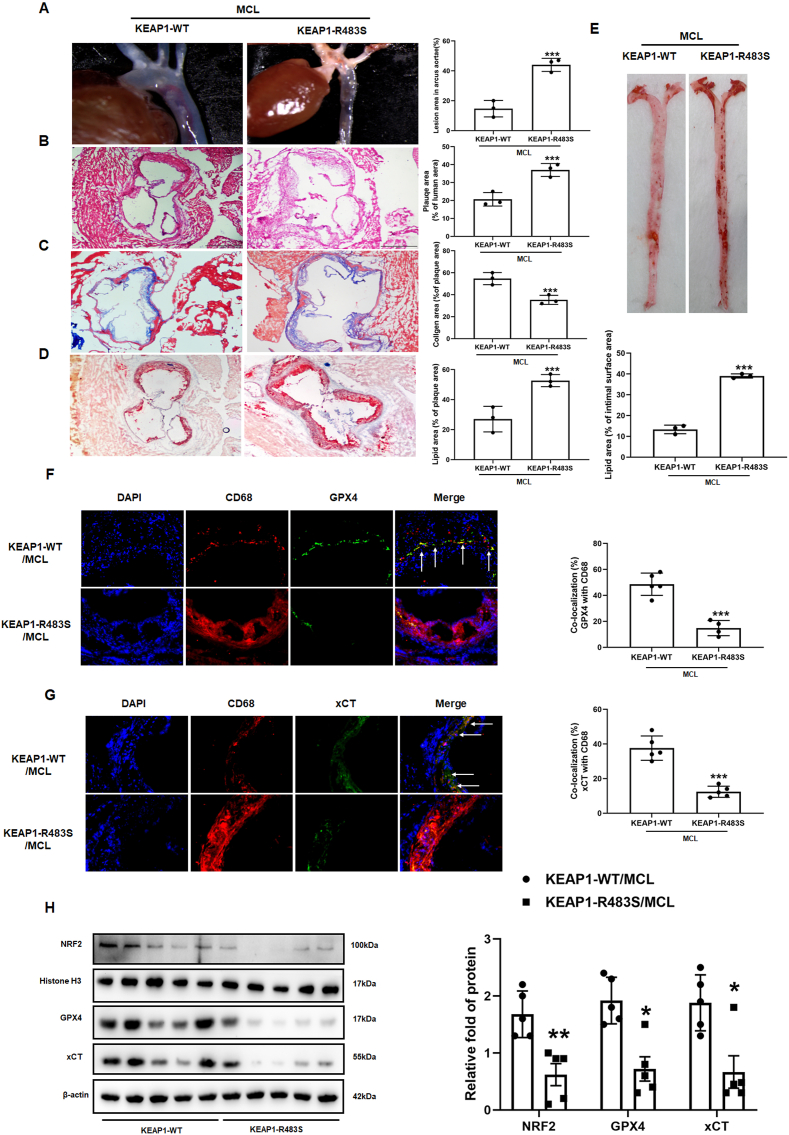
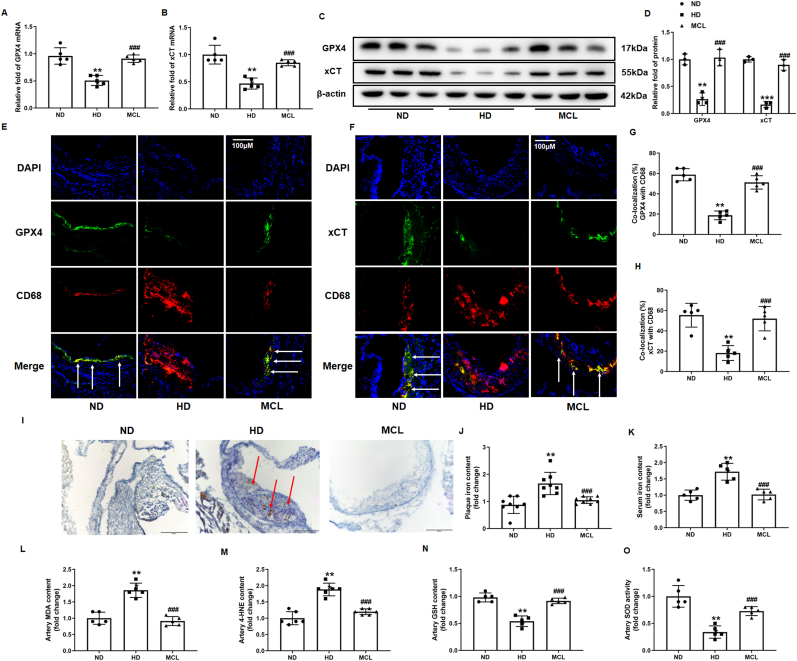
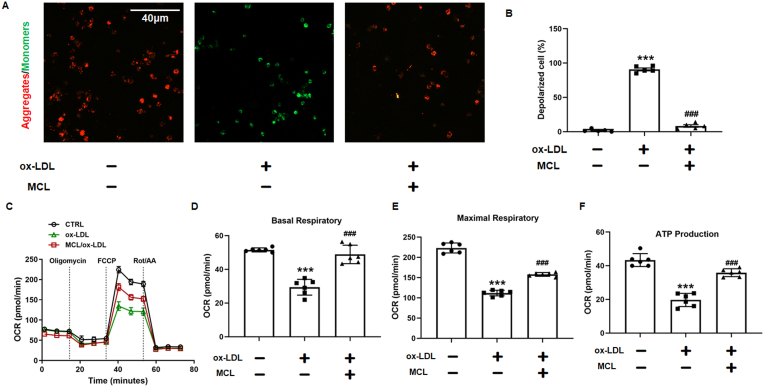
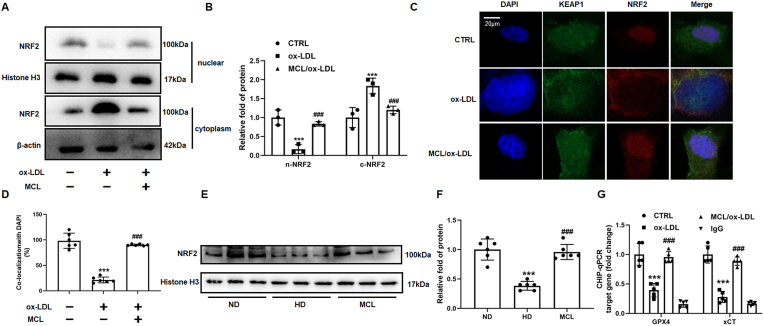
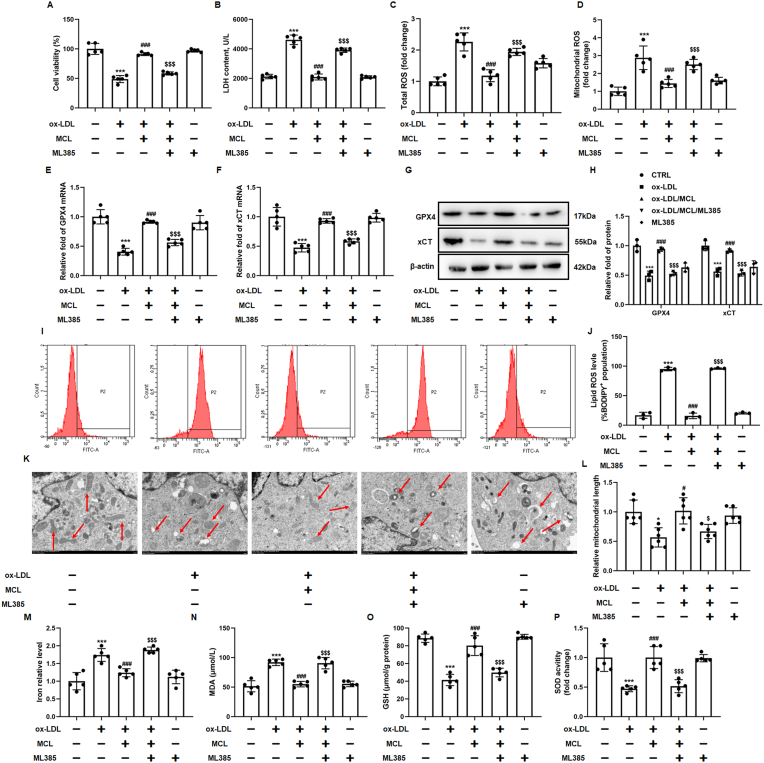
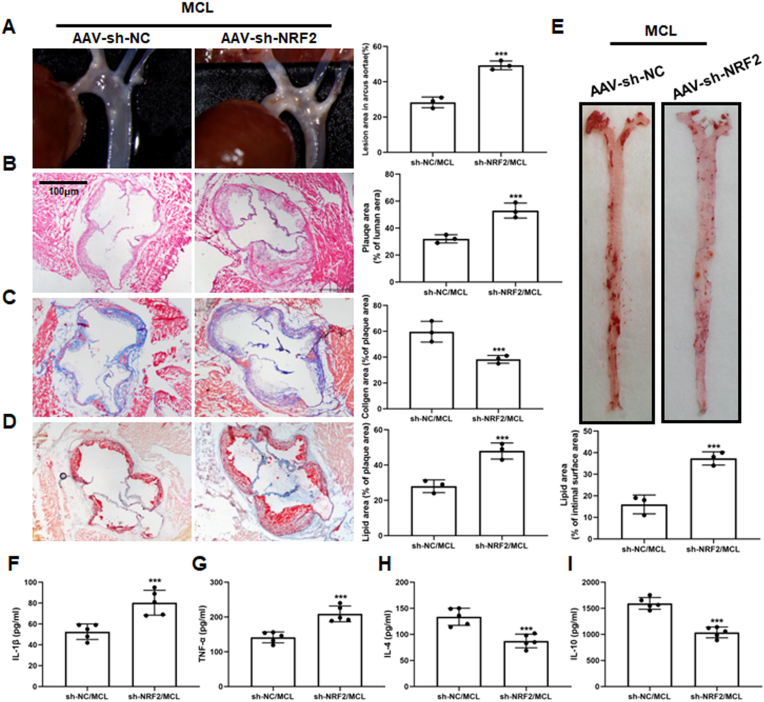
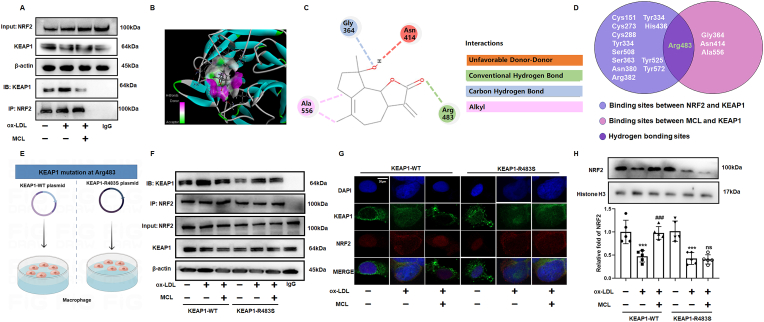
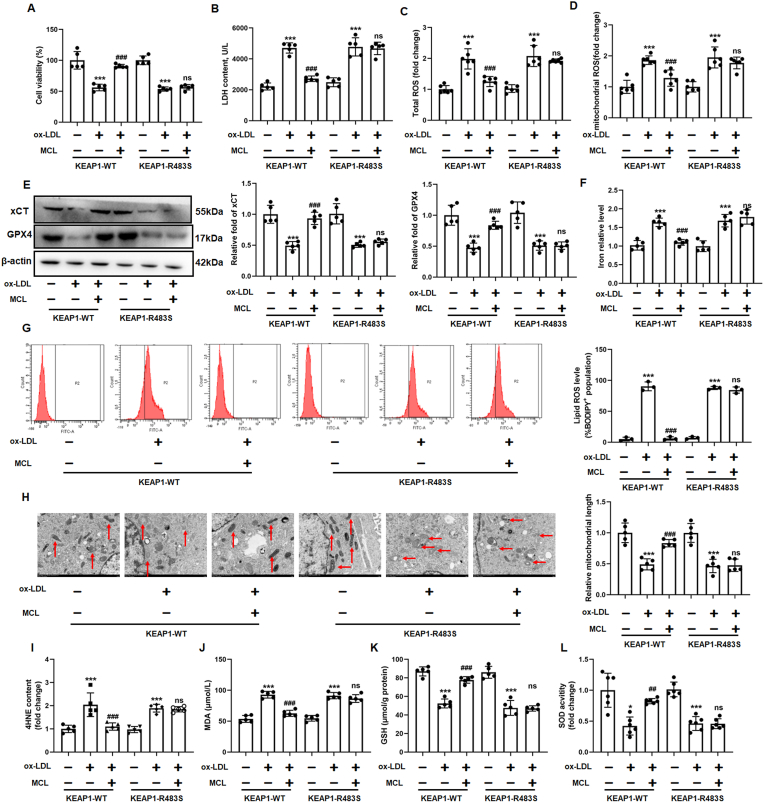
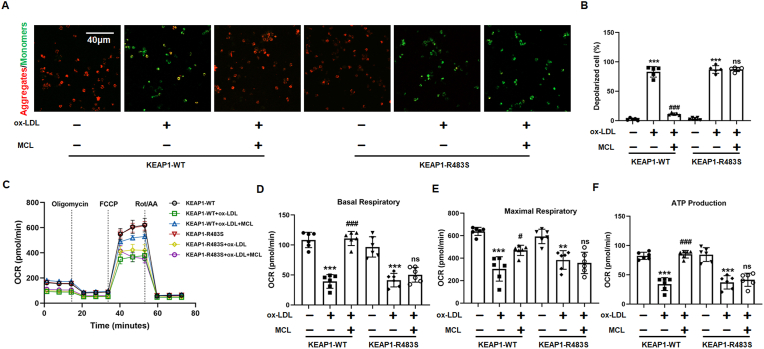
MCL administration significantly attenuated atherosclerotic plaque progress, which characteristics with decreased plaque area, less lipid deposition and increased collagen. Compared with HD group, the level of GPX4 and xCT in atherosclerotic root macrophages were increased in MCL group obviously. In vitro experiment demonstrated that MCL increased GPX4 and xCT level, improved mitochondrial function, attenuated oxidative stress and inhibited lipid peroxidation to suppress macrophage ferroptosis induced with ox-LDL. Moreover, MCL inhibited KEAP1/NRF2 complex formation and enhanced NRF2 nucleus translocation, while the protective effect of MCL on macrophage ferroptosis was abolished by NRF2 inhibition. Additionally, molecular docking suggests that MCL may bind to the Arg483 site of KEAP1, which also contributes to KEAP1/NRF2 binding. Furthermore, Transfection Arg483 (KEAP1-R483S) mutant plasmid can abrogate the anti-ferroptosis and anti-oxidative effects of MC in macrophages. KEAP1-R483S mutation also limited the protective effect of MCL on atherosclerosis progress and macrophage ferroptosis in ApoE mice.
MCL suppressed atherosclerosis by inhibiting macrophage ferroptosis via activating NRF2 pathway, the related mechanism is through binding to the Arg483 site of KEAP1 competitively.
小白菊内酯(MCL)是小白菊内酯的活性代谢物,具有广阔的临床应用前景。然而,MCL 对动脉粥样硬化的作用及其机制尚不清楚。
用高脂饲料喂养载脂蛋白 E(ApoE)小鼠,给予或不给予 MCL 口服,然后测定斑块面积、脂质沉积和胶原含量。体外,用 MCL 预处理与 ox-LDL 结合的巨噬细胞,检测铁死亡相关蛋白、NRF2 激活、线粒体功能和氧化应激水平。
MCL 给药可显著减轻动脉粥样硬化斑块进展,表现为斑块面积减小、脂质沉积减少、胶原增加。与 HD 组相比,MCL 组动脉粥样硬化根部巨噬细胞中的 GPX4 和 xCT 水平明显升高。体外实验表明,MCL 增加了 GPX4 和 xCT 的水平,改善了线粒体功能,减轻了氧化应激和脂质过氧化,抑制了 ox-LDL 诱导的巨噬细胞铁死亡。此外,MCL 抑制 KEAP1/NRF2 复合物的形成并增强 NRF2 核易位,而 NRF2 抑制可消除 MCL 对巨噬细胞铁死亡的保护作用。此外,分子对接表明 MCL 可能与 KEAP1 的 Arg483 位点结合,这也有助于 KEAP1/NRF2 结合。进一步用转染 Arg483(KEAP1-R483S)突变质粒的方法可阻断 MCL 在巨噬细胞中的抗铁死亡和抗氧化作用。KEAP1-R483S 突变也限制了 MCL 对 ApoE 小鼠动脉粥样硬化进展和巨噬细胞铁死亡的保护作用。
MCL 通过激活 NRF2 通路抑制巨噬细胞铁死亡从而抑制动脉粥样硬化,其相关机制是通过与 KEAP1 的 Arg483 位点竞争结合来实现的。