Ali Muhammad, Shar Abdul Majeed, Yekeen Nurudeen, Abid Hussein, Kamal Muhammad Shahzad, Hoteit Hussein
Physical Science and Engineering Division, King Abdullah University of Science and Technology (KAUST), Thuwal 23955, Saudi Arabia.
Department of Petroleum Engineering, NED University of Engineering & Technology, Karachi 75270, Pakistan.
ACS Omega. 2023 Dec 1;8(49):47057-47066. doi: 10.1021/acsomega.3c06923. eCollection 2023 Dec 12.
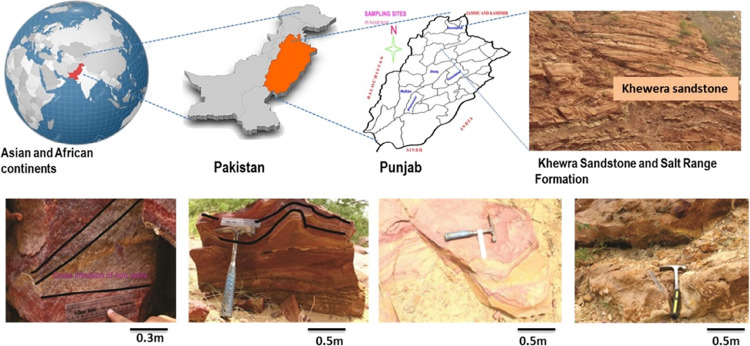
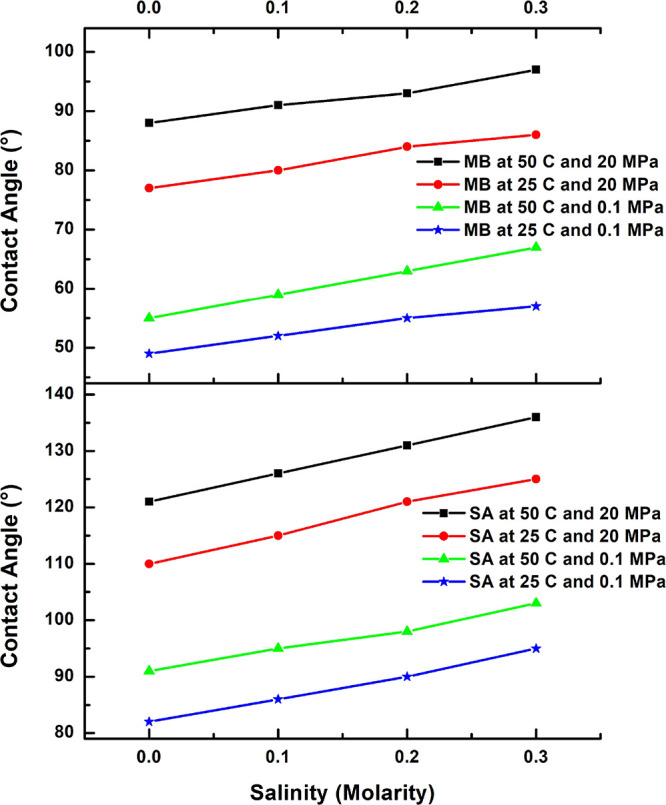
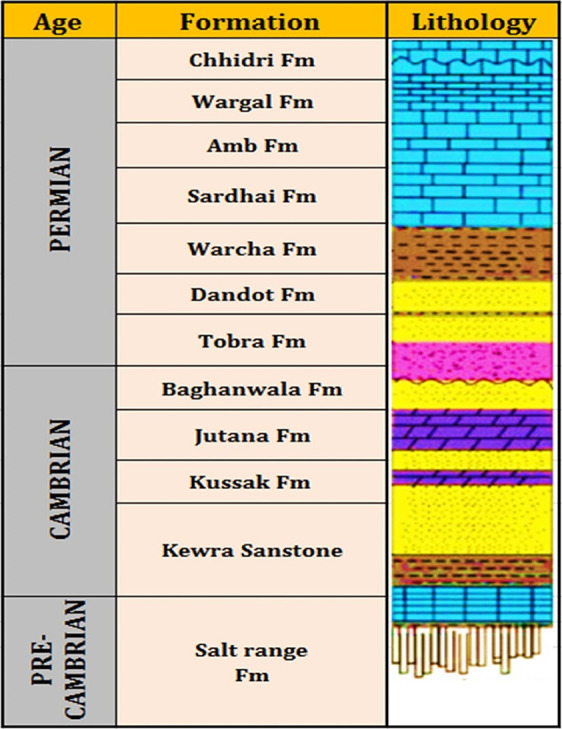
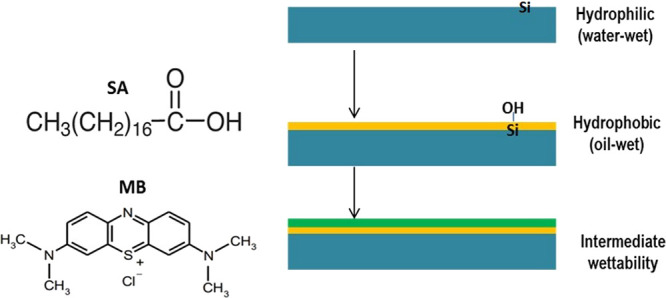
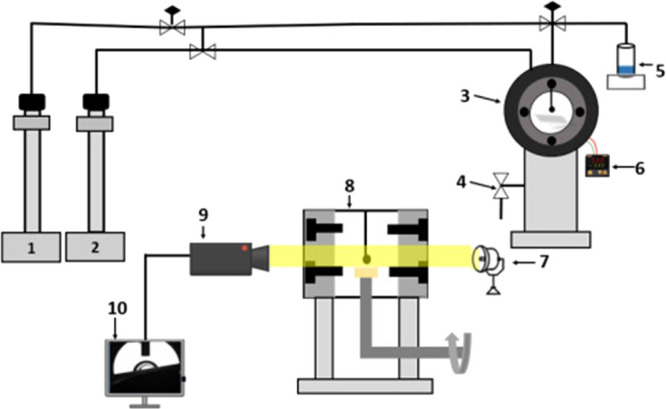
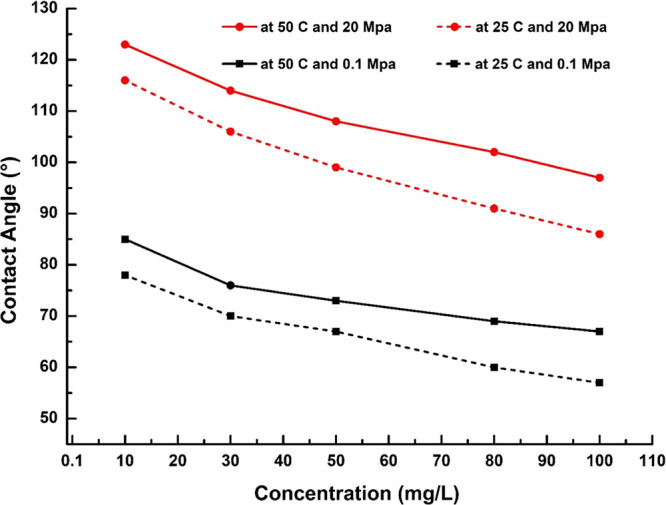
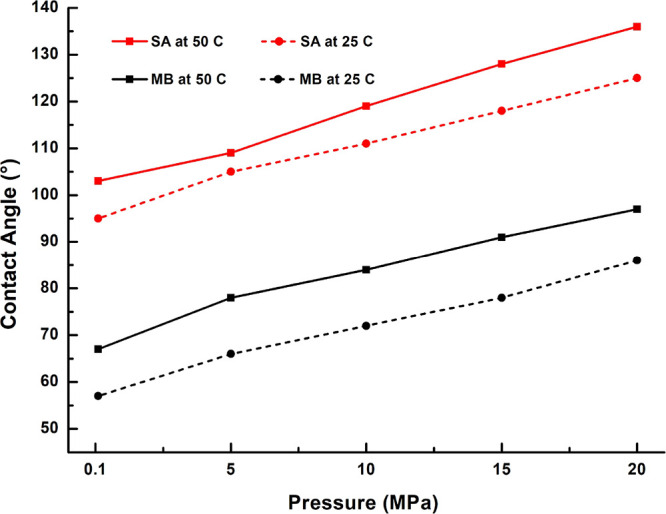
Significant amounts of hydrocarbon resources are left behind after primary and secondary recovery processes, necessitating the application of enhanced oil recovery (EOR) techniques for improving the recovery of trapped oil from subsurface formations. In this respect, the wettability of the rock is crucial in assessing the recovery and sweep efficiency of trapped oil. The subsurface reservoirs are inherently contaminated with organic acids, which renders them hydrophobic. Recent research has revealed the significant impacts of nanofluids, surfactants, and methyl orange on altering the wettability of organic-acid-contaminated subsurface formations into the water-wet state. This suggests that the toxic dye methylene blue (MB), which is presently disposed of in huge quantities and contaminates subsurface waters, could be used in EOR. However, the mechanisms behind hydrocarbon recovery using MB solution for attaining hydrophilic conditions are not fully understood. Therefore, the present work examines the impacts of MB on the wettability reversal of organic-acid-contaminated Khewra sandstone samples (obtained from the outcrop in the Potwar Basin, Pakistan) under the downhole temperature and pressure conditions. The sandstone samples are prepared by aging with 10 mol/L stearic acid and subsequently treated with various amounts of aqueous MB (10-100 mg/L) for 1 week. Contact angle measurements are then conducted under various physio-thermal conditions (0.1-20 MPa, 25-50 °C, and salinities of 0.1-0.3 M). The results indicate that the Khewra sandstone samples become hydrophobic in the presence of organic acid and under increased pressure, temperature, and salinity. However, the wettability changes from oil-wet to preferentially water-wet in the presence of various MB solutions, thus highlighting the favorable effects of MB on EOR from the Khewra sandstone formation. Moreover, the most significant change in wettability is observed for the Khewra sandstone sample that was aged using 100 mg/L MB. These results suggest that injecting MB into deep underground Khewra sandstone reservoirs may produce more residual hydrocarbons.
在一次和二次采油过程之后,仍有大量的碳氢化合物资源留存,因此需要应用强化采油(EOR)技术来提高从地下地层中采出被困原油的采收率。在这方面,岩石的润湿性对于评估被困原油的采收率和波及效率至关重要。地下油藏天然受到有机酸污染,这使其具有疏水性。最近的研究揭示了纳米流体、表面活性剂和甲基橙对将受有机酸污染的地下地层的润湿性改变为水湿状态的显著影响。这表明目前大量被处置且污染地下水的有毒染料亚甲基蓝(MB)可用于强化采油。然而,使用MB溶液实现亲水条件以进行碳氢化合物采收背后的机制尚未完全了解。因此,本研究在井下温度和压力条件下,考察了MB对受有机酸污染的Khewra砂岩样品(取自巴基斯坦波托瓦尔盆地的露头)润湿性反转的影响。砂岩样品通过用10 mol/L硬脂酸老化制备,随后用不同量的MB水溶液(10 - 100 mg/L)处理1周。然后在各种物理热条件(0.1 - 20 MPa、25 - 50 °C和盐度0.1 - 0.3 M)下进行接触角测量。结果表明,在存在有机酸以及压力、温度和盐度增加的情况下,Khewra砂岩样品变得疏水。然而,在各种MB溶液存在下,润湿性从油湿变为优先水湿,从而突出了MB对从Khewra砂岩地层进行强化采油的有利影响。此外,对于用100 mg/L MB老化的Khewra砂岩样品,观察到润湿性变化最为显著。这些结果表明,将MB注入地下深层的Khewra砂岩油藏可能会采出更多的残余碳氢化合物。