Capital University of Science & Technology, Islamabad, Pakistan.
James Watt School of Engineering, University of Glasgow, Glasgow, United Kingdom.
PLoS One. 2023 Dec 27;18(12):e0295615. doi: 10.1371/journal.pone.0295615. eCollection 2023.
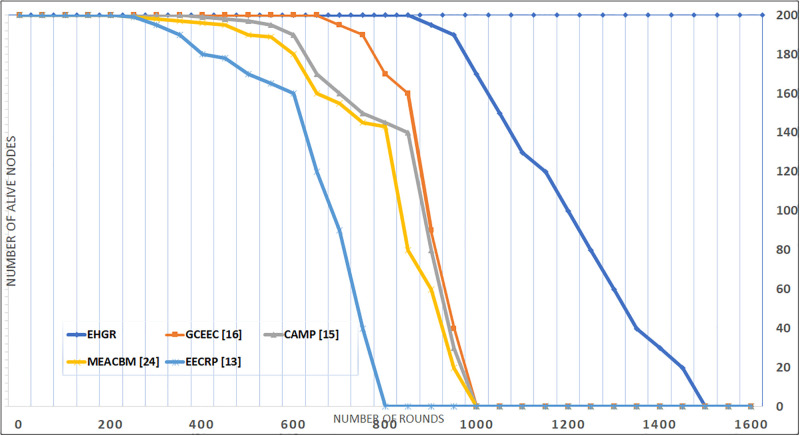
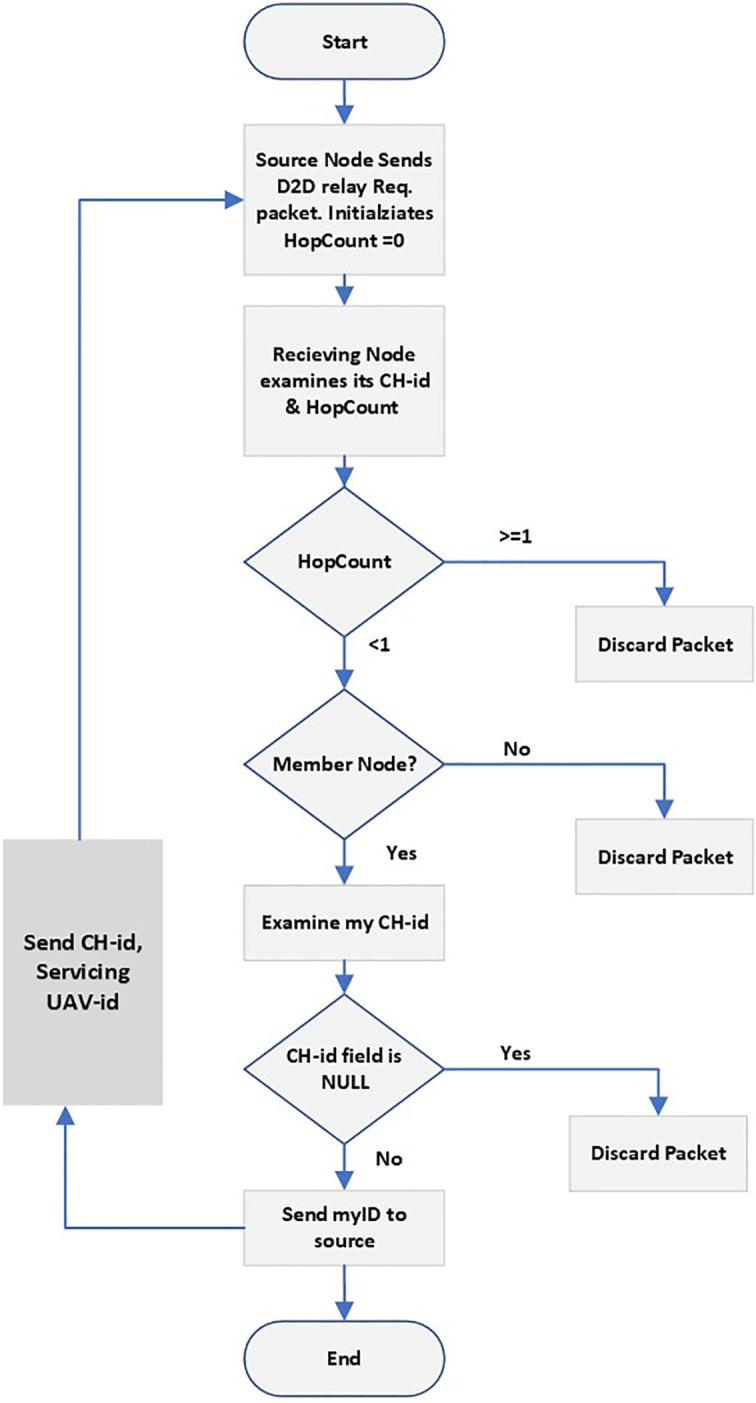
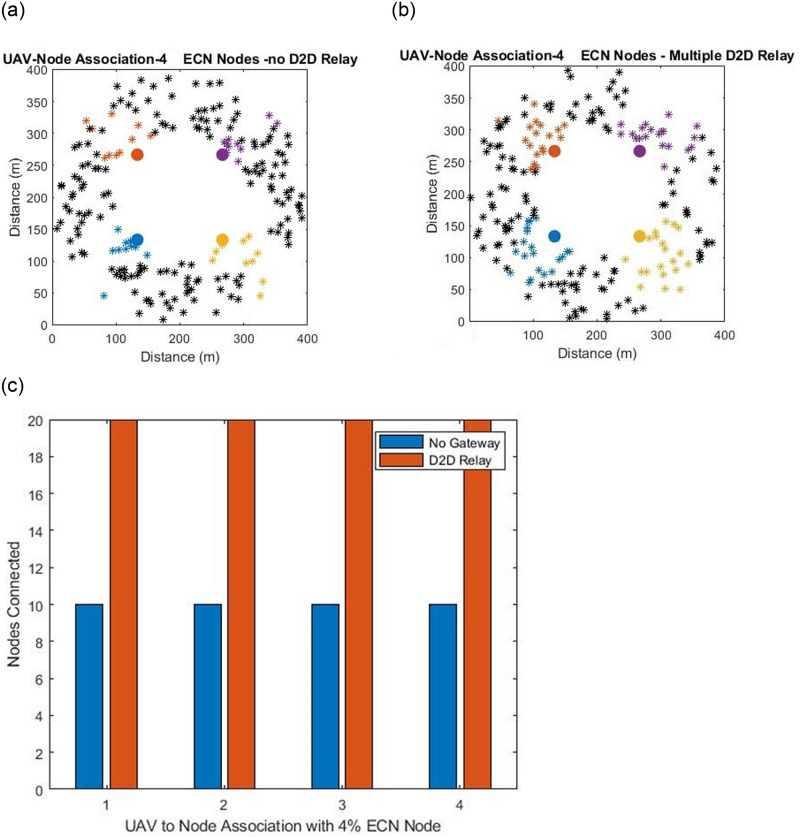
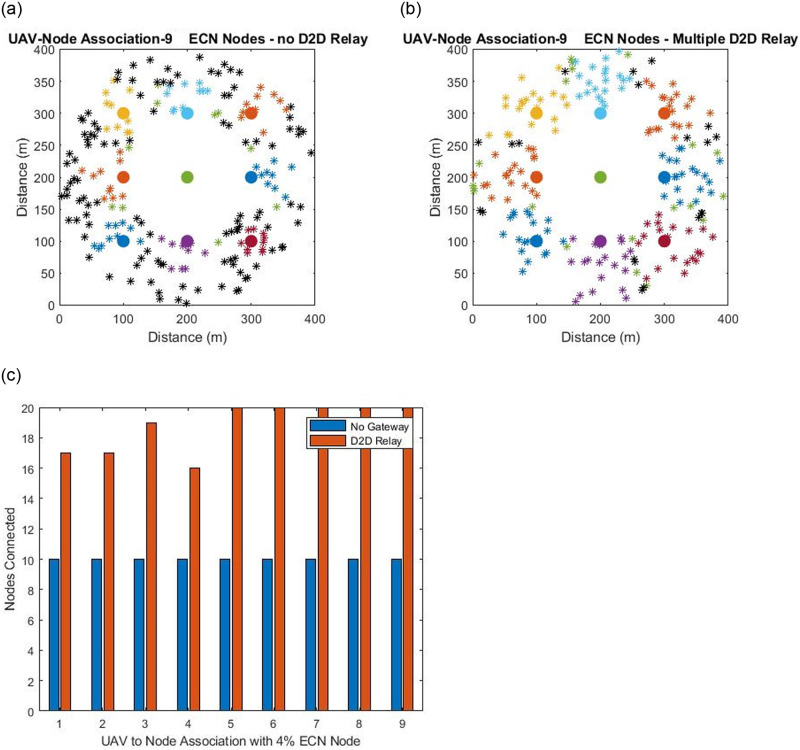
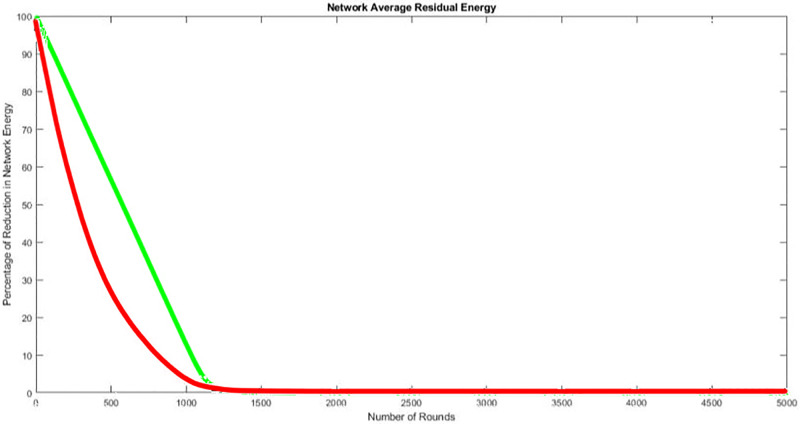
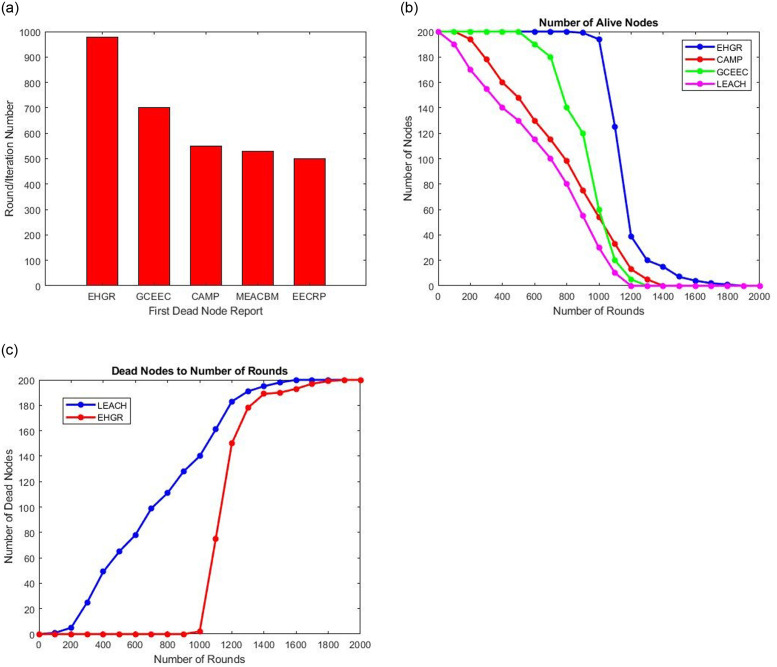
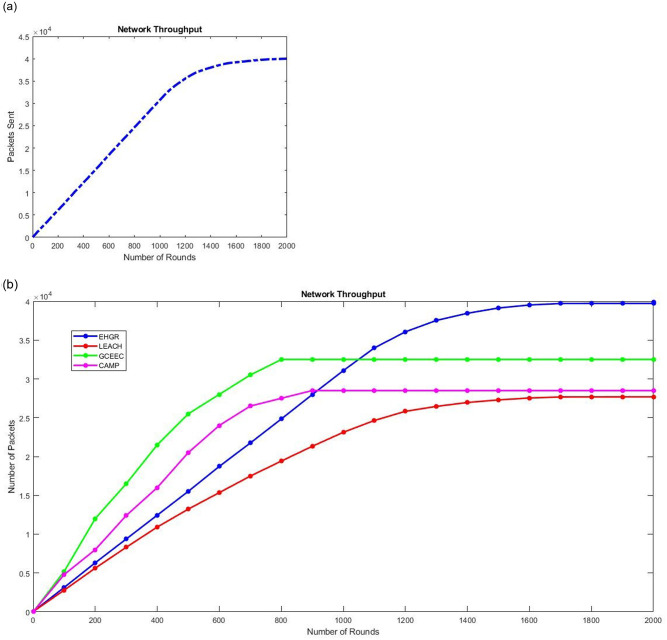
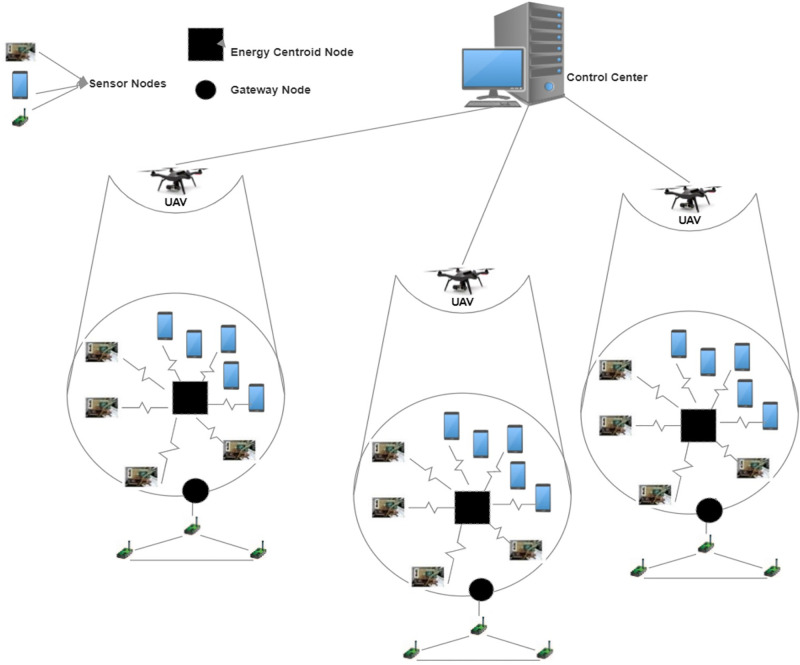
Ad-hoc wireless sensor networks face challenges of optimized node deployment for maximizing coverage and efficiently routing data to control centers in post disaster events. These challenges impact the outcome for extending the lifetime of wireless sensor networks. This study presents a uav assisted reactive zone based EHGR (energy efficient hierarchical gateway routing protocol) that is deployed in a situation where the natural calamity has caused communication and infrastructure damage to a major portion of the sensor network. EHGR is a hybrid multi layer routing protocol for large heterogeneous sensor nodes (smart nodes, basic nodes, user handheld devices etc.) EHGR is tailored to meet two important concerns for a disaster hit wsn ie. optimized deployment and energy efficient routing. The first part of EGHR focuses on maximized coverage during node deployments. Maximized coverage is an important aspect to be considered during the event of disaster since most of the nodes loose coverage and are detached from the wireless sensor network. The first part of EHGR uses state of the art game theory approach to build a model that maximizes the coverage of nodes during the deployment phase from all participating entities i.e. nodes and uavs. Rather than fixing the cluster head as is the case in traditional cluster-based approaches EHGR uses the energy centroid nodes. Energy centroid nodes evolve on the basis of aggregated energy of the zone. This approach is superior to simply electing cluster head nodes on the basis of some probability function. The nodes that fail to achieve any successful outcome from the game theory matching model fail to get any association. These nodes will use multi hop d2d relay approach to reach the energy centroid nodes. Gateway relay nodes used with the game theory approach during the deployment of the uav assisted wsn improves the overall coverage by 25% against traditional leach based hierarchical approaches. Once the optimum deployment phase is completed the routing phase is initiated. Aggregated data is sent by the energy centroid nodes from the ECN nodes to the servicing micro controller enabled un manned aerial vehicles. The routing process places partial burden of zone formation and data transmission to the control center for each phase on the servicing uavs. Energy centroid nodes engage only in the data aggregation process and transmission of data to servicing uav. Servicing-uavs reduce energy dissipated of the entire zone which result in gradual decrease of energy for the zone thus increasing the network lifetime. Node deployment phase and the routing phase of EHGR utilize the computations provide by the mirco controller enabled unmanned aerial vehicles such that the computationally intensive calculations are offloaded to the servicing uav. Experiment results indicate an increase in the first dead node report, half dead node report, and last dead node report. Network lifetime is extended to approximately 1800 rounds which is an increase by ratio of 100% against the traditional leach approach and increase by 50% percent against the latest approaches as highlighted in the literature.
自组织无线传感器网络面临着优化节点部署的挑战,以最大限度地提高覆盖范围,并有效地将数据路由到灾后的控制中心。这些挑战影响了延长无线传感器网络寿命的结果。本研究提出了一种基于无人机辅助的反应区域的 EHGR(节能分层网关路由协议),该协议部署在自然灾害导致传感器网络的大部分通信和基础设施损坏的情况下。EHGR 是一种针对大型异构传感器节点(智能节点、基本节点、用户手持设备等)的混合多层路由协议。EHGR 专门针对灾害 hit wsn 中的两个重要问题进行了优化,即优化部署和节能路由。EHGR 的第一部分侧重于在节点部署期间最大化覆盖范围。最大化覆盖范围是灾害事件中需要考虑的一个重要方面,因为大多数节点会失去覆盖范围并与无线传感器网络断开连接。EHGR 的第一部分使用最新的博弈论方法来建立一个模型,该模型在参与实体(即节点和无人机)的部署阶段最大化节点的覆盖范围。EHGR 没有像传统的基于簇的方法那样固定簇头,而是使用能量质心节点。能量质心节点根据区域的聚合能量演变。与基于某些概率函数简单地选举簇头节点相比,这种方法更优越。在博弈论匹配模型中未能获得任何成功结果的节点将无法获得任何关联。这些节点将使用多跳 d2d 中继方法到达能量质心节点。在部署无人机辅助无线传感器网络期间,与博弈论方法一起使用的网关中继节点可将基于传统 LEACH 的分层方法的整体覆盖范围提高 25%。完成最佳部署阶段后,将启动路由阶段。从 ECN 节点到服务微控制器启用的无人飞行器,能量质心节点将发送聚合数据。路由过程将区域形成和数据传输的部分负担分配给每个服务无人机上的控制中心。能量质心节点仅参与数据聚合过程和向服务无人机传输数据。服务无人机减少了整个区域的能量消耗,从而导致区域能量逐渐减少,从而延长网络寿命。EHGR 的节点部署阶段和路由阶段利用微控制器提供的计算能力,从而将计算密集型计算卸载到服务无人机上。实验结果表明,首次死亡节点报告、半死亡节点报告和最后死亡节点报告都有所增加。网络寿命延长到大约 1800 轮,与传统的 LEACH 方法相比增加了 100%,与文献中突出显示的最新方法相比增加了 50%。