Ghiasi Nasrin, Rasoal Dara, Haseli Arezoo, Feli Rozhin
Department of Midwifery, School of Nursing and Midwifery, Ilam University of Medical Sciences, Ilam, Iran.
School of Health and Welfare, Dalarna University, Sweden.
Heliyon. 2023 Dec 3;10(1):e23261. doi: 10.1016/j.heliyon.2023.e23261. eCollection 2024 Jan 15.
Marital infidelity is a highly distressing experience for those involved. Understanding the psychological factors related to infidelity can help develop targeted interventions. The primary aim of this study was to assess the association between attachment styles and marital infidelity.
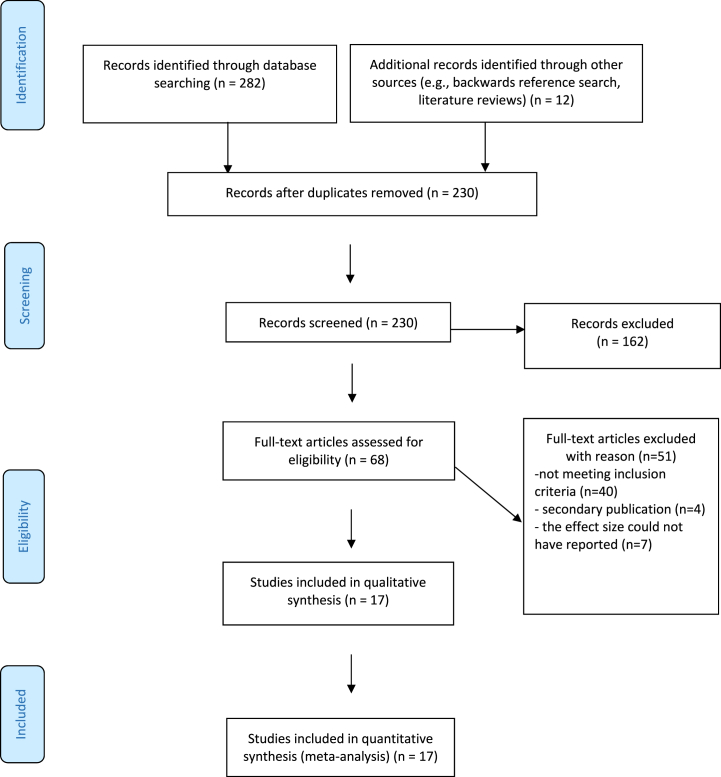
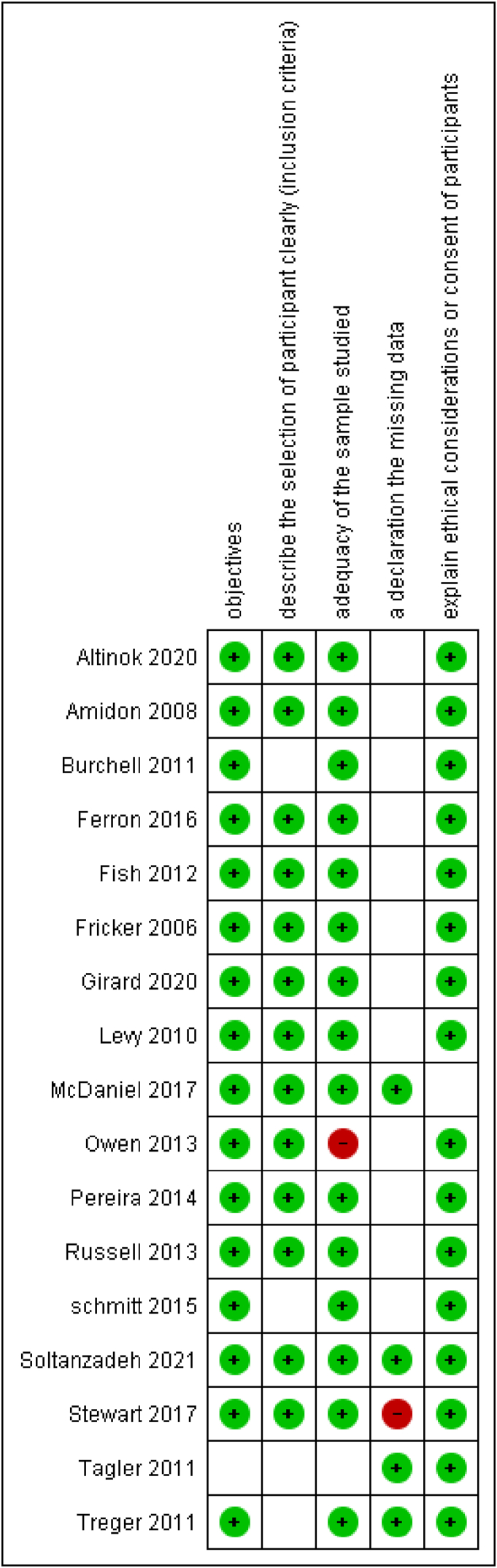
Seventeen studies were included, sourced from electronic databases including PubMed, Scopus, Web of Science, and PsycInfo, with no time limitations, up to April 2023. The search employed terms like "attachment AND marital infidelity." Study quality was evaluated using the Risk of Bias Assessment Tool from RevMan version 5.3.
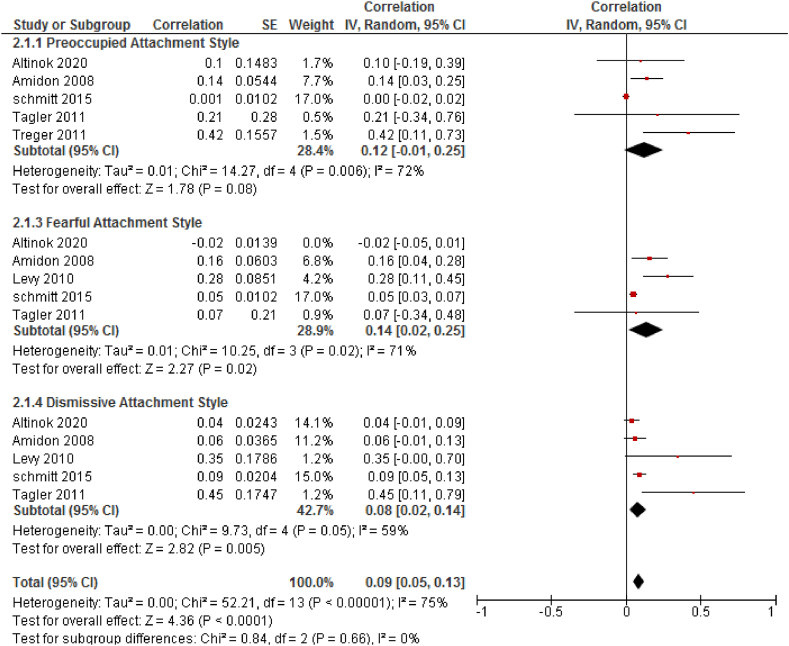
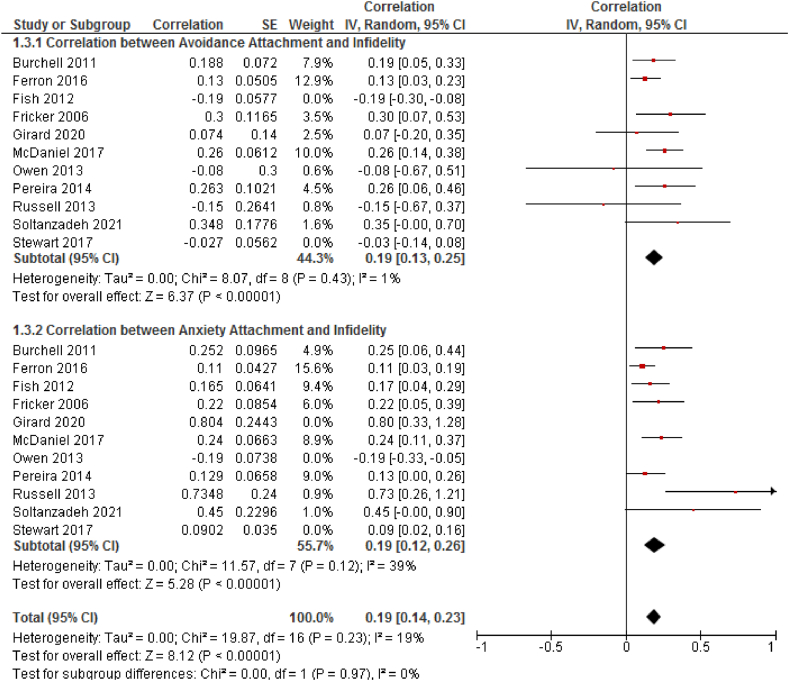
The meta-analysis involved a total of 13,666 participants, ranging from 208 to 4047 individuals. Findings showed that higher levels of anxiety and avoidance in attachment were significantly associated with increased marital infidelity ( = 0.18, 95 % CI = 0.14-0.22, p < 0.0001). Conversely, weaker attachment insecurity was linked to reduced rates of marital infidelity. Additionally, both dismissive and fearful attachment styles correlated with marital infidelity, with respective weighted effect sizes of = 0.07, p < 0.001 (95 % CI = 0.04-0.10) and = 0.19, p < 0.001 (95 % CI = 0.10-0.29). No association was found between preoccupied attachment and infidelity.
Individuals with insecure attachment styles, specifically those with high levels of anxiety or avoidance, are more likely to engage in marital infidelity. Attachment styles should be a focus in couples therapy, especially for treatment related to infidelity. Assessing and addressing these underlying attachment issues can better guide therapists in their work with couples facing infidelity.
婚姻不忠对相关人士来说是一种极其痛苦的经历。了解与不忠相关的心理因素有助于制定有针对性的干预措施。本研究的主要目的是评估依恋风格与婚姻不忠之间的关联。
纳入了17项研究,这些研究来自包括PubMed、Scopus、科学网和PsycInfo在内的电子数据库,时间范围无限制,截至2023年4月。搜索使用了“依恋与婚姻不忠”等术语。使用RevMan 5.3版的偏倚风险评估工具对研究质量进行评估。
荟萃分析共涉及13666名参与者,个体数量从208至4047人不等。研究结果表明,依恋中较高水平的焦虑和回避与婚姻不忠的增加显著相关(β = 0.18,95%置信区间 = 0.14 - 0.22,p < 0.0001)。相反,较弱的依恋不安全感与婚姻不忠率的降低有关。此外,冷漠型和恐惧型依恋风格均与婚姻不忠相关,加权效应大小分别为β = 0.07,p < 0.001(95%置信区间 = 0.04 - 0.10)和β = 0.19,p < 0.001(95%置信区间 = 0.10 - 0.29)。未发现痴迷型依恋与不忠之间存在关联。
具有不安全依恋风格的个体,特别是那些焦虑或回避程度较高的个体,更有可能发生婚姻不忠行为。依恋风格应成为夫妻治疗的重点,尤其是与不忠相关的治疗。评估和解决这些潜在的依恋问题可以更好地指导治疗师处理面临不忠问题的夫妻。