NeuroDol, UMR 1107 INSERM, University of Clermont Auvergne, Clermont-Ferrand, France.
M2iSH, UMR 1071 INSERM, UMR1382 INRAé, University of Clermont Auvergne, Clermont-Ferrand, France.
Gut Microbes. 2024 Jan-Dec;16(1):2298026. doi: 10.1080/19490976.2023.2298026. Epub 2024 Jan 3.
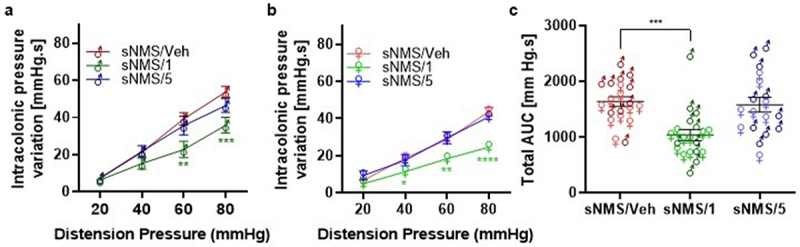
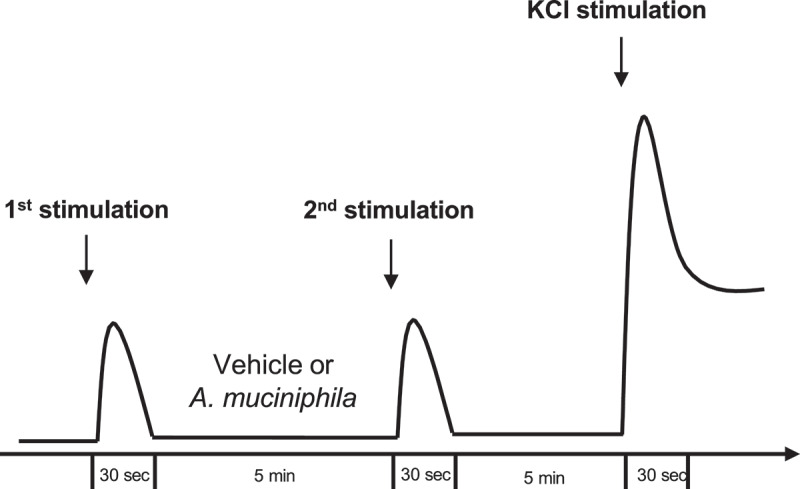
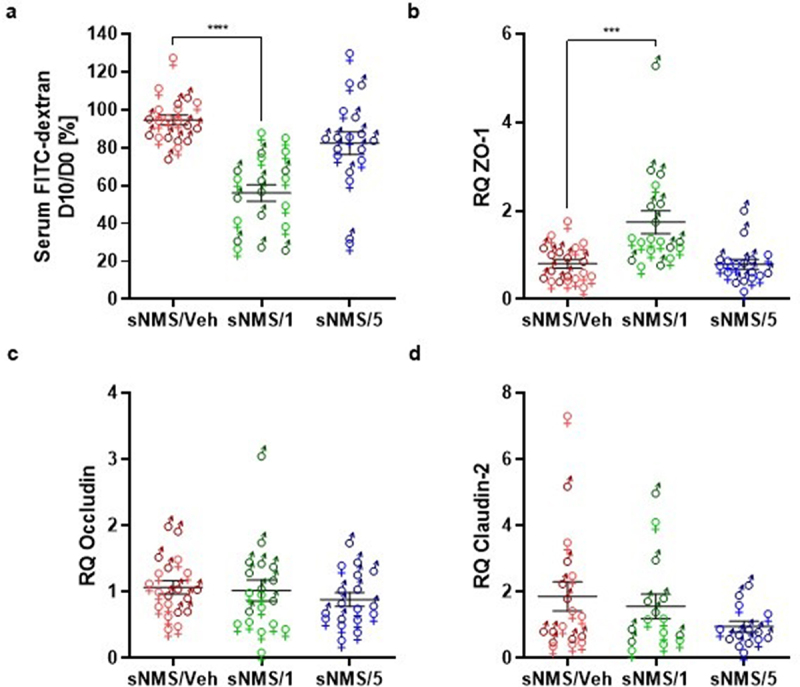
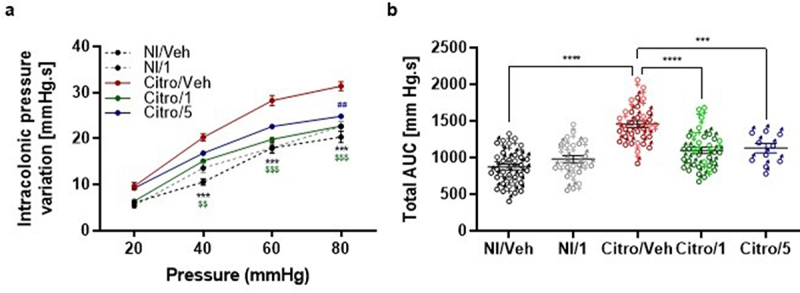
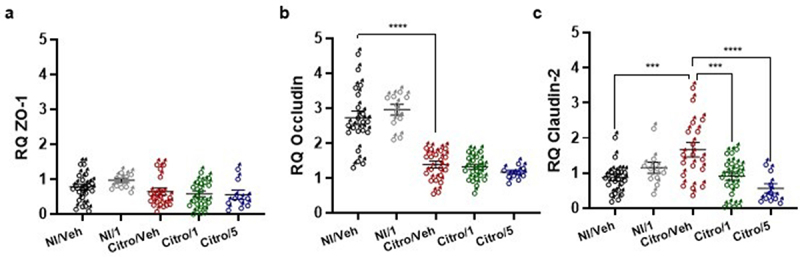
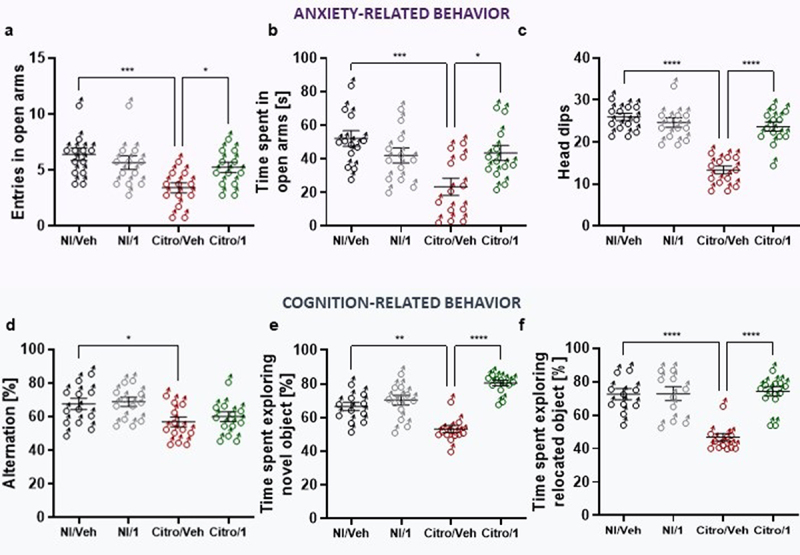
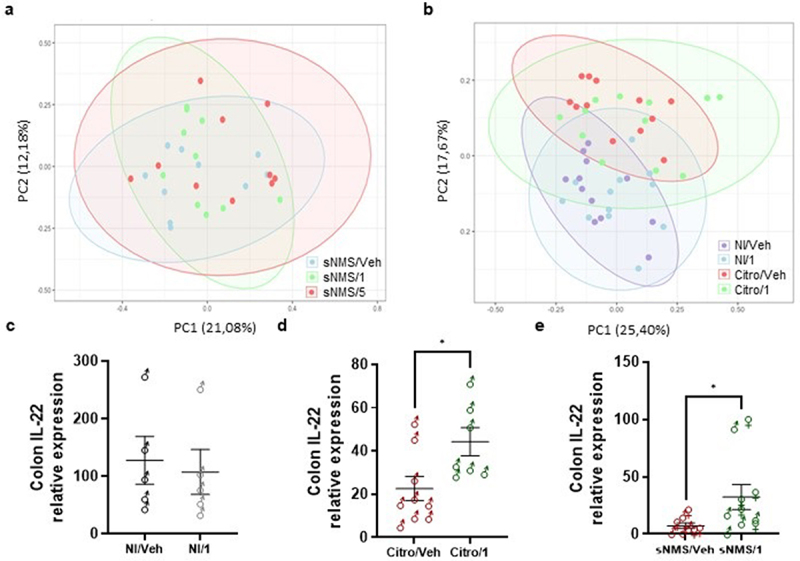
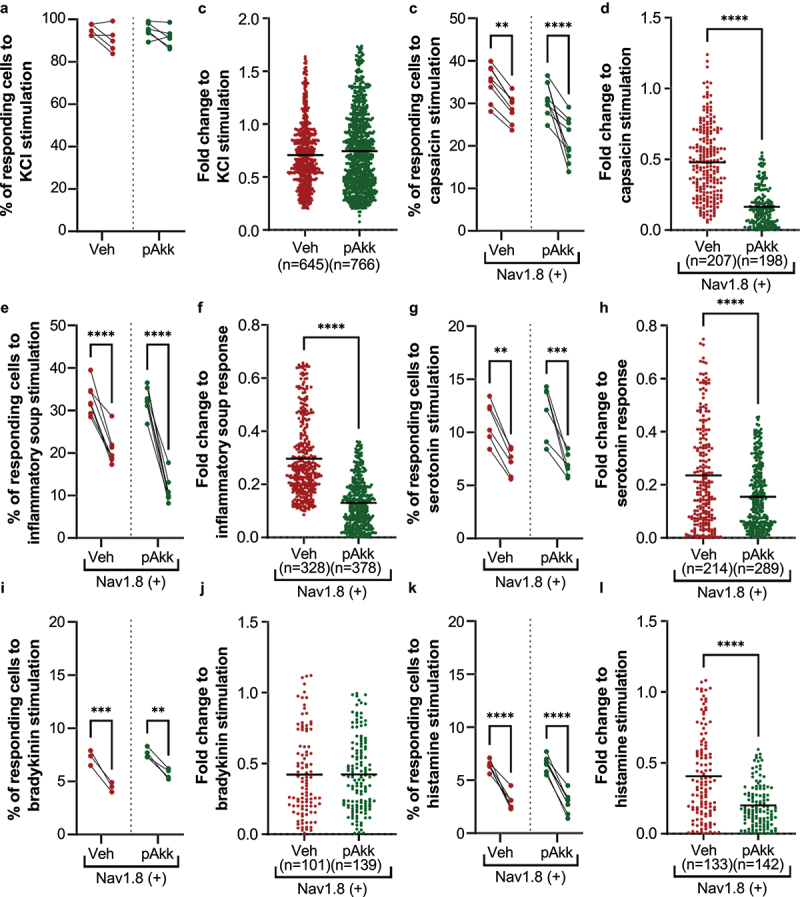
Gut - brain communications disorders in irritable bowel syndrome (IBS) are associated with intestinal microbiota composition, increased gut permeability, and psychosocial disturbances. Symptoms of IBS are difficult to medicate, and hence much research is being made into alternative approaches. This study assesses the potential of a treatment with pasteurized Akkermansia muciniphila for alleviating IBS-like symptoms in two mouse models of IBS with different etiologies. Two clinically relevant animal models were used to mimic IBS-like symptoms in C57BL6/J mice: the neonatal maternal separation (NMS) paradigm and the Citrobacter rodentium infection model. In both models, gut permeability, colonic sensitivity, fecal microbiota composition and colonic IL-22 expression were evaluated. The cognitive performance and emotional state of the animals were also assessed by several tests in the C. rodentium infection model. The neuromodulation ability of pasteurized A. muciniphila was assessed on primary neuronal cells from mice dorsal root ganglia using a ratiometric calcium imaging approach. The administration of pasteurized A. muciniphila significantly reduced colonic hypersensitivity in both IBS mouse models, accompanied by a reinforcement of the intestinal barrier function. Beneficial effects of pasteurized A. muciniphila treatment have also been observed on anxiety-like behavior and memory defects in the C. rodentium infection model. Finally, a neuroinhibitory effect exerted by pasteurized A. muciniphila was observed on neuronal cells stimulated with two algogenic substances such as capsaicin and inflammatory soup. Our findings demonstrate novel anti-hyperalgesic and neuroinhibitory properties of pasteurized A. muciniphila, which therefore may have beneficial effects in relieving pain and anxiety in subjects with IBS.
肠-脑通讯障碍在肠易激综合征(IBS)中与肠道微生物群落组成、肠道通透性增加和心理社会障碍有关。IBS 的症状难以用药物治疗,因此正在进行大量研究以寻找替代方法。本研究评估了巴氏阿克曼氏菌(Akkermansia muciniphila)治疗对两种具有不同病因的 IBS 小鼠模型中 IBS 样症状的潜在作用。使用两种临床相关的动物模型来模拟 C57BL6/J 小鼠中的 IBS 样症状:新生期母体分离(NMS)范式和柠檬酸杆菌感染模型。在这两种模型中,均评估了肠道通透性、结肠敏感性、粪便微生物群落组成和结肠 IL-22 表达。还通过柠檬酸杆菌感染模型中的几种测试评估了动物的认知表现和情绪状态。使用比率型钙成像方法评估巴氏 A. muciniphila 对来自小鼠背根神经节的原代神经元细胞的神经调节能力。巴氏 A. muciniphila 的给药显著降低了两种 IBS 小鼠模型中的结肠高敏感性,同时增强了肠道屏障功能。巴氏 A. muciniphila 治疗还观察到对柠檬酸杆菌感染模型中焦虑样行为和记忆缺陷的有益影响。最后,观察到巴氏 A. muciniphila 对两种致痛物质(如辣椒素和炎症汤)刺激的神经元细胞产生神经抑制作用。我们的研究结果表明巴氏 A. muciniphila 具有新型的抗痛觉过敏和神经抑制特性,因此可能对缓解 IBS 患者的疼痛和焦虑有益。