Program for Immunogenetics and Translational Immunology, Institute of Science and Innovation in Medicine, Facultad de Medicina, Clinica Alemana Universidad del Desarrollo, Santiago, Chile.
Hospital Dr. Roberto del Río, Santiago, Chile.
Eur J Hum Genet. 2024 Oct;32(10):1227-1237. doi: 10.1038/s41431-023-01523-5. Epub 2024 Jan 4.
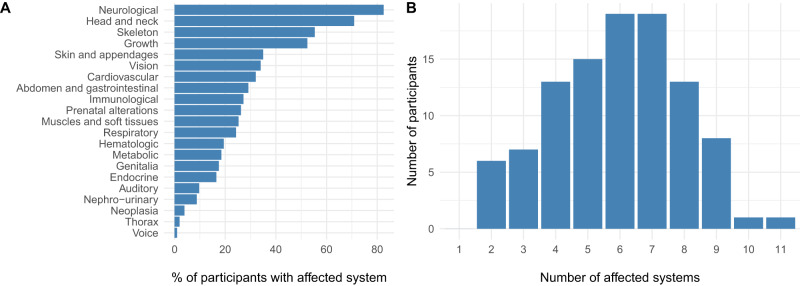
Rare diseases affect millions of people worldwide, and most have a genetic etiology. The incorporation of next-generation sequencing into clinical settings, particularly exome and genome sequencing, has resulted in an unprecedented improvement in diagnosis and discovery in the past decade. Nevertheless, these tools are unavailable in many countries, increasing health care gaps between high- and low-and-middle-income countries and prolonging the "diagnostic odyssey" for patients. To advance genomic diagnoses in a setting of limited genomic resources, we developed DECIPHERD, an undiagnosed diseases program in Chile. DECIPHERD was implemented in two phases: training and local development. The training phase relied on international collaboration with Baylor College of Medicine, and the local development was structured as a hybrid model, where clinical and bioinformatics analysis were performed in-house and sequencing outsourced abroad, due to lack of high-throughput equipment in Chile. We describe the implementation process and findings of the first 103 patients. They had heterogeneous phenotypes, including congenital anomalies, intellectual disabilities and/or immune system dysfunction. Patients underwent clinical exome or research exome sequencing, as solo cases or with parents using a trio design. We identified pathogenic, likely pathogenic or variants of unknown significance in genes related to the patients´ phenotypes in 47 (45.6%) of them. Half were de novo informative variants, and half of the identified variants have not been previously reported in public databases. DECIPHERD ended the diagnostic odyssey for many participants. This hybrid strategy may be useful for settings of similarly limited genomic resources and lead to discoveries in understudied populations.
罕见病影响着全球数百万人,其中大多数都具有遗传病因。在过去十年中,下一代测序技术被广泛应用于临床,特别是外显子组和基因组测序,这使得诊断和发现方面取得了前所未有的进展。然而,这些工具在许多国家都无法获得,导致高收入和中低收入国家之间的医疗保健差距进一步扩大,并延长了患者的“诊断探索之旅”。为了在基因组资源有限的情况下推进基因组诊断,我们在智利开发了 DECIPHERD 这一未确诊疾病项目。DECIPHERD 分两个阶段实施:培训和本地发展。培训阶段依赖于与贝勒医学院的国际合作,而本地发展则采用混合模式,由于智利缺乏高通量设备,临床和生物信息学分析在内部进行,而测序则外包给国外。我们描述了前 103 名患者的实施过程和发现。他们的表型各异,包括先天畸形、智力障碍和/或免疫系统功能障碍。患者作为单独案例或采用 trio 设计与父母一起接受临床外显子组或研究外显子组测序。我们在 47 名患者(45.6%)的与患者表型相关的基因中发现了致病性、可能致病性或意义不明的变异。其中一半是新生信息变异,一半的鉴定变异尚未在公共数据库中报道过。DECIPHERD 结束了许多参与者的诊断探索之旅。这种混合策略可能对基因组资源同样有限的环境有用,并有助于在研究较少的人群中取得发现。