Department of Cardiology, Zhongshan Hospital, Fudan University, Shanghai Institute of Cardiovascular Diseases, Shanghai, 20032, P. R. China.
National Clinical Research Center for Interventional Medicine and Shanghai Clinical Research Center for Interventional Medicine, Shanghai, 200032, P. R. China.
Adv Healthc Mater. 2024 Jun;13(16):e2303267. doi: 10.1002/adhm.202303267. Epub 2024 Mar 13.
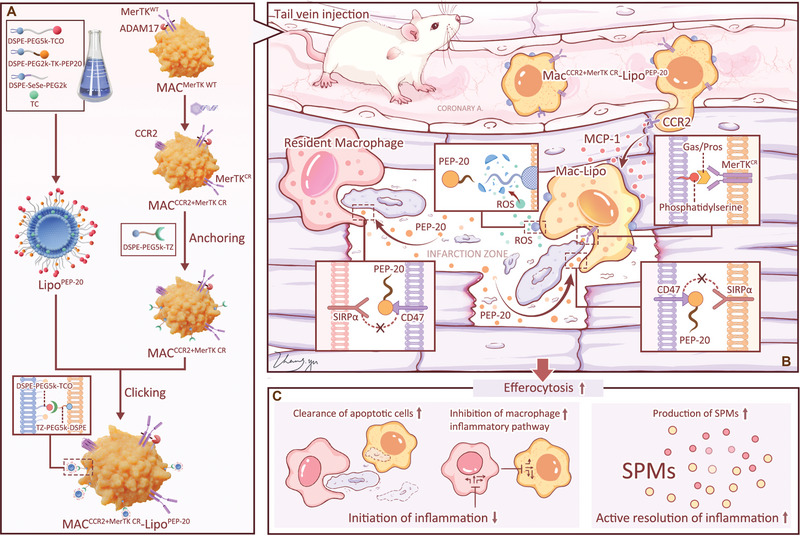
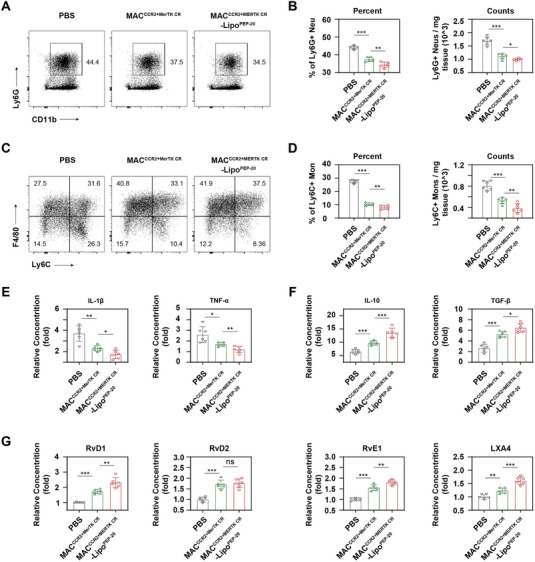
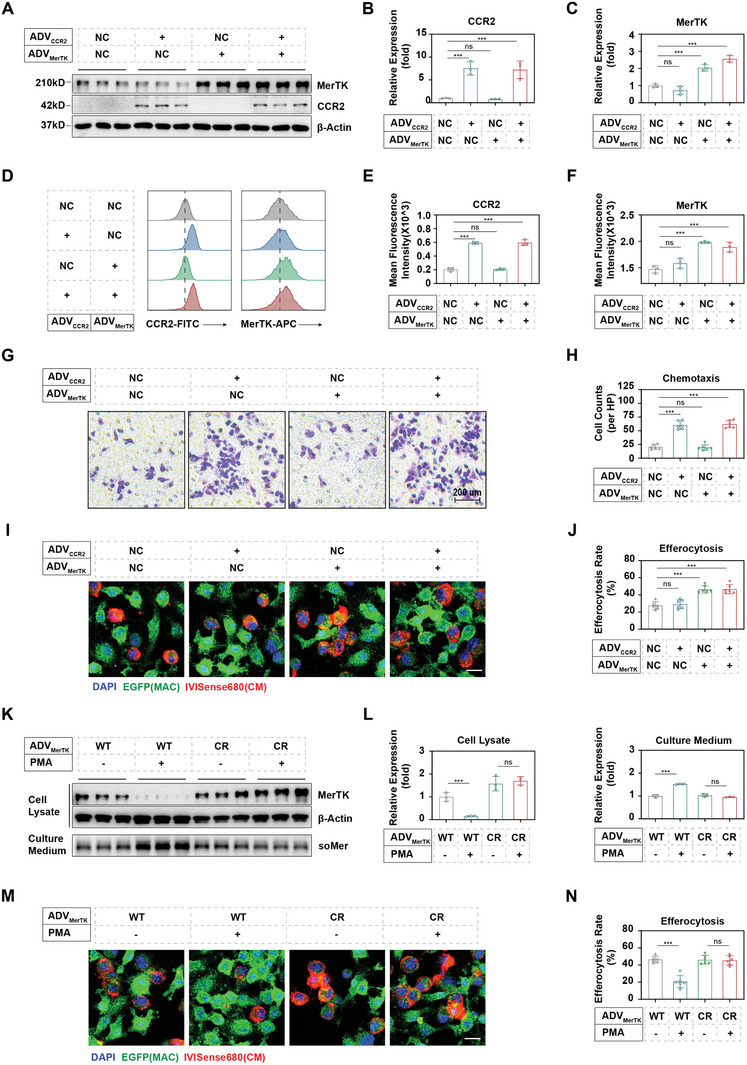
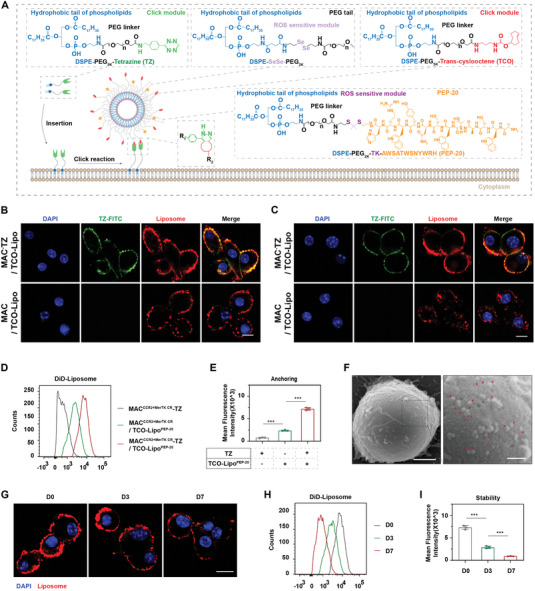
Efferocytosis, mediated by the macrophage receptor MerTK (myeloid-epithelial-reproductive tyrosine kinase), is a significant contributor to cardiac repair after myocardial ischemia-reperfusion (MI/R) injury. However, the death of resident cardiac macrophages (main effector cells), inactivation of MerTK (main effector receptor), and overexpression of "do not eat me" signals (brake signals, such as CD47), collectively lead to the impediment of efferocytosis in the post-MI/R heart. To date, therapeutic strategies targeting individual above obstacles are relatively lacking, let alone their effectiveness being limited due to constraints from the other concurrent two. Herein, inspired by the application research of chimeric antigen receptor macrophages (CAR-Ms) in solid tumors, a genetically modified macrophage-based synergistic drug delivery strategy that effectively challenging the three major barriers in an integrated manner is developed. This strategy involves the overexpression of exogenous macrophages with CCR2 (C-C chemokine receptor type 2) and cleavage-resistant MerTK, as well as surface clicking with liposomal PEP-20 (a CD47 antagonist). In MI/R mice model, this synergistic strategy can effectively restore cardiac efferocytosis after intravenous injection, thereby alleviating the inflammatory response, ultimately preserving cardiac function. This therapy focuses on inhibiting the initiation and promoting active resolution of inflammation, providing new insights for immune-regulatory therapy.
噬作用,由巨噬细胞受体 MerTK(髓样上皮细胞生殖酪氨酸激酶)介导,是心肌缺血再灌注(MI/R)损伤后心脏修复的重要贡献者。然而,驻留的心肌巨噬细胞(主要效应细胞)的死亡、MerTK 的失活(主要效应受体)以及“不要吃我”信号(制动信号,如 CD47)的过度表达,共同导致 MI/R 后心脏中的噬作用受阻。迄今为止,针对上述单个障碍的治疗策略相对缺乏,更不用说由于其他两个障碍的限制,其效果有限。在此,受嵌合抗原受体巨噬细胞(CAR-M)在实体瘤中应用研究的启发,开发了一种基于基因修饰巨噬细胞的协同药物递送策略,该策略能够有效地综合应对这三个主要障碍。该策略涉及过表达具有 CCR2(C-趋化因子受体 2)和不易断裂的 MerTK 的外源性巨噬细胞,以及用脂质体 PEP-20(CD47 拮抗剂)进行表面点击。在 MI/R 小鼠模型中,这种协同策略可有效恢复静脉注射后的心脏噬作用,从而减轻炎症反应,最终保护心脏功能。该疗法侧重于抑制炎症的启动和促进其主动解决,为免疫调节治疗提供了新的思路。